Mastering Customs Compliance in Modern Global Logistics
Saturday, August 22 2026
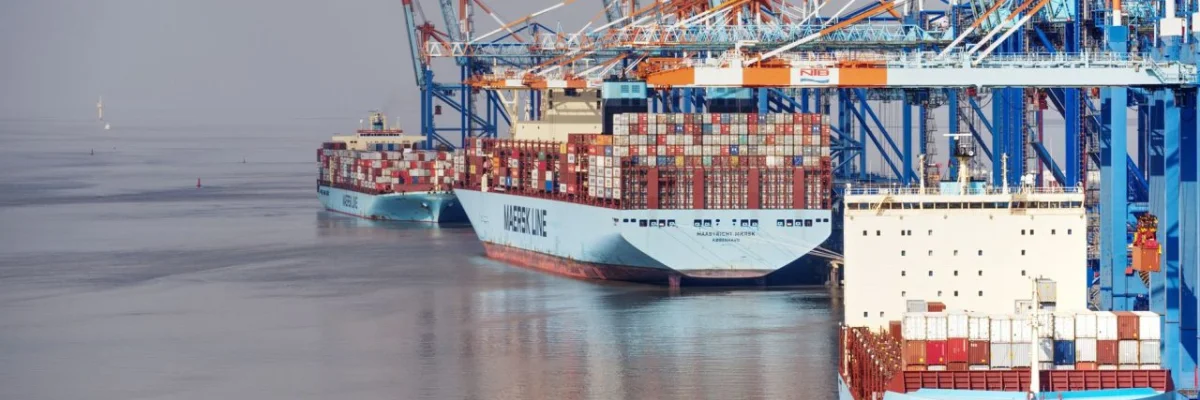
Navigating the complex landscape of international trade regulations requires constant vigilance and technological precision. As global supply chains face unprecedented scrutiny from government authorities, freight forwarders must prioritize customs compliance to avoid costly delays and severe penalties. Effective management hinges on data accuracy, proactive communication with customs brokers, and the integration of robust software solutions. By automating documentation workflows and staying informed about changing tariff classifications, forwarders can ensure that cargo moves seamlessly across borders. Embracing digital transformation is no longer optional but a fundamental requirement for maintaining operational excellence and protecting your clients against regulatory risks in today volatile market environment.
Digitizing Documentation Workflows

Transitioning from paper-based systems to digital platforms significantly minimizes the risk of manual entry errors that often lead to customs audits. Modern software captures essential data points directly from shippers, ensuring that every declaration reflects the actual physical cargo being transported internationally.
- Automated Data Validation: Digital platforms automatically flag discrepancies between shipping manifests and commercial invoices to prevent errors before submission, ensuring total consistency across all required customs clearance documentation throughout the process.
- Centralized Record Management: Cloud based systems store historical documentation in a secure location, making it easy for logistics teams to retrieve essential clearance records whenever auditors request specific historical proof.
- Standardized Filing Processes: Implementing standardized digital templates ensures that every customs entry follows the same structural rigor, reducing the likelihood of missed information or incorrect classification codes during filing.
- Real-time Status Updates: Stakeholders receive automated notifications as soon as customs authorities clear shipments, which improves transparency and allows teams to coordinate inland delivery schedules without any unnecessary operational lag.
Adopting a digitized approach transforms compliance from a burdensome administrative task into a streamlined operational advantage. By reducing reliance on manual data entry, your team can focus on resolving complex classification challenges that require human expertise. This shift not only accelerates the speed of customs release but also reinforces your professional reputation as a reliable and high performance partner in the global shipping industry.
Managing Tariff Classification Risks

Correct HS code classification is the cornerstone of regulatory compliance, yet it remains one of the most frequent sources of disputes with border authorities. Freight forwarders must ensure that goods are accurately described to determine correct duty and tax liabilities.
- Detailed Product Audits: Conducting periodic audits of client product catalogs helps identify misclassified items, ensuring that your team applies the most accurate HS codes based on current regulatory standards today.
- Supplier Data Integration: Collaborating directly with suppliers to retrieve precise product specifications allows for better classification accuracy, preventing expensive penalties associated with incorrect duty assessments or trade barrier violations.
- Centralized Regulatory Databases: Utilizing software that integrates live tariff databases ensures that your team always references the latest classification rules for every country involved in the shipping route.
- Expert Classification Support: Engaging with trade compliance specialists helps resolve ambiguous classification questions, providing your firm with a defensible position in case of any formal post entry customs inquiries.
Proactive management of tariff classifications protects your business from the significant financial impact of retroactive duty assessments and administrative fines. By establishing a culture of accuracy and leveraging advanced software tools to support your classification decisions, you create a robust barrier against regulatory volatility. This commitment to precision fosters long term trust with your clients while keeping your operational workflows running smoothly.
Securing Supply Chain Transparency
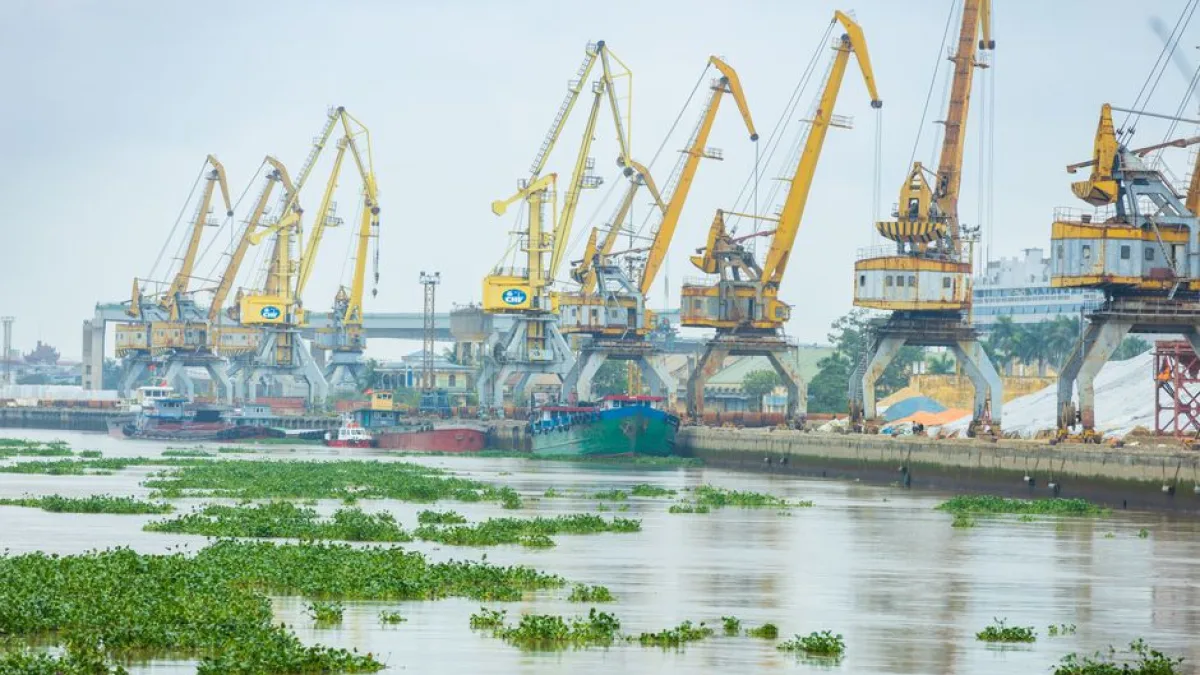
True transparency in customs compliance demands full visibility across every stage of the shipment lifecycle. Freight forwarders must be able to track every movement and documentation change to guarantee that all customs requirements are met without any unexpected surprises.
- End to End Visibility: Integrated tracking platforms provide a clear view of cargo status, enabling teams to identify potential clearance bottlenecks before they escalate into major disruptions for clients.
- Partner Collaboration Tools: Shared portals allow customs brokers, carriers, and shippers to communicate effectively, ensuring that everyone remains aligned on critical clearance requirements for complex international trade shipments.
- Automated Exception Handling: Intelligent systems detect customs holds or documentation errors immediately, alerting managers so they can take rapid corrective action to prevent extended storage fees at ports.
- Audit Trail Integrity: Maintaining a comprehensive digital trail of all communications and document changes provides essential evidence for internal audits and external regulatory reviews of logistics processes.
Enhancing supply chain transparency creates a resilient foundation for managing cross border logistics effectively. By providing your clients with clear insights and verifiable proof of compliance, you differentiate your services in a competitive market. When every party has access to accurate and timely information, the friction that typically slows down international customs processes is removed, leading to significantly faster and more reliable delivery.
Building Stronger Customs Relationships

Maintaining positive relationships with customs authorities is just as important as having the right software. Proactive communication and professional conduct can often expedite the resolution of complex issues, especially when unexpected problems arise during the standard clearance process at busy ports.
- Proactive Inquiry Responses: Responding quickly and professionally to requests for additional information from customs officials demonstrates your firm dedication to transparency and strict compliance with national trade regulations.
- Consistent Regulatory Updates: Regularly updating your internal compliance manual based on information received from customs agencies keeps your entire staff informed about the latest regional requirements and protocols.
- Training and Development: Investing in ongoing training for your staff regarding customs protocols ensures that your team remains knowledgeable about the latest legal developments in global logistics.
- Strategic Compliance Reviews: Meeting periodically with customs representatives to discuss process improvements fosters a collaborative environment that can lead to faster clearances and fewer physical inspections over time.
A professional approach to building relationships with authorities turns potentially adversarial interactions into collaborative partnerships. When you prioritize transparency and compliance education, you build credibility that carries significant weight during routine customs processes. This commitment to excellence ensures that your logistics operations remain agile and well protected, allowing you to deliver consistent results for your clients despite the evolving global regulatory landscape.
Conclusion

Mastering customs compliance is an essential discipline for every forwarder aiming for sustainable growth. By leveraging digital tools, ensuring data precision, and fostering strong professional relationships, you can navigate complex regulatory environments with confidence. Focus on continuous improvement and stay updated on international trade laws to protect your operations. Implement these strategies today to build a more resilient and compliant freight forwarding business for tomorrow.