Mastering Customs Compliance in Modern Global Logistics
Tuesday, September 15 2026
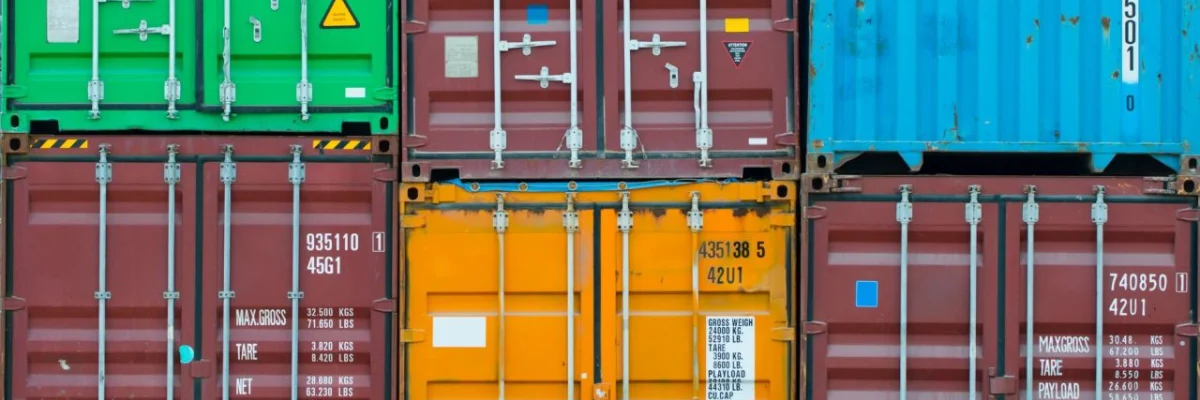
Navigating the complex landscape of international customs regulations is a fundamental challenge for today's freight forwarding professionals. As global trade policies shift and digitisation transforms border operations, staying compliant is no longer just a legal necessity but a competitive advantage. Companies that leverage smart technology to manage their documentation and tax liabilities can significantly reduce transit delays and avoid costly penalties. This guide explores the essential pillars of effective customs management, offering actionable insights for logistics providers seeking to enhance their operational accuracy and provide superior value to their global shipping partners in an increasingly regulated market.
The Role of Data Accuracy

Reliable data serves as the foundation for smooth customs processing and expedited clearance. When manifest information, HS codes, or valuation data contain errors, shipments face immediate scrutiny from authorities, leading to costly detentions and potential audits that disrupt entire supply chains.
- Precise Classification Systems: Implementing automated classification tools ensures that goods are assigned the correct Harmonized System codes, reducing the risk of misdeclaration and subsequent fines from international customs inspection agencies.
- Standardized Data Entry: Establishing strict protocols for data input eliminates common human errors that typically occur during the manual entry of complex commercial invoice and packing list information.
- Validation Before Submission: Running automated checks against regional regulatory databases allows forwarders to verify shipping data for compliance issues before the documentation reaches customs officials for final review.
- Consistent Record Keeping: Maintaining a centralized digital repository of all shipping documents ensures that your team can retrieve critical information instantly during any potential post-entry customs audit.
- Real-time Data Integration: Connecting your freight software directly with customs platforms facilitates the seamless transfer of information, minimizing the time spent manually rekeying sensitive shipment details and data.
By prioritizing the precision of every data point, forwarders can proactively address discrepancies before they become systemic problems. Technology allows teams to move beyond reactive corrections toward a model of preventative compliance. When your software acts as a guardian of data integrity, the entire shipping lifecycle becomes more predictable, saving your clients money while shielding your brokerage operations from the threat of regulatory scrutiny.
Understanding Regional Regulations

Every country maintains unique trade barriers and duty structures that require deep local knowledge to manage effectively. Staying updated on fluctuating regional requirements is essential for forwarders who handle shipments across multiple jurisdictions, ensuring compliance with diverse national import laws.
- Dynamic Regulatory Updates: Subscribing to automated alert services helps your team track changes in trade agreements or tariff structures that may impact the costs of specific shipments.
- Local Compliance Expertise: Partnering with regional specialists allows your firm to gain ground level insights into local inspection protocols, helping you prepare documentation that meets strict country-specific standards.
- Import Duty Estimation: Utilizing advanced software to calculate accurate duties and taxes based on real-time trade data prevents surprise expenses for clients and ensures proper payment processing.
- Restricted Party Screening: Running automated checks against denied party lists ensures that your shipments are not associated with sanctioned entities, protecting your business from severe legal consequences.
- Incoterms Clarity: Clearly defining shipping terms at the point of booking ensures all parties understand their specific financial responsibilities regarding duties, taxes, and terminal handling charges for imports.
Mastering regional requirements demands a combination of robust software tools and professional vigilance. When your organization integrates localized knowledge into every operational workflow, the complexity of cross-border trade becomes manageable. This strategic approach transforms potential hurdles into reliable processes, allowing you to scale your operations across new borders with confidence while maintaining the high standards expected by your demanding international client base.
Digital Transformation in Compliance

The transition from paper-heavy workflows to digital platforms has revolutionized how forwarders handle customs filings. Cloud-based software enables remote collaboration, instant document updates, and secure storage, creating a transparent ecosystem that significantly enhances overall efficiency for modern logistics management teams.
- Cloud Document Storage: Moving documentation to secure cloud systems provides your team with instant access to shipment records from any location, facilitating faster communication with global customs agents.
- Automated Workflow Triggers: Establishing automated alerts for document expirations or upcoming filing deadlines ensures that your staff never misses a critical window for submitting necessary regulatory paperwork.
- Secure File Sharing: Utilizing encrypted platforms for exchanging sensitive shipping information keeps data safe from cyber threats while providing clients with clear visibility into their shipment status.
- Audit Trail Visibility: Keeping a detailed digital record of all document modifications and submissions provides complete transparency, which is vital for maintaining compliance during internal or government.
- Software API Connectivity: Integrating your platform with government portals creates a seamless link that speeds up submission times and reduces the need for manual platform switching tasks.
Adopting a digital-first strategy is critical for staying ahead in a fast-paced logistics environment. By removing manual bottlenecks and centralizing your documentation, you empower your team to focus on high-value tasks rather than administrative drudgery. This transformation not only saves time but also builds trust with clients who value the speed and precision that modern cloud technology consistently delivers to their supply chains.
Mitigating Customs Risk Factors
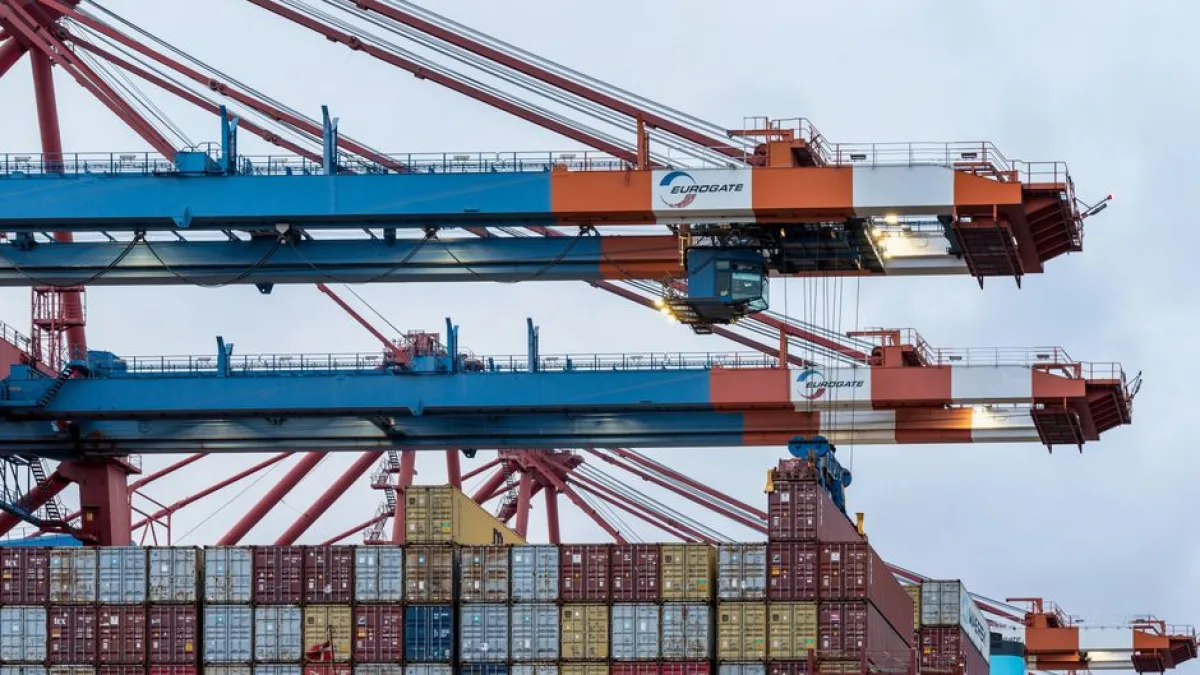
Proactive risk management is the final line of defense against the unpredictable nature of global customs. Identifying potential failure points, such as missing permits or incorrect valuations, allows forwarders to implement safeguards that protect their operations and maintain a solid reputation for excellence.
- Comprehensive Risk Audits: Conducting regular reviews of your shipping processes helps identify potential weaknesses that could lead to non-compliance, allowing you to implement corrective measures before problems arise.
- Staff Training Programs: Investing in continuous education for your employees keeps them informed about the latest changes in customs laws, reducing the likelihood of costly operational mistakes.
- Valuation Accuracy Controls: Implementing strict verification steps for declared goods values prevents the common pitfalls of under-valuation, which is a frequent target for customs inspections and heavy financial penalties.
- License Verification Checks: Automating the verification of import and export licenses ensures that every shipment is backed by the required documentation, preventing delays caused by expired or missing paperwork.
- Contingency Planning Strategies: Developing clear protocols for handling sudden customs holds or shipment rejections ensures that your team can react quickly to maintain the flow of international cargo.
Mitigating risk is about fostering a culture of accountability and continuous improvement. By anticipating common pitfalls and addressing them through standardized procedures, you shield your brokerage from avoidable disruptions. A disciplined approach to compliance does more than prevent fines; it reinforces your professional reputation and gives your clients peace of mind. Consistent vigilance is the hallmark of a truly successful global freight forwarder.
Conclusion

Achieving excellence in customs compliance requires a dedication to accurate data, localized knowledge, and innovative digital tools. By centralizing your operations within a robust software platform, you create a scalable foundation for navigating complex global regulations. Prioritize your compliance efforts today to safeguard your reputation, minimize operational delays, and drive long-term value for your international shipping clients in an increasingly competitive global marketplace.