Mastering Customs Compliance in Modern Global Logistics
Tuesday, September 22 2026
Navigating the complex landscape of international customs requirements remains a primary challenge for modern freight forwarders. As global trade policies shift and supply chain transparency becomes non negotiable, ensuring accurate compliance is essential for avoiding costly delays and legal penalties. Freight forwarders must now leverage advanced digital infrastructure to maintain real time visibility and adhere to tightening international standards. By integrating robust compliance management into daily operations, companies protect their reputations while ensuring cargo moves efficiently across borders. Success today depends on your ability to synthesize vast amounts of regulatory data into actionable workflows that minimize risk for your clients.
Automating Trade Documentation Processes

Moving away from manual paperwork towards automated systems is vital for modern freight agencies. By digitizing documents, forwarders significantly reduce the risk of human error, which is the most frequent cause of customs holds and expensive cargo processing delays.
- Automated Data Validation: Digital tools verify tariff codes and descriptions against real time customs databases to ensure that your entries are accurate before they ever reach the government authorities.
- Centralized Document Storage: Maintain a single source of truth for all shipping declarations, commercial invoices, and permits to simplify audits and ensure consistent reporting across your global teams.
- Instant Compliance Checks: Advanced software flags potential non compliance issues within your shipment details as soon as they are entered, allowing for immediate corrections before final document submission.
- Streamlined Customs Filing: Direct integration with national customs systems allows for the electronic transmission of declarations, significantly accelerating the release of goods at busy ports of entry.
Transitioning to digital workflows transforms your operational efficiency by cutting down on administrative burdens and repetitive tasks. When your team spends less time hunting for lost papers and more time focusing on strategic shipping decisions, the entire supply chain benefits. MakeCargo enables this shift by providing the necessary digital infrastructure to keep your compliance processes fast, reliable, and perfectly aligned with modern global trade regulations.
Managing Evolving Tariff Landscapes

Tariffs and trade agreements change with little warning, placing immense pressure on freight forwarders to stay informed. A proactive approach to monitoring these shifts ensures that your clients avoid unexpected costs and maintain their profit margins during volatile economic periods.
- Dynamic Duty Monitoring: Set up automated alerts that notify your team whenever tariff rates shift for specific commodities, ensuring you can adjust your shipping strategies ahead of time.
- Harmonized System Accuracy: Correct HS code classification is the foundation of duty payments, and our software helps categorize items precisely to prevent overpayment or potential regulatory fines.
- Trade Agreement Optimization: Utilize built in tools to identify applicable free trade agreements that could reduce tax burdens, providing extra value to your customers and improving service.
- Proactive Risk Mitigation: Analyze historical data to forecast potential tariff impacts, helping clients pivot their supply chains to avoid regions facing heavy trade sanctions or sudden price hikes.
Staying ahead of the tariff curve is essential for maintaining your competitive edge in the freight forwarding industry. When you provide clients with precise financial forecasts regarding duty payments, you build lasting trust and demonstrate deep market expertise. Utilizing sophisticated tools to track these economic changes allows your logistics team to turn complex regulatory threats into opportunities for cost savings and operational success.
Ensuring Supply Chain Visibility
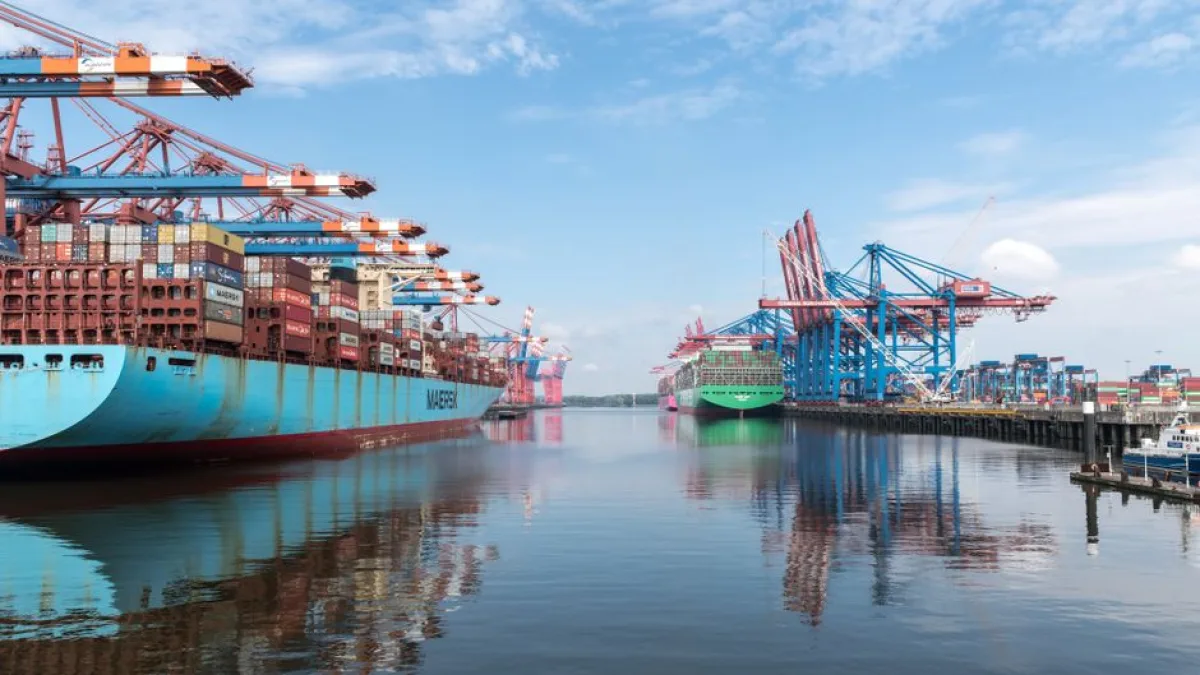
Transparency acts as the backbone of modern customs compliance efforts. Freight forwarders who track cargo movements from origin to destination gain better control over documentation requirements, allowing for smoother handovers between international carriers, customs agents, and local logistics partners worldwide.
- End to End Tracking: Gain complete oversight of your shipments through integrated portals, ensuring that every movement is documented and linked to the corresponding customs release forms.
- Real Time Milestone Updates: Receive immediate notifications for every step of the transit process, which helps in preparing necessary documentation well in advance of vessel arrival times.
- Carrier Compliance Sync: Sync your internal shipment data with carrier systems to verify that transit times and cargo handling procedures align with international trade and safety standards.
- Document Linkage Efficiency: Automatically attach electronic copies of customs clearances to shipment profiles to provide seamless access for clients and auditors during any post transit reviews.
Visibility is no longer just a luxury but a requirement for modern customs compliance strategies. By maintaining a crystal clear picture of where goods are and which documents are currently required, you drastically reduce the chance of shipments being quarantined or delayed. Investing in transparent logistics software empowers your team to act decisively, keeping your global supply chain moving steadily through every international checkpoint.
Strengthening Regulatory Audit Readiness

Preparing for an audit should be a continuous process rather than a stressful event. By maintaining organized and comprehensive records, you prove your commitment to compliance, safeguarding your operational license while establishing your agency as a professional, trustworthy leader within the global logistics sector.
- Historical Record Archiving: Maintain a secure, cloud based repository of all historical shipping declarations and customs responses for quick retrieval during mandatory regulatory review and internal audits.
- Detailed Audit Trails: Every change made to a document or shipping file is logged with a timestamp, ensuring total accountability and transparency for all internal staff actions.
- Standardized Report Generation: Generate compliance summary reports with a single click, providing authorities with the precise information needed to resolve questions without causing major workflow disruptions.
- Compliance Culture Training: Use platform insights to identify recurring errors in your documentation process, allowing you to implement targeted training programs that improve staff knowledge and output.
Audit readiness is the ultimate test of your compliance framework and operational integrity. When you maintain a rigorous, organized system for documenting your customs activities, you turn potential points of vulnerability into demonstrations of professional excellence. Consistent compliance management protects your company from legal risk while simultaneously elevating your brand's reputation as a top tier logistics partner for complex international trade clients.
Conclusion

Customs compliance is the foundation upon which every successful freight forwarding business is built. By embracing automation, tracking tariff changes, ensuring total visibility, and maintaining rigorous audit readiness, you secure your operational future. MakeCargo provides the tools you need to streamline these complex processes, helping you reduce risk and serve your clients more effectively. Start upgrading your compliance infrastructure with us today for better results.