Mastering Digital Efficiency in Freight Forwarding Operations
Monday, October 12 2026
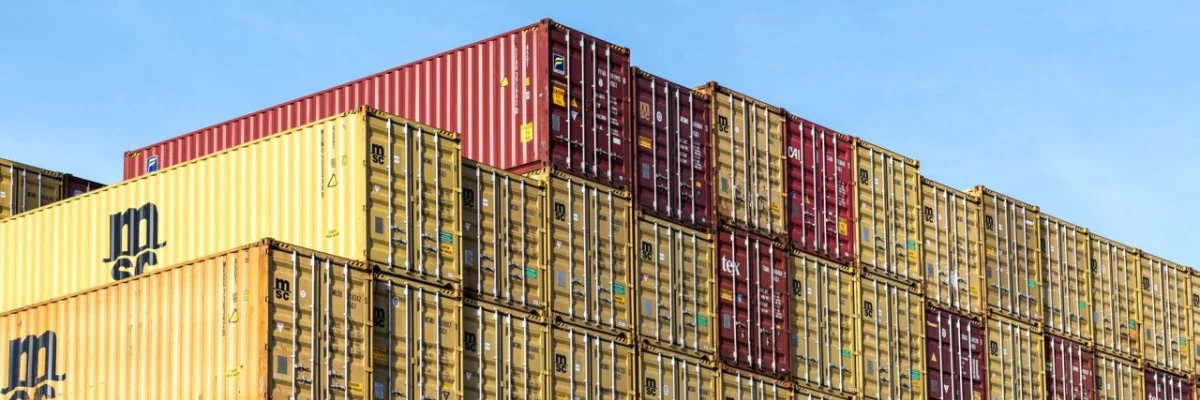
The modern logistics landscape demands unprecedented levels of precision and speed from freight forwarding professionals who operate in a hyper-competitive global market. Traditional manual workflows are increasingly becoming a bottleneck, preventing firms from scaling effectively while maintaining high service standards for their clients. By embracing cloud-based digital transformation, forwarders can reclaim lost hours and improve data accuracy across their entire supply chain. This shift towards automation is no longer a luxury but a strategic requirement for those who aim to stay relevant. Adopting the right software enables teams to focus on complex decision-making rather than repetitive administrative data entry tasks.
Automating Shipment Documentation

Documentation management often remains a major pain point, causing significant delays and manual errors during the customs clearance process. Transitioning to automated document handling reduces the risk of non-compliance and ensures that all stakeholders have access to the latest versions.
- Automated Data Entry: Cloud software extracts information from invoices and bills of lading to populate forms instantly. This significantly cuts processing time and eliminates human errors associated with manual typing.
- Centralized Document Storage: Keeping all shipment files in a secure cloud repository ensures instant access for team members. This prevents the loss of important paperwork during the transit lifecycle.
- Compliance Error Checks: Intelligent systems scan documents for missing fields or inconsistencies before submission. This proactive approach saves time and prevents potential fines from local customs authorities.
- Digital Approval Workflows: Stakeholders can review and sign documents electronically from any location. This feature accelerates the approval cycle and keeps complex shipments moving forward without unnecessary interruptions.
Implementing digital documentation tools allows freight forwarders to minimize risks and maximize productivity. By removing the burden of manual form filling, your operations team can dedicate more time to value added services. This shift not only enhances the overall customer experience but also creates a more scalable business model that can easily handle increased shipment volumes without requiring a proportional increase in administrative headcount.
Optimizing Warehouse Inventory Tracking

Real-time visibility into inventory levels is vital for maintaining an efficient supply chain and ensuring customer satisfaction. Integrating warehouse management tools within your freight forwarding platform provides actionable insights that help in preventing stockouts and optimizing storage space usage effectively.
- Real Time Visibility: Integrated scanners update inventory levels as goods move through the facility. This visibility allows teams to track every unit with precision from arrival to final departure.
- Automated Inventory Alerts: Custom notifications inform managers when stock levels reach critical thresholds. This ensures timely replenishment and prevents costly delays in the fulfillment of client orders worldwide.
- Optimized Space Utilization: Smart algorithms suggest the most efficient storage locations based on movement frequency. This systematic approach saves time during picking and packing processes for your staff.
- Comprehensive Reporting Tools: Detailed analytics dashboards provide clear insights into warehouse performance and throughput metrics. These data points empower managers to make informed decisions regarding operational budget allocations.
Accurate inventory tracking acts as the backbone of successful freight operations and service delivery. When you integrate these tracking capabilities into your wider software ecosystem, you bridge the gap between storage and transit. This holistic visibility ensures that your logistics partners are always informed and that end users receive their cargo on time, ultimately building deeper trust and long term professional reliability.
Enhancing Carrier Communication Channels

Communication breakdowns between forwarders and carriers often lead to avoidable misunderstandings and operational failures. Establishing a standardized digital communication channel ensures that all updates regarding transit times or delays are shared promptly with every relevant stakeholder involved in the move.
- Unified Messaging Hubs: Centralized communication platforms consolidate emails and chats within the shipment record. This keeps history organized and ensures that no critical updates are ever missed again.
- Automated Status Updates: Software triggers notifications for carriers to provide regular transit milestones automatically. These timely updates keep your customers informed without requiring manual status inquiry requests.
- Instant Collaboration Tools: Shared digital work spaces allow carriers and forwarders to resolve issues in real time. This rapid problem solving prevents small errors from becoming significant logistics headaches.
- Structured Data Exchange: Standardized messaging formats ensure that carrier updates integrate directly into your operations dashboard. This seamless flow of information drives efficiency and improves total data reliability.
Refining your communication strategy is essential for building a resilient logistics network that can withstand unforeseen disruptions. By leveraging digital platforms to streamline interactions with carriers, you create a transparent environment where information flows without friction. This clarity reduces stress on your operations team and strengthens professional relationships with partners, paving the way for more efficient cooperation throughout the entire global supply chain.
Leveraging Advanced Data Analytics

Data is the most valuable asset in modern logistics but remains underutilized by those stuck in legacy systems. Utilizing advanced analytics allows freight forwarders to identify performance trends and make data-driven adjustments that improve overall profitability and operational service quality metrics.
- Trend Identification Metrics: Analytics tools highlight recurring shipment delays or inefficient routes across your network. This allows you to identify problems early and implement permanent solutions for customers.
- Profitability Analysis Reports: Software calculates profit margins for each shipment by factoring in all associated costs. This intelligence helps you negotiate better rates with your service partners.
- Customized Dashboard Views: Personalized reporting interfaces show the key performance indicators that matter most to your business. You can track team productivity and customer satisfaction in seconds.
- Predictive Modeling Capabilities: Advanced systems forecast future demand based on historical shipment data and seasonal patterns. This proactive preparation ensures you have the necessary capacity ready beforehand.
Translating raw shipment data into actionable strategy separates the industry leaders from the competition. When you move beyond simple spreadsheets to professional analytics, you gain a clear view of your operational health. These insights provide the foundation for smarter growth, allowing you to optimize costs and focus your resources where they generate the most significant impact for your business and clients.
Conclusion
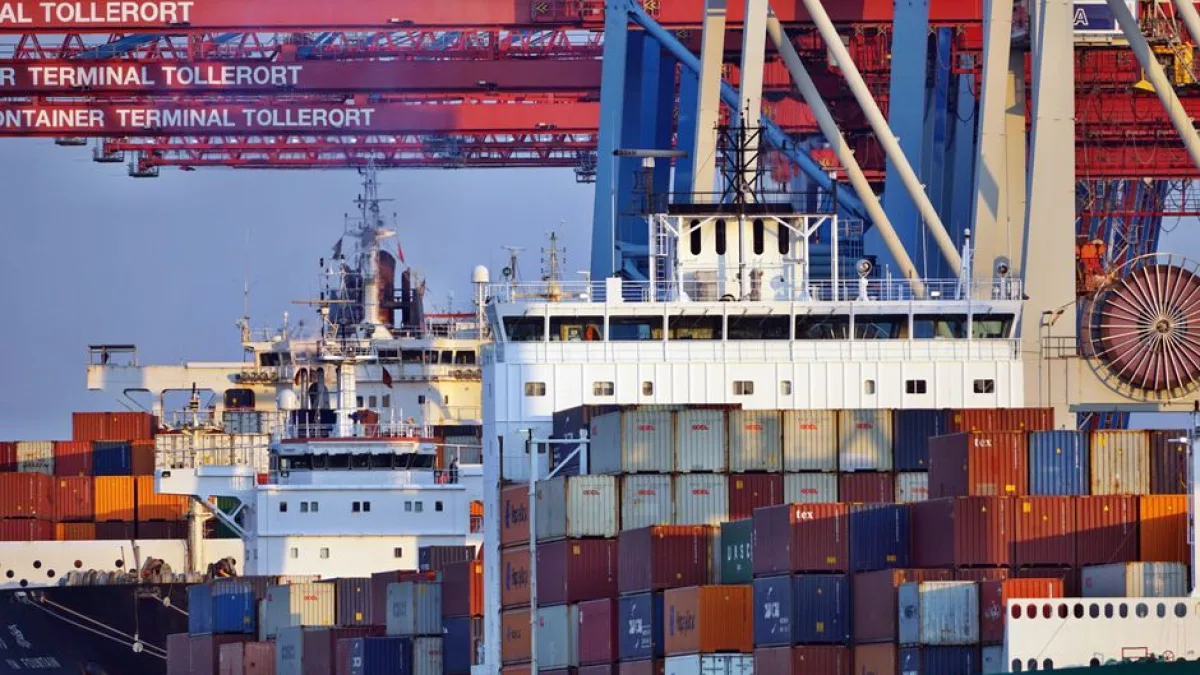
Modernizing your freight operations requires a commitment to digital tools that enhance efficiency, transparency, and data accuracy. By automating documentation, tracking inventory, streamlining communication, and utilizing advanced analytics, you position your firm for sustainable growth in a complex global market. Start integrating these professional technologies today to simplify your daily workflows, reduce human errors, and provide superior logistics services to all your valued customers.