Mastering Digital Efficiency in Modern Freight Forwarding Operations
Monday, August 3 2026
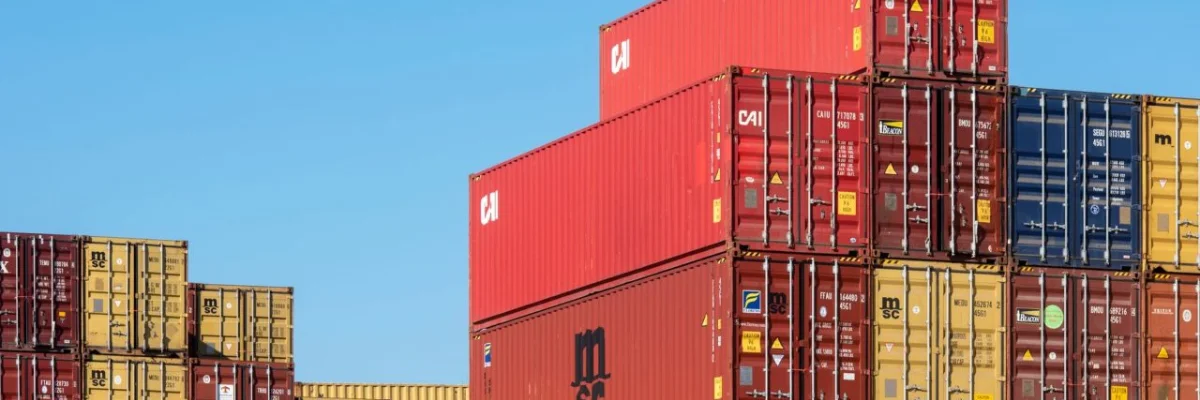
Freight forwarding is undergoing a profound transformation driven by rapid technological advancement and increasing market demands for transparency. As global supply chains grow more complex, professionals must leverage advanced digital tools to maintain a competitive edge. Modern platforms like MakeCargo enable teams to transition from manual, error-prone workflows to automated, data-driven systems. By centralizing operations, companies can enhance communication, reduce overhead costs, and provide superior service levels to their clients. Embracing this digital shift is no longer optional for firms aiming to thrive in the competitive logistics landscape of today and tomorrow.
Optimizing Shipment Tracking Protocols
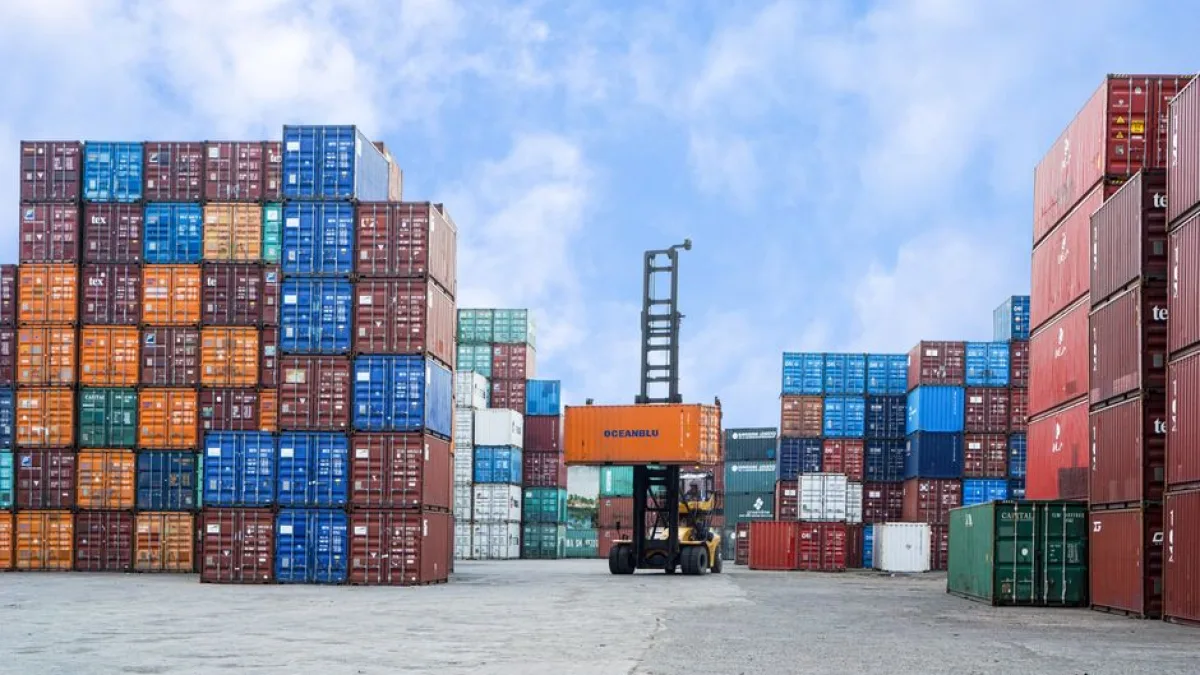
Real-time visibility acts as the backbone of modern freight operations, allowing forwarders to proactively address delays. By integrating tracking data into a central platform, teams gain immediate clarity on transit progress, ensuring that stakeholders receive timely updates throughout the entire shipping journey.
- Automated status updates: Real-time status notifications eliminate manual check-ins for customers by providing instant updates on their shipments throughout every crucial milestone of the global transit process cycle.
- Reduced manual queries: Digital tracking portals empower clients to access shipment information independently, significantly decreasing the volume of time-consuming phone calls and email inquiries for your staff.
- Data accuracy improvements: Integrating carrier APIs directly into your software ensures that status changes are reflected instantly without the risk of human error during manual data entry tasks.
- Proactive exception management: Advanced tracking systems alert your operations team to potential bottlenecks immediately, allowing them to implement contingency plans before minor issues become major service delays.
Adopting automated tracking solutions transforms your operational capacity by removing administrative burdens from your logistics team. When staff members spend less time tracking down shipments, they focus more on high-value client relationships and business development. This shift in focus drives higher customer satisfaction rates while simultaneously allowing your agency to scale operations without increasing the underlying costs associated with traditional manual tracking methods.
Streamlining Documentation and Compliance

Managing global trade documentation requires precision and strict adherence to international standards to avoid costly border delays. Digital document management systems simplify the creation, storage, and retrieval of essential shipping papers while ensuring that all regulatory requirements are met.
- Cloud document storage: Keeping all shipment documentation in a centralized cloud database ensures that your entire team can access critical files from any location at any time.
- Standardized document templates: Utilizing pre-built templates for bills of lading and commercial invoices reduces the time spent drafting forms while minimizing the risk of costly clerical errors.
- Automated compliance checks: Intelligent software platforms automatically flag missing or incorrect information, ensuring that your documentation remains fully compliant with international trade laws and regional customs regulations.
- Secure document sharing: Encrypted sharing features allow you to transmit sensitive shipping documents to carriers and clients securely, protecting your organization from potential data breaches and leaks.
Efficient document handling is the cornerstone of a smooth customs clearance process. By digitizing every aspect of your paperwork flow, you ensure that your team stays ahead of regulatory requirements and keeps goods moving across borders without friction. This level of organization builds trust with your clients, who depend on your ability to navigate the complexities of global trade with absolute professional precision.
Enhancing Communication Across Teams

Effective collaboration between internal departments and external partners is vital for maintaining high performance in freight operations. Digital communication tools bridge the gap between stakeholders by providing a single source of truth for all project discussions and updates.
- Centralized conversation logs: Keeping all communication within the relevant shipment file ensures that every team member has full visibility into the history of specific cargo movements.
- Instant internal messaging: Real-time chat functionality allows team members to resolve operational queries instantly, preventing small issues from becoming significant bottlenecks during the busy shipping season.
- Integrated external portals: Secure portals allow you to communicate directly with carriers and agents, keeping all parties aligned on requirements and expectations for each specific shipment.
- Task management integration: Assigning tasks within a shared platform keeps project owners accountable and ensures that no operational detail is overlooked during the shipping cycle.
Clear communication is the heartbeat of a successful freight forwarding operation. By eliminating fragmented emails and scattered notes, you create a cohesive environment where information flows freely and accurately. This unified approach not only reduces the risk of misinterpretation but also fosters a culture of accountability and excellence, which ultimately benefits your clients who expect reliability and speed from their logistics partners.
Leveraging Analytics for Performance

Data analytics provide freight forwarders with actionable insights to optimize routes, carriers, and profitability. By reviewing historical performance data, companies can make informed decisions that improve their bottom line while optimizing their logistics strategy for long-term growth and success.
- Carrier performance analysis: Evaluating carrier transit times and reliability through historical data helps you select the most efficient partners for specific lanes and cargo type requirements.
- Cost optimization reports: Identifying spending patterns across your operations allows you to negotiate better rates with vendors and optimize your margins on every single customer shipment.
- Predictive trend forecasting: Analyzing seasonal volume trends helps you better prepare for periods of high demand, ensuring your resources are allocated appropriately to maintain service quality.
- Customized client dashboards: Offering clients high-level performance metrics builds immense value, demonstrating your commitment to their growth through transparent and data-backed logistical decision-making processes and reporting.
Data-driven decision making is the ultimate differentiator in the modern freight industry. By moving away from gut-feel decisions toward analytical strategies, forwarders can uncover new efficiencies and growth opportunities that were previously hidden. When you rely on concrete insights to guide your operations, you ensure that your business remains agile, profitable, and ready to meet the evolving needs of the global market.
Conclusion

Digital transformation remains the most critical investment for freight forwarders looking to remain relevant in a tech-first industry. By automating operations and leveraging data, your firm will achieve unprecedented levels of efficiency and client satisfaction. Start optimizing your freight workflows today by embracing modern cloud-based solutions tailored to your specific logistics needs. Excellence in operations begins with the right platform supporting your team.