Mastering Digital Efficiency in Modern Freight Operations
Saturday, September 5 2026
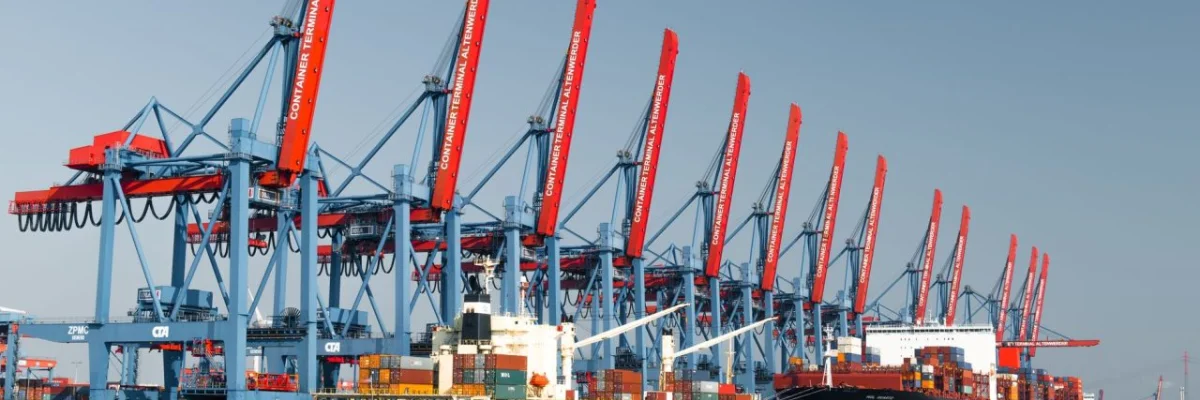
Modern freight forwarding is undergoing a rapid digital transformation as traditional manual processes give way to high speed automated workflows. Logistics providers now face the dual challenge of managing complex supply chain disruptions while meeting rising customer demands for real time shipment visibility and transparent communication. To maintain a competitive edge in this crowded market, firms must prioritize the integration of cloud based technology to replace fragmented systems. By centralizing operations and standardizing data across global teams, companies can effectively minimize errors and significantly improve their operational agility while navigating the intricate logistics landscape of the twenty first century.
Optimizing Shipment Tracking Systems

Real time shipment visibility represents the gold standard for contemporary logistics providers seeking to build trust with their clients. By replacing manual status updates with automated digital tracking tools, companies can proactively address potential delays and provide accurate delivery timelines for all stakeholders involved in the shipment lifecycle.
- Automated status updates: Automated notifications keep customers informed about their cargo location without requiring manual input from staff, which reduces administrative workload and improves client satisfaction ratings for every booking.
- Proactive delay management: Early identification of transit bottlenecks allows operations teams to adjust routing strategies before minor issues escalate into major service failures that affect your bottom line results.
- Transparent data sharing: Providing clients with secure portals for self service tracking builds confidence and reduces the number of incoming emails and phone calls regarding routine cargo status inquiries.
- Integrated carrier APIs: Connecting your internal software directly to carrier systems ensures that information flows seamlessly across platforms, providing a single source of truth for your entire organization.
Adopting sophisticated tracking software transforms how freight forwarders handle day to day operations. Instead of spending hours digging through emails, your team can focus on solving complex logistical challenges. This shift not only improves productivity but also creates a scalable framework for your business to handle larger shipment volumes as you grow. Start centralizing your tracking data today to maximize your long term performance.
Automating Documentation and Compliance

Global trade requires managing massive amounts of documentation, from bills of lading to complex customs declarations. Automation allows forwarders to generate, store, and validate these critical documents instantly, drastically reducing the risk of human error and regulatory penalties during the clearing process.
- Standardized document templates: Utilizing pre built templates for common shipping documents ensures consistency across your documentation process while saving significant time during the preparation of complex export paperwork files.
- Digital signature integration: Implementing electronic signature solutions allows for faster approval cycles on sensitive legal documents, eliminating the need for physical courier services or time consuming paper document handling.
- Automated customs filing: Direct integration with government customs platforms facilitates faster clearance times by ensuring that all submitted data meets the necessary regulatory requirements without manual data re-entry.
- Secure cloud storage: Centralized digital archives keep all sensitive documentation organized and accessible, providing audit trails that simplify compliance checks and protect your business against potential legal risks.
Streamlined documentation processes are essential for maintaining professional standards and operational speed. By removing repetitive manual entry tasks, you empower your staff to focus on high value activities like account management and strategic planning. Investing in robust document management features is a fundamental step toward building a resilient business that can navigate the demanding regulatory requirements of global international trade markets.
Enhancing Communication and Collaboration

Effective collaboration between your internal teams, overseas agents, and local partners is critical for seamless freight operations. Breaking down information silos through centralized digital communication tools ensures that everyone works from the same data set, preventing misunderstandings and ensuring that project timelines remain on track.
- Centralized chat channels: Dedicated messaging platforms for each shipment allow teams to discuss details in one place, preventing important information from being lost in long and confusing email.
- Task management integration: Linking communication directly to specific tasks ensures that every team member knows their responsibilities, reducing overlaps and ensuring that no critical milestones are ever missed.
- Partner portal access: Giving your overseas agents access to your platform allows for instant file sharing and status updates, which minimizes coordination friction and speeds up operations.
- Notification management settings: Customizing alerts for specific team members ensures that people only receive information relevant to their roles, keeping the team focused and reducing unnecessary digital clutter.
Clear communication serves as the backbone of successful freight management operations across the globe. By using a single digital interface for all interactions, your team can resolve conflicts faster and provide a more cohesive experience for your customers. Establishing these efficient communication routines now will help your company build stronger relationships with partners and clients, leading to greater long term business stability.
Leveraging Data for Strategic Decisions

In the age of information, the ability to analyze your performance metrics is a significant competitive advantage. Freight forwarders who track key performance indicators through integrated analytics dashboards can identify trends, optimize pricing strategies, and make informed decisions that improve their overall operational profitability and efficiency.
- Real time performance monitoring: Dashboards provide an instant view of key metrics such as transit times and carrier reliability, allowing you to identify underperforming routes and implement improvements quickly.
- Cost analysis reporting: Detailed financial reports highlight your most profitable trade lanes and services, enabling your team to focus marketing efforts on the most lucrative market opportunities.
- Trend prediction capabilities: Historical data analysis helps you anticipate seasonal demand surges, allowing for better resource allocation and smarter inventory planning for your customers throughout the entire year.
- Custom report generation: Tailoring reports to your specific business needs allows management to track exactly what matters, facilitating faster decision making based on hard facts rather than guesswork.
Data driven management changes how forwarders interact with the market by providing clarity in complex situations. Instead of relying on gut feelings, you can now use objective metrics to guide your strategy. By continuously reviewing these insights, you ensure that your operations remain aligned with your business goals, ultimately driving higher profitability and fostering a culture of continuous improvement across your organization.
Conclusion

Digital transformation is no longer optional for freight forwarders aiming to succeed in an evolving global market. By integrating tracking, documentation, communication, and analytics, you create a robust infrastructure that supports growth and operational excellence. Start your journey toward full digital integration today by exploring MakeCargo features designed to simplify your workflow. Optimize your operations now to ensure long term success in the logistics industry.