Mastering Digital Efficiency in Modern Freight Operations
Wednesday, September 16 2026
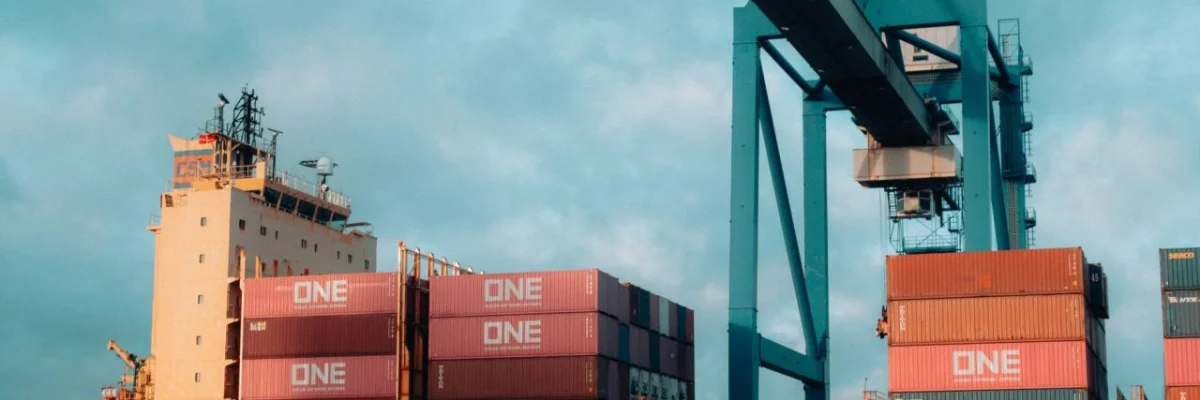
Freight forwarding is currently undergoing a radical transformation as global supply chains demand unprecedented speed and transparency from logistics providers. Navigating these complexities requires more than traditional manual processes; it demands a shift toward integrated digital ecosystems that eliminate data silos and human error. By embracing modern technology, forwarders can reclaim time spent on repetitive tasks and focus on delivering high-value strategic consulting to their clients. This guide explores the essential operational pillars that define successful digital freight forwarders, providing you with a clear roadmap to optimize your internal workflows and boost overall profitability in a competitive market.
Optimizing Data Management

Centralizing your shipment data is the foundational step in modernizing your operations. When information flows seamlessly between stakeholders, you eliminate the constant need for manual status updates and reduce the heavy administrative burden on your coordination teams.
- Centralized Shipment Visibility: Consolidate every tracking update and document iteration within a single cloud-based dashboard to ensure that every team member accesses the most accurate information in real-time.
- Automated Data Entry: Implement smart scanning tools to extract essential details from incoming emails and carrier documents, reducing human input errors and accelerating the entire booking process workflow.
- Real-time Stakeholder Updates: Provide automated notifications to your clients and partners, which significantly minimizes time spent on routine status inquiries and improves overall customer satisfaction and trust levels.
- Secure Cloud Storage: Maintain a robust and encrypted digital repository for all shipping documents, ensuring compliance with international trade regulations while keeping sensitive records accessible from anywhere globally.
Transitioning to a unified data management system transforms your daily operations from reactive firefighting into proactive management. By streamlining how information is captured, stored, and shared, your team gains the ability to identify potential bottlenecks before they affect delivery schedules. This shift not only improves your operational speed but also builds a resilient foundation for scaling your logistics business during peak demand periods.
Automating Financial Workflows

Manual invoicing processes are among the most significant drains on a freight forwarder's resources. By adopting automated billing solutions, companies can accelerate their cash cycles, reduce reconciliation errors, and improve their financial transparency with both vendors and end clients.
- Seamless Invoice Generation: Automatically generate accurate invoices based on predefined service rates and actual shipment data to ensure that billing cycles remain consistent and free from errors.
- Streamlined Payment Reconciliation: Connect your accounting software with your operational platform to automatically match incoming payments with outstanding invoices, saving hours of manual financial administrative work each week.
- Real-time Cost Auditing: Track vendor costs and compare them against estimated rates instantly to identify discrepancies, ensuring your margins remain protected throughout the entire life of the shipment.
- Digital Payment Integration: Offer multiple secure payment gateways to your global clients, facilitating faster settlements and improving your overall cash flow efficiency in various international currencies.
Automating your financial processes is essential for maintaining a healthy bottom line in the modern freight industry. By removing the tedious manual labor involved in billing and reconciliation, you allow your finance team to focus on strategic planning rather than data entry. This investment in automation technology directly contributes to better profit margins and a more stable financial future for your firm.
Enhancing Carrier Collaboration
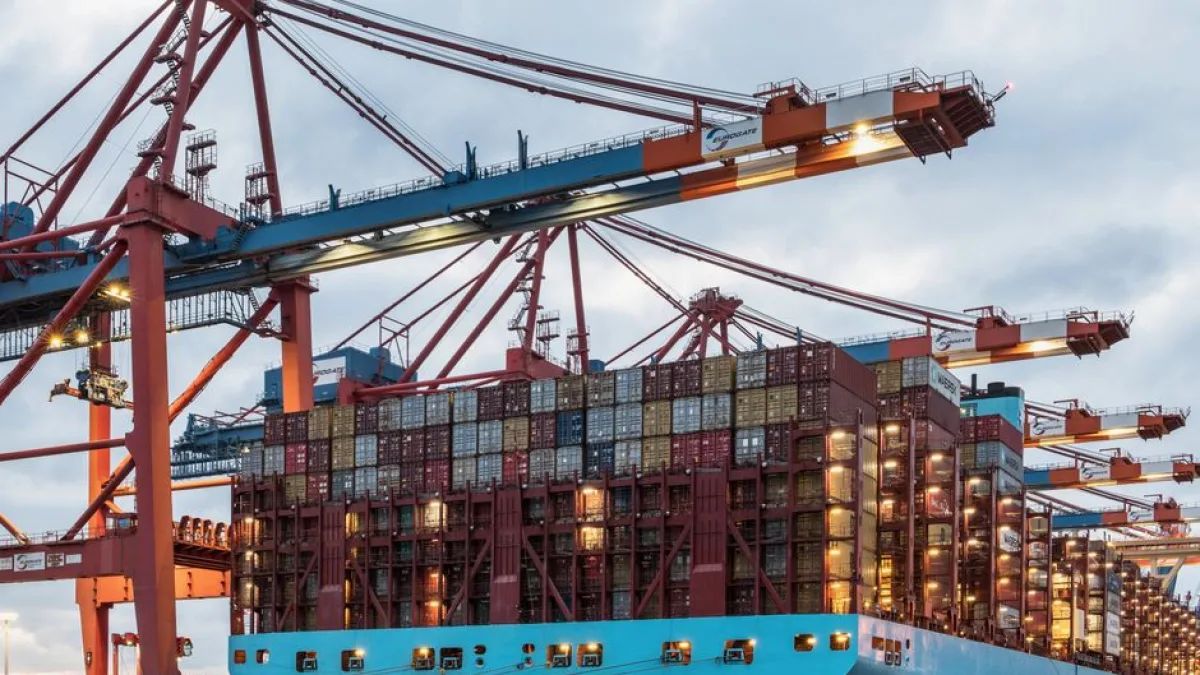
Strong relationships with carriers are critical, yet managing these partnerships through scattered emails often leads to missed opportunities. Digital platforms enable transparent collaboration, allowing you to secure better rates and prioritize your cargo when space becomes constrained at busy ports.
- Digital Rate Management: Organize all carrier quotes and service contracts within a searchable database to quickly compare options and secure the best possible rates for your clients.
- Collaborative Booking Portals: Enable direct booking workflows through integrated portals that communicate your specific cargo requirements to carriers, reducing the back-and-forth communication that slows down scheduling.
- Performance Metric Tracking: Monitor carrier reliability and transit times through automated reports, which helps you make informed decisions when selecting partners for critical shipping lanes and client deadlines.
- Unified Communication Channels: Use dedicated messaging threads linked directly to specific shipment files to keep all carrier discussions organized, searchable, and fully transparent for your internal team.
Fostering digital-first partnerships with carriers simplifies the complexities of global logistics significantly. When both parties operate from a shared digital workspace, misunderstandings decrease and operational speed increases. By leveraging these modern communication tools, your forwarding business can secure more reliable service levels, providing your clients with the consistent results they demand in today's unpredictable and fast-paced global trade environment.
Scaling Through Cloud Infrastructure

Moving your operations to a cloud-based platform is no longer optional for firms looking to scale. A cloud infrastructure offers the flexibility to expand your services across new regions and branches without the heavy overhead associated with traditional on-premise hardware systems.
- Remote Operational Access: Empower your team to manage complex freight operations from anywhere in the world, ensuring that your business remains functional during disruptions and flexible for remote talent.
- Scalable Resource Allocation: Adjust your software capabilities to meet seasonal demand spikes without needing to invest in permanent physical infrastructure or expensive IT upgrades for your local office.
- Integrated API Connectivity: Leverage open API connections to sync your operations with customs systems and third-party logistics tools, creating a truly connected end-to-end global supply chain network.
- Enhanced Data Security: Rely on enterprise-grade cloud security protocols to protect your sensitive trade data, ensuring that your client information remains safe from emerging digital threats and vulnerabilities.
Embracing a cloud-native approach provides the agility needed to outpace competitors in the logistics sector. By breaking free from rigid legacy systems, you gain the freedom to innovate your service offerings and respond rapidly to global market changes. This scalable foundation ensures that your freight forwarding operations remain robust, secure, and ready to handle growth opportunities as they arise in the future.
Conclusion

Optimizing freight operations requires a deliberate commitment to digital innovation and process refinement. By centralizing data, automating finances, improving collaboration, and leveraging the cloud, you position your firm for long-term success. Start assessing your current operational bottlenecks today to determine which area of your workflow could benefit most from a digital upgrade. Implementing these changes will drive efficiency, growth, and customer loyalty.