Mastering Digital Efficiency in Modern Freight Operations
Monday, October 26 2026

The global logistics landscape is undergoing a massive transformation as freight forwarders move away from manual processing toward integrated cloud platforms. Modern companies must navigate complex international regulations while meeting client demands for real-time visibility and accurate documentation. By leveraging automated tools, freight operations managers can eliminate bottlenecks that traditionally plague cross-border trade. Successful firms prioritize data integrity and seamless communication to maintain a competitive advantage in an increasingly volatile market. Transitioning to a digital-first approach is no longer optional for businesses that aim to scale their operations effectively while maintaining high standards of service and operational excellence across their entire supply chain network.
Optimizing Shipment Documentation Workflows

Efficient documentation management is the backbone of any successful freight operation. By centralizing digital files, logistics providers reduce the risk of human error, ensure compliance with customs requirements, and accelerate the approval process for international cargo clearances and transit mandates.
- Automated Data Entry: Implement intelligent software tools that extract information from invoices and packing lists to populate systems automatically, significantly reducing the time spent on repetitive manual data input tasks.
- Centralized Document Storage: Maintain a single source of truth by hosting all shipment related files in a secure cloud environment, ensuring that your team can access vital information instantly.
- Standardized Filing Protocols: Establish consistent naming conventions and folder structures across your organization to improve document retrieval times and prevent important paperwork from becoming lost in email threads.
- Regulatory Compliance Integration: Utilize digital platforms that automatically update to reflect the latest customs requirements, helping your team avoid costly delays caused by incorrect or outdated shipping declarations.
Transforming your document handling process is a critical step toward achieving operational maturity. By removing manual touchpoints, your staff can focus their expertise on high-level problem solving rather than chasing down physical files. This strategic shift not only reduces operational overhead but also creates a more reliable experience for your clients, leading to stronger relationships and increased retention rates in the long term.
Enhancing Real Time Cargo Visibility
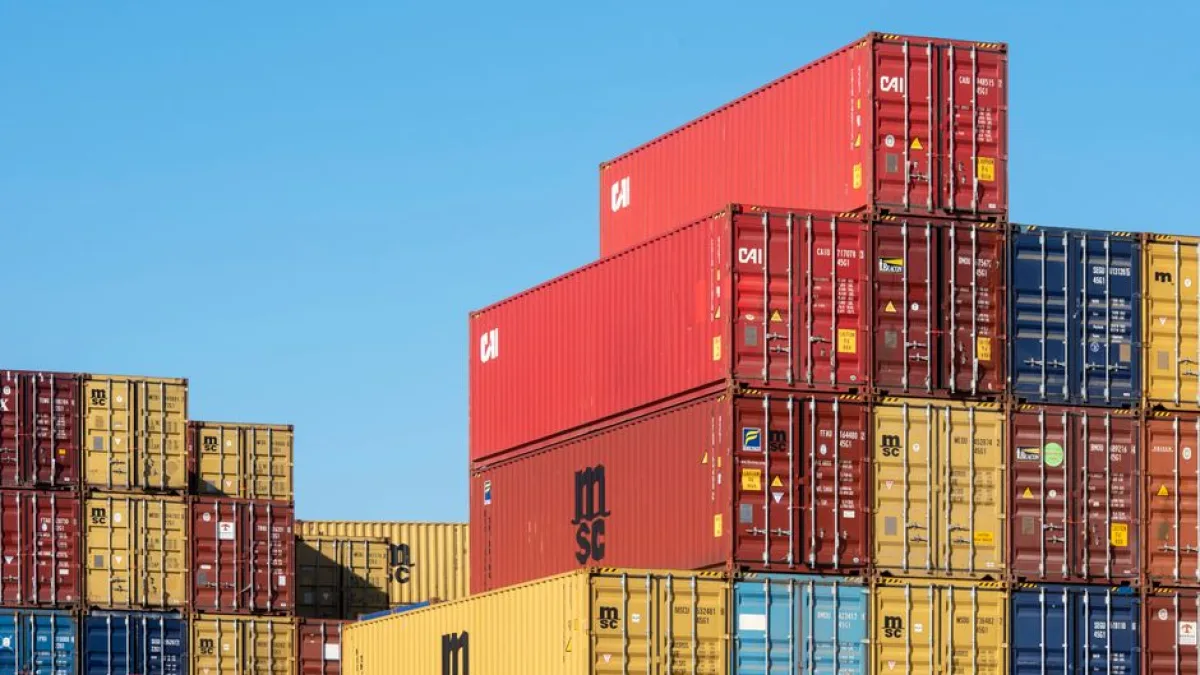
Providing customers with transparent shipment updates is a non-negotiable requirement in modern logistics. Advanced tracking solutions integrated into your freight management software allow for proactive communication and immediate responses to potential disruptions during the transit phase of global delivery.
- Live Status Updates: Integrate your operating system with carrier APIs to provide clients with automatic notifications whenever their freight reaches a major milestone or experiences a status change.
- Interactive Dashboard Views: Offer your customers a self-service portal where they can view the current location and estimated time of arrival for their cargo without requiring manual support.
- Proactive Exception Alerts: Configure your software to send immediate notifications to your operations team the moment a shipment deviates from its planned schedule, allowing for rapid corrective action.
- Data Driven Insights: Analyze historical tracking information to identify trends in carrier performance, helping your logistics team choose more reliable partners for future transport requests and project assignments.
Visibility serves as the primary currency of trust in the freight forwarding industry. When clients have access to accurate information regarding their goods, their anxiety levels drop significantly, allowing you to focus on strategy rather than crisis management. Embracing technology that promotes transparency enables your team to stay ahead of challenges, effectively turning potential supply chain disruptions into manageable events that do not compromise delivery.
Scaling Operations Through Automated Workflows

Scaling a freight business requires robust systems that can handle increasing shipment volumes without proportional increases in staffing levels. Automation bridges the gap between limited human resources and high-demand operational requirements, ensuring long-term profitability and consistent service quality.
- Automated Task Assignment: Configure your platform to automatically distribute new shipment orders to specific team members based on their availability, experience level, and current workload capacity.
- Workflow Trigger Points: Set up software triggers that alert managers when specific thresholds are met, such as a missing document or a pending payment, ensuring nothing slips through cracks.
- Customizable Reporting Tools: Generate automated reports on performance metrics and profit margins, providing management with the data needed to make informed decisions about growth and resource allocation.
- Integrated Communication Channels: Streamline collaboration by using internal messaging tools linked directly to individual shipment files, ensuring that all stakeholders stay updated within a unified project context.
Scaling efficiently requires a firm commitment to process refinement and technological adoption. By automating recurring administrative tasks, you empower your logistics experts to manage larger account volumes without sacrificing attention to detail. This foundation of scalable technology ensures that your company can pursue aggressive growth targets, maintain high quality service levels, and adapt quickly to shifting market dynamics or seasonal fluctuations in demand.
Building Stronger Partner Relationships

Freight operations rely heavily on collaborative networks including carriers, customs brokers, and agents. Digitizing your communication with these external partners fosters stronger alliances, reduces misunderstandings, and creates a more cohesive supply chain environment that benefits all parties involved in trade.
- Unified Partner Portals: Create dedicated access points for your carriers and agents, allowing them to upload documents or update shipment statuses directly into your management software system.
- Digital Rate Management: Use software to request, compare, and accept quotes from various carriers in one place, ensuring you get the best pricing while maintaining partner loyalty.
- Automated Payment Processing: Simplify financial settlements with your partners by using integrated billing tools that automatically reconcile costs and initiate payments based on verified shipment data.
- Collaborative Performance Reviews: Share objective data with your logistics partners to discuss opportunities for improvement, fostering a culture of mutual growth and continuous refinement of service quality.
Strong relationships are built on a foundation of clear communication and shared success. By providing your partners with efficient digital tools, you remove friction from the collaboration process and build a more resilient network. This cooperative approach not only simplifies your daily freight operations but also positions your company as a preferred partner for carriers, ultimately securing better service and more competitive rates.
Conclusion

Adopting advanced freight software is essential for firms that seek to remain relevant in a competitive market. By optimizing documentation, increasing visibility, scaling workflows, and strengthening partner connections, you create a sustainable operational model that drives growth. Focus on integrating these digital solutions today to simplify your complex logistics tasks, enhance client satisfaction, and secure your place as a leader in modern global freight management.