Mastering Digital Efficiency in Modern Freight Forwarding Operations
Thursday, August 20 2026
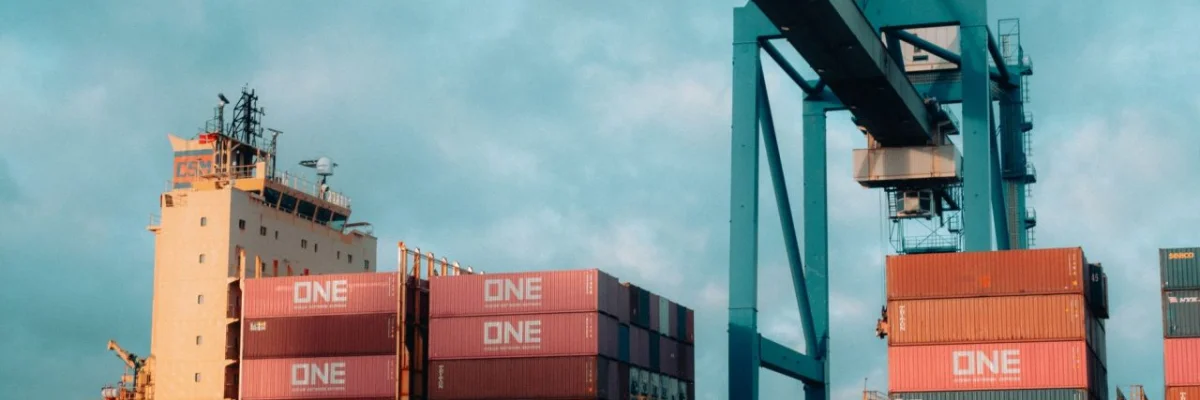
Modern freight forwarding is undergoing a rapid digital transformation that demands agility and precision from logistics professionals worldwide. As global supply chains grow increasingly complex, the reliance on manual spreadsheets and disconnected communication channels becomes a significant liability for growing agencies. By embracing cloud-based automation, forwarders can reclaim valuable time, reduce costly human errors, and provide superior transparency to their clients. This shift is not just about keeping pace with competitors but about fundamentally restructuring how your team handles cargo documentation, carrier coordination, and overall workflow management to ensure long-term scalability and operational success.
Automating Documentation Processes

Digital transformation begins by eliminating the tedious manual entry of shipping documents. Automating paperwork allows your team to focus on strategic decision-making rather than repetitive data validation tasks that often lead to delays and significant financial losses during transit.
- Seamless Data Sync: Automatically extract relevant information from invoices and packing lists to populate your system, ensuring that every shipment detail is accurate without requiring hours of manual input.
- Reduced Human Error: Minimize mistakes by centralizing document creation, which prevents discrepancies that often stall customs clearance processes and cause expensive hold-ups at busy international border points.
- Version Control Clarity: Maintain a single source of truth for all shipping documents to ensure that stakeholders always access the most current version of every essential file.
- Faster Processing Cycles: Accelerate your documentation turnaround times, allowing your team to process more shipments daily while maintaining high accuracy levels for every single client account managed.
By shifting away from legacy paper-based workflows, you empower your staff to operate with greater confidence and speed. This digital shift drastically minimizes the risk of compliance issues that often arise from outdated documentation practices. As you refine these internal processes, your business gains the agility needed to handle high-volume periods without expanding your administrative headcount, ultimately improving your overall operational margins significantly.
Optimizing Carrier Coordination
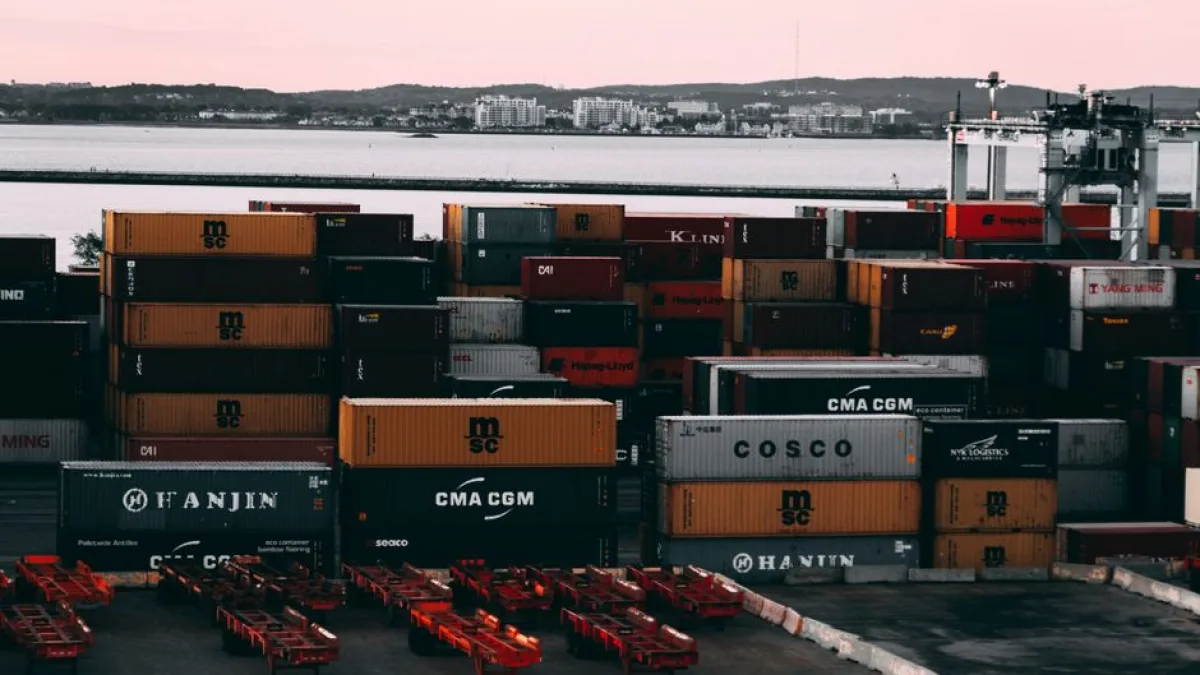
Effective carrier management requires real-time visibility into vessel schedules and capacity availability across diverse transport modes. Leveraging automated tools allows forwarders to track shipments with precision, providing clients with updates that foster trust and long-term business loyalty.
- Real-time Tracking Integration: Connect directly with ocean and air carrier APIs to retrieve live tracking data, ensuring your customers receive instant updates regarding their critical cargo delivery status.
- Improved Capacity Planning: Utilize integrated dashboards to compare carrier rates and availability instantly, enabling your operations team to choose the most cost-effective and efficient shipping routes.
- Automated Status Alerts: Proactively notify stakeholders about delays or milestones using automated trigger systems, which prevents the need for constant manual updates throughout the complex shipment journey.
- Centralized Carrier Database: Store all carrier contacts and performance metrics in one secure location to streamline communication and evaluate service provider quality for future booking decisions effectively.
Seamless communication with shipping lines and trucking partners is the backbone of successful freight operations. By centralizing carrier interactions, you eliminate the confusion caused by scattered email threads and missed phone calls. This organized approach ensures that everyone involved in the transport process stays aligned, leading to smoother handovers and more reliable delivery schedules that consistently meet your customers expectations every day.
Enhancing Customer Transparency

Clients today expect immediate access to their shipment data through modern digital interfaces. Transparency serves as a competitive advantage that transforms the freight forwarding experience, moving it from a opaque transactional model to a high-value partnership service.
- Customer Portal Access: Grant your clients direct login capability to view their current shipments, download essential documents, and monitor milestones without needing to contact your support team.
- Customized Reporting Tools: Generate automated performance reports that demonstrate the value of your services, helping clients analyze their own shipping patterns and optimize their logistics costs effectively.
- Simplified Communication Channels: Provide a dedicated portal chat feature that links specific queries to individual shipments, ensuring that no request is lost or misinterpreted by staff.
- Proactive Problem Solving: Use visibility tools to identify potential bottlenecks before they impact the client, allowing your team to offer proactive solutions that maintain high satisfaction.
Building a transparent service environment reduces the operational burden on your customer support staff while simultaneously increasing trust with your client base. When clients have the autonomy to track their own freight and retrieve documents independently, they feel more in control of their own supply chain. This transparency encourages repeat business and strengthens your reputation as a forward-thinking provider in the market.
Scalable Financial Management

Streamlining the financial aspects of freight forwarding is essential for maintaining a healthy cash flow. Integrating your operational platform with accounting systems reduces the gap between job completion and final invoicing, keeping your business operations running efficiently.
- Instant Invoice Generation: Automatically convert shipment data into accurate invoices immediately after departure, ensuring your finance department never misses a billing opportunity due to manual reporting delays.
- Integrated Currency Conversion: Handle multi-currency transactions with built-in conversion tools that ensure your accounting records remain accurate regardless of the international markets involved in your freight.
- Expense Tracking Automation: Log every vendor cost and ancillary fee against specific shipments in real-time to gain deep insights into your true profit margins per job.
- Streamlined Payment Reconciliation: Match incoming payments with outstanding invoices automatically to reduce the time your accounting team spends on manual record keeping and bank statement checking.
Efficient financial operations allow you to monitor profitability with surgical precision, which is vital for any growing freight forwarding enterprise. By automating the transition from operational data to financial reports, you gain a clearer picture of your business health at any moment. This clarity enables better strategic planning, allowing you to invest in growth areas while maintaining a stable and reliable cash flow.
Conclusion
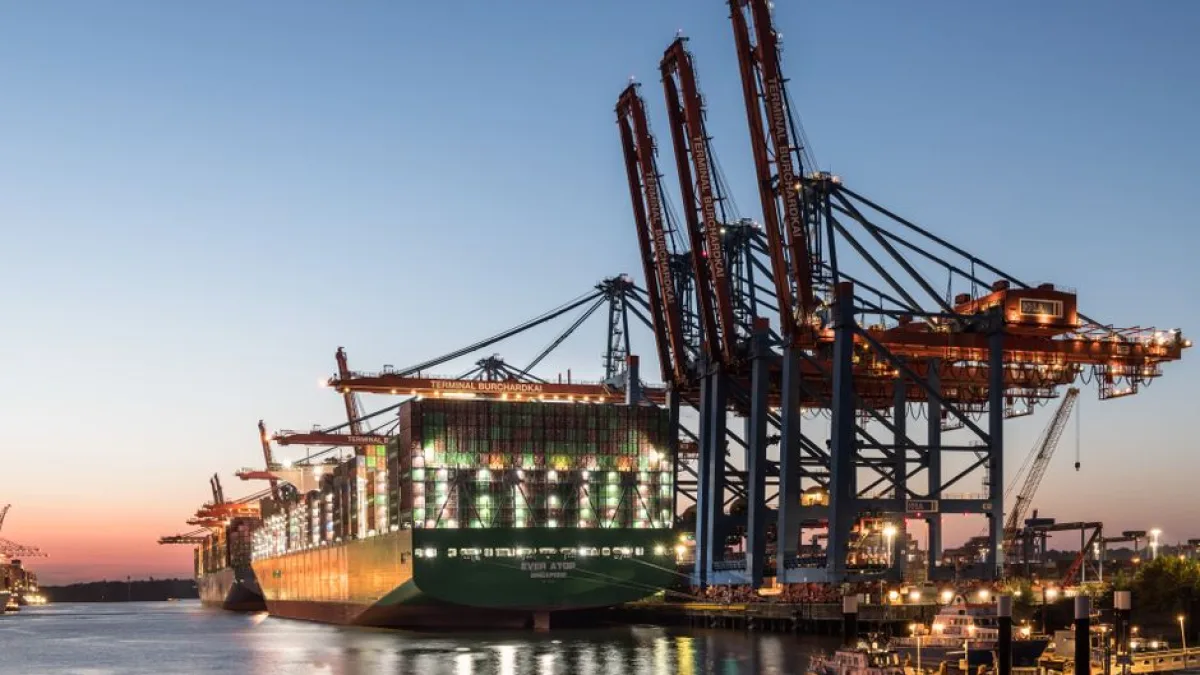
Mastering digital transformation is the key to thriving in the competitive logistics landscape. By adopting integrated cloud-based software, you can optimize your operations, satisfy clients, and scale your business with ease. Start your journey toward higher efficiency by auditing your current manual processes today. MakeCargo provides the tools necessary to modernize your workflows and keep your freight business ahead of the curve.