Mastering Digital Efficiency in Modern Freight Forwarding Operations
Wednesday, September 16 2026
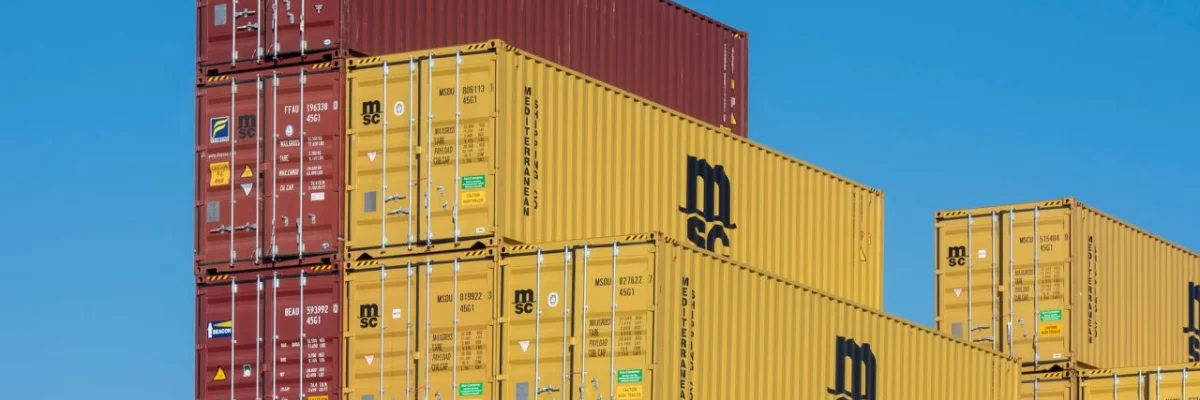
Freight forwarding is currently navigating a period of unprecedented transformation as global supply chains demand higher levels of transparency and speed. For professionals in this sector, moving away from manual data entry and fragmented spreadsheets is no longer optional but a strategic imperative. By leveraging cloud-based platforms like MakeCargo, logistics providers can unify disparate workflows into a single dashboard, allowing teams to collaborate in real-time. This shift not only reduces human error but also empowers operations managers to focus on high-value tasks such as exception management and client relationship building, effectively future-proofing their business in a competitive market.
Optimizing Shipment Tracking Protocols
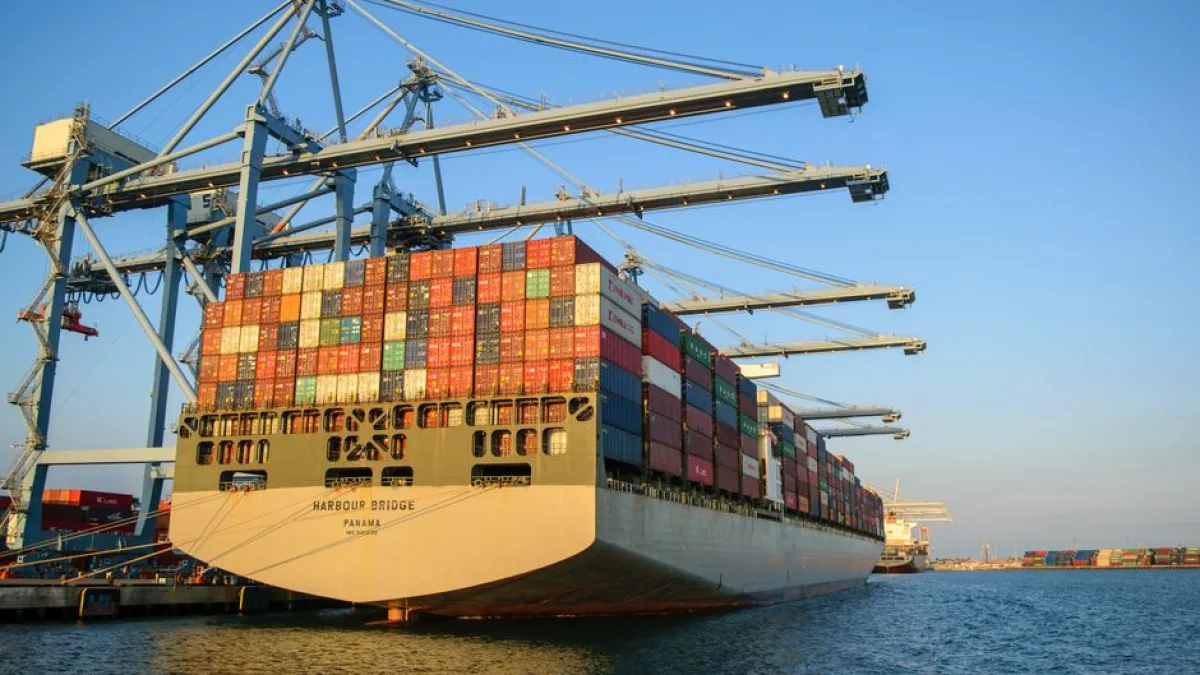
Accurate shipment tracking remains the backbone of freight operations, ensuring that stakeholders remain informed at every turn. Implementing automated status updates allows for proactive problem-solving before delays impact the final delivery schedule, ultimately enhancing client trust and operational reliability throughout the cycle.
- Real time visibility: Integrated tracking systems provide instantaneous updates on shipment locations, allowing forwarders to manage client expectations effectively while reducing the constant influx of status inquiry emails.
- Automated milestone alerts: Configuring custom notifications for critical shipment milestones ensures that your team is always aware of departures, arrivals, and any potential bottlenecks occurring in the supply.
- Integrated carrier data: Connecting your dashboard directly to carrier APIs eliminates manual data entry, creating a seamless flow of information that keeps all parties aligned and updated.
- Proactive delay management: Early warning systems identify potential disruptions in transit, giving operational teams the necessary window to pivot logistics plans and prevent major cargo delivery setbacks.
By automating the tracking process, your firm can significantly reduce the administrative burden on logistics coordinators. This allows staff members to dedicate their time to complex logistical challenges rather than repetitive status checks. As your operations scale, these digital efficiencies ensure that performance standards remain high without requiring proportional increases in headcount, ultimately driving sustainable profitability across your global freight forwarding operations.
Streamlining Documentation and Compliance

Documentation is frequently cited as the most time-consuming aspect of freight forwarding, often leading to bottlenecks that delay cargo movement. Adopting a centralized digital document management system ensures that every bill of lading, commercial invoice, and certificate of origin is instantly accessible.
- Digital document storage: Cloud-based repositories allow for secure storage and instant retrieval of all essential shipping files, eliminating the need for bulky physical filing cabinets and paper.
- Standardized data fields: Implementing structured data entry forms reduces common formatting errors, ensuring that documentation is consistently compliant with customs regulations across all international shipping lanes.
- Automated document generation: Leveraging template-driven systems allows your team to generate standard shipping documents in seconds, significantly cutting down on the time required for administrative tasks.
- Secure access controls: Granular permission settings ensure that sensitive client or shipment information is only accessible by authorized personnel, maintaining compliance with modern data security standards.
Streamlined documentation processes foster a culture of compliance while reducing the risks associated with manual errors. When your operational team can generate and verify paperwork with ease, your agency avoids costly customs fines and reduces dwell time at border crossings. This operational shift creates a faster, more reliable supply chain that clients value, ultimately helping your company secure more long-term contracts.
Enhancing Vendor and Partner Collaboration

Building a robust network of reliable carriers and partners is essential for expanding global reach. Effective communication tools integrated into your freight platform facilitate smoother collaboration, ensuring that every vendor is aligned with your operational requirements and service standards.
- Centralized communication hubs: Bringing all stakeholder interactions into a single platform prevents information silos and ensures that critical project details are not lost in disparate email.
- Vendor performance tracking: Monitoring carrier performance through standardized metrics enables data-driven decisions when selecting partners, ensuring that only the most reliable vendors handle your high-priority shipments.
- Direct messaging tools: Utilizing built-in chat functions within your software facilitates rapid decision-making, allowing logistics teams to resolve issues with overseas agents in a matter of minutes.
- Document sharing portals: Dedicated portals provide partners with secure access to necessary shipment files, reducing the need for constant back and forth communication through traditional channels.
Strengthening these collaborative links directly translates into smoother operational execution. When your team and your partners share a single view of the truth, misunderstandings disappear and efficiency gains follow. This level of synchronization builds the type of long-term partnership that sustains business growth, even during turbulent market conditions, ensuring your firm remains a preferred partner for global shipping clients worldwide.
Data-Driven Decision Making Strategies
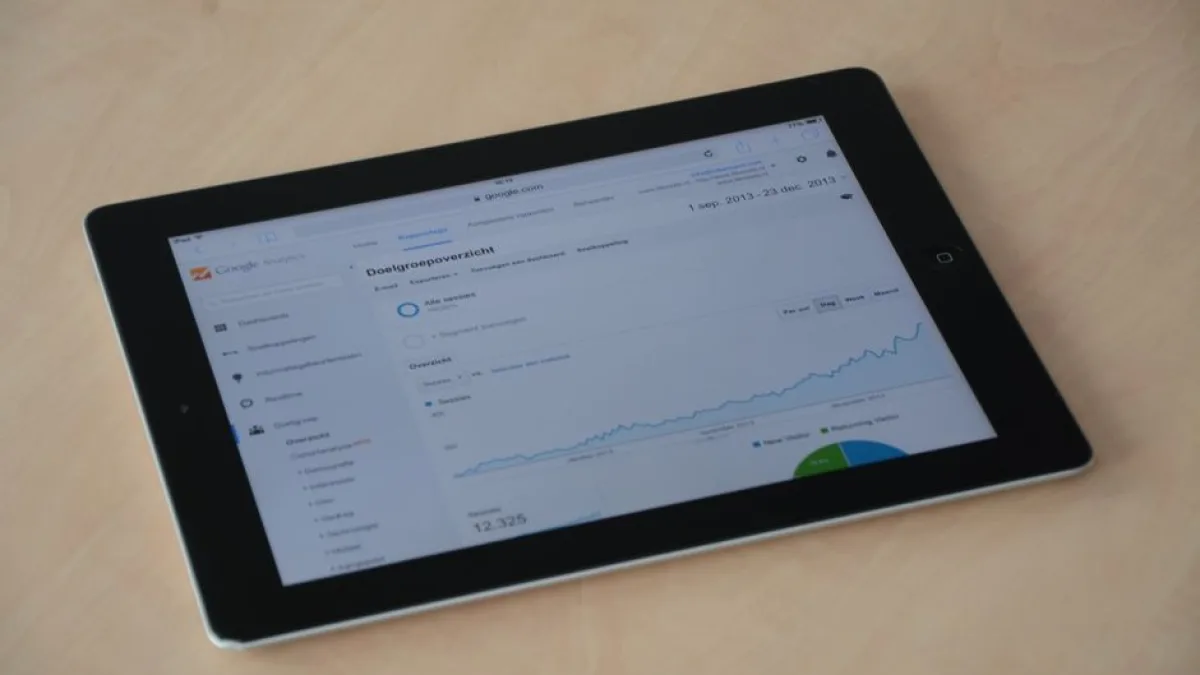
The power of data analytics in freight forwarding allows firms to identify trends, optimize costs, and forecast future demand with high precision. By transforming raw operational data into actionable intelligence, managers can make informed choices that improve the bottom line and optimize resource allocation.
- Custom reporting tools: Advanced reporting modules allow managers to extract insights on transit times, profit margins, and carrier reliability, providing a clear picture of overall business health.
- Predictive demand modeling: Utilizing historical shipment data helps your team anticipate busy seasons and allocate capacity effectively, ensuring you are never caught unprepared by unexpected spikes.
- Cost analysis dashboards: Identifying hidden expenses through detailed financial reporting enables your team to trim unnecessary costs and focus resources on the most profitable shipping routes.
- Performance benchmarking tools: Comparing your current operational performance against industry standards or past internal data drives continuous improvement and fosters a culture of excellence within teams.
Harnessing the power of your data is the final step toward digital maturity. When decisions are based on facts rather than intuition, your operations become significantly more resilient. By consistently analyzing key metrics, you can identify areas for improvement and implement changes that keep your firm ahead of the competition, ensuring long-term success in an increasingly data-reliant global logistics landscape.
Conclusion

Achieving digital transformation in freight forwarding requires a commitment to adopting modern cloud tools that prioritize efficiency and collaboration. By streamlining tracking, documentation, communication, and data analysis, logistics providers can overcome common operational hurdles and deliver superior service to their clients. Embracing these technologies today ensures your firm remains agile and prepared for future growth in a highly dynamic global logistics environment.