Mastering Digital Efficiency in Modern Freight Forwarding Operations
Tuesday, September 22 2026
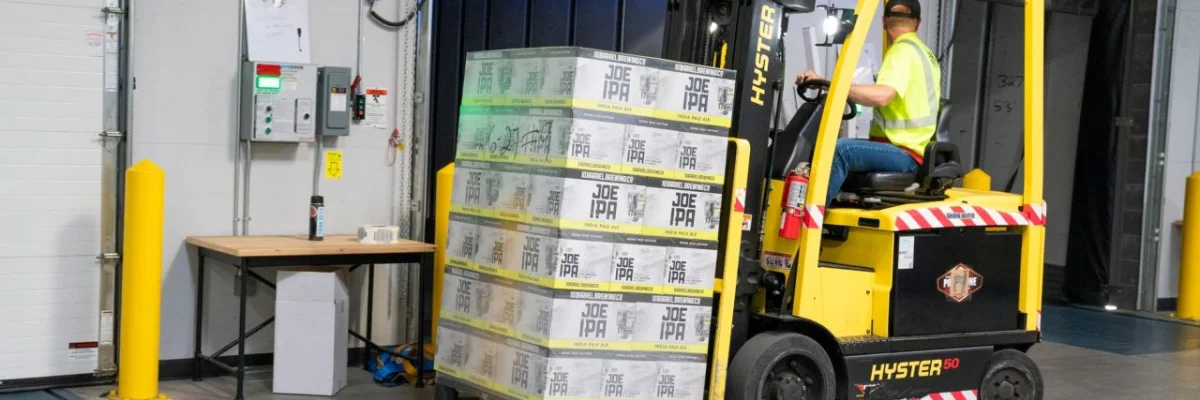
The global logistics landscape is undergoing a massive transformation driven by rapid technological advancement and changing customer expectations. Freight forwarders today must navigate complex supply chains while managing volatile shipping costs and increasing regulatory requirements. To remain competitive, professionals need to move beyond manual processes and embrace cloud-based software solutions that provide real-time visibility and automated workflows. By integrating smart tools into your daily operations, your team can reduce errors, enhance communication with stakeholders, and ultimately drive higher profitability. Embracing a digital-first mindset is no longer just an optional strategy but a fundamental necessity for sustainable growth in the modern shipping industry.
Optimizing Shipment Documentation

Efficient documentation management is the backbone of any successful logistics company. Moving away from physical files allows your team to access critical shipment data instantly, which minimizes delays and reduces the risk of costly administrative errors during customs clearance and cargo processing.
- Automated Data Entry: Implement intelligent software that extracts key information from bills of lading or commercial invoices to significantly reduce human error and save hours of manual typing.
- Centralized Document Storage: Maintain a secure cloud repository where every team member can access updated files, ensuring that everyone stays aligned throughout the entire shipment lifecycle process.
- Digital Signature Integration: Utilize electronic signature tools to expedite the approval of legal documents, removing the need for printing or scanning physical papers for every single transaction.
- Version Control Systems: Track changes made to essential shipping documents to ensure that stakeholders always view the latest version, preventing confusion during busy transit periods across borders.
- Instant Compliance Checks: Use automated software alerts to flag missing information or regulatory inconsistencies immediately, helping your team resolve issues before they negatively impact your cargo delivery.
By streamlining your documentation flow, you eliminate the bottlenecks that often plague traditional freight forwarding firms. When information moves seamlessly between parties, your operational capacity increases significantly. Adopting these digital protocols ensures that your staff focuses on high-value tasks rather than repetitive paperwork. This transition creates a professional environment where accuracy is maintained consistently, leading to improved client satisfaction and stronger long-term business relationships.
Enhancing Real-Time Cargo Tracking
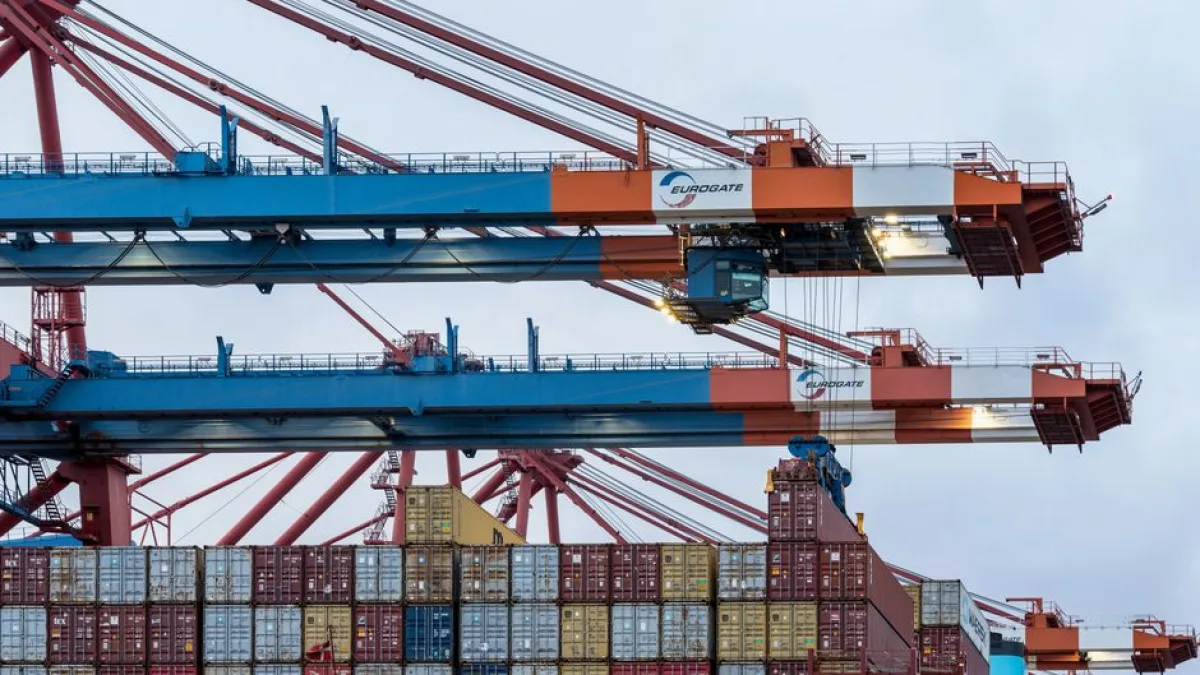
Customers expect total transparency throughout the shipping process. Providing live status updates transforms client relationships from simple transactions into partnerships built on trust and reliable data, helping you stand out as a premium logistics service provider in a crowded market.
- Live GPS Integration: Connect your software to carrier APIs to provide clients with precise location tracking for every shipment, reducing the frequency of status inquiry phone calls.
- Automated Status Alerts: Send proactive notifications to clients whenever a cargo milestone is achieved, which keeps them informed without requiring them to contact your office support team.
- Exception Management Dashboards: Utilize visual tools that highlight shipments facing unexpected delays, allowing your operations team to address issues proactively before the client even notices a problem.
- Carrier Portal Syncing: Integrate your internal platform with multiple shipping lines to aggregate data, providing a single source of truth for all your active global freight movements.
- Data Driven Insights: Analyze historical tracking performance to identify carrier reliability trends, which helps you make smarter decisions when selecting partners for future high priority logistics bookings.
Real-time visibility is the primary expectation for modern shippers who require precision for their inventory management. When your software provides accurate tracking, it empowers your clients to plan their production cycles with confidence. Consistently meeting these expectations builds a reputation for reliability that attracts recurring business. This level of transparency makes your services indispensable, distinguishing your forwarding company from competitors who still rely on outdated manual reporting.
Scaling Through Workflow Automation

Scaling a freight forwarding business requires robust automation to handle high volumes of data without increasing your headcount. When repetitive tasks are offloaded to software, your expert staff can dedicate their time to solving complex logistical problems and strategic growth.
- Standardized Booking Processes: Use predefined templates to ensure that booking requests are consistent across your entire organization, reducing ambiguity for carriers and internal operations staff members involved.
- Automated Invoice Generation: Link your operational software with accounting tools to trigger invoices automatically as soon as proof of delivery is confirmed, improving your company cash flow.
- Internal Task Routing: Assign incoming freight inquiries to the most qualified team member automatically based on region or specialization, ensuring faster response times for all prospective customers.
- Smart Email Parsing: Deploy tools that automatically convert unstructured email inquiries into structured tasks within your dashboard, keeping your workflow organized without requiring tedious manual input entries.
- Customizable Reporting Modules: Generate automated performance reports that reveal bottlenecks in your supply chain, allowing management to make informed adjustments to operational workflows for maximum efficiency gains.
Automation is the engine that drives scalable growth in the freight sector. By removing the friction associated with manual workflows, your team can process significantly more shipments while maintaining quality standards. This operational efficiency creates a buffer against market volatility and keeps your overhead costs under control. Ultimately, shifting to automated systems provides the flexibility required to adapt quickly to changing global trade demands.
Improving Client Communication Cycles

Strong communication keeps your logistics operation running smoothly. Implementing a dedicated client portal creates a professional hub for exchanging information, which minimizes misunderstandings and prevents critical project details from getting lost in fragmented email chains or long phone call logs.
- Secure Client Portals: Provide a dedicated login area where customers can access quotes, track shipments, and view invoices, creating a transparent experience that saves your team significant time.
- Centralized Message History: Maintain a complete log of all client interactions within the software to ensure that any team member can assist a customer at any time.
- Instant Quote Requests: Enable customers to submit rate requests through an online form, which feeds directly into your CRM and speeds up your internal pricing response process.
- Integrated Chat Support: Add live communication features to your platform to handle quick inquiries, which provides a modern support experience that clients truly appreciate during busy periods.
- Feedback Collection Loops: Use digital surveys to gather client feedback after shipment delivery, helping you identify areas for improvement and maintain a high standard of professional service.
Effective communication strategies prevent operational errors and keep all project stakeholders happy. When information is easily accessible, the number of support requests drops, and client trust increases. Cultivating a culture of clear and responsive communication ensures that your brand is viewed as a supportive partner. This proactive approach strengthens your market position and contributes to high client retention rates every year.
Conclusion

Transforming your freight forwarding operation with modern technology is the best way to secure your future in the logistics industry. By focusing on documentation efficiency, cargo tracking, workflow automation, and client communication, you can build a resilient and highly profitable business. Use these best practices as a roadmap for your digital transformation journey and watch your operational performance reach new, sustainable heights today.