Mastering Digital Efficiency in Modern Freight Operations
Friday, July 24 2026
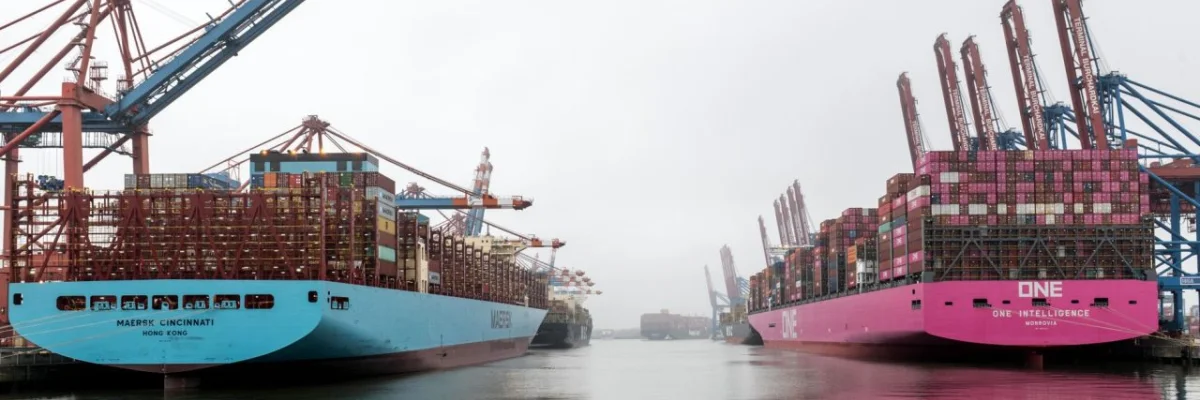
Modern freight forwarding is evolving at an unprecedented pace as market demands shift toward radical transparency and speed. Professionals today must navigate complex global supply chains while managing volatile capacity, stringent regulatory requirements, and the constant pressure to reduce operational costs. Relying on legacy manual processes like spreadsheets and email chains often creates visibility gaps that threaten profitability and client satisfaction. By integrating advanced cloud-based software solutions, freight forwarders can automate core workflows, unify data across distributed teams, and gain the real-time insights necessary to make proactive decisions in a highly competitive and increasingly digital global trade environment.
Optimizing Shipment Tracking Protocols
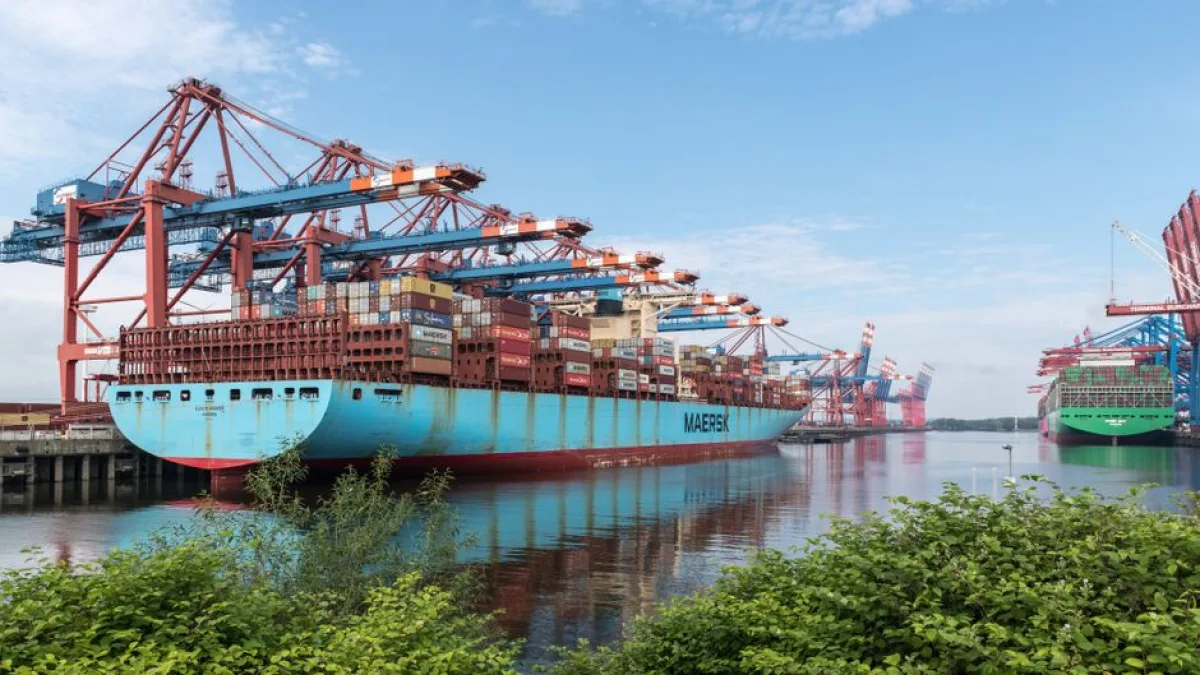
Real-time visibility acts as the heartbeat of successful logistics management because it allows teams to address delays before they impact customers. Accurate tracking data keeps stakeholders informed while reducing the burden of manual status updates on your busy staff.
- Automated status updates: Deploy system triggers that push shipment milestones directly to customers via automated notifications to eliminate repetitive manual status inquiries that consume valuable operational time every day.
- Centralized data access: Maintain a single source of truth for all tracking documents and carrier movements to ensure every team member views identical, up-to-date shipment information instantly.
- Exception management alerts: Configure smart dashboards to highlight shipments falling behind schedule so your operations team can intervene immediately and secure alternative routing or capacity options effectively.
- Carrier API integration: Connect your forwarding platform directly to global carrier systems to receive raw tracking feeds that provide granular accuracy across ocean, air, and land.
By shifting away from fragmented communication methods toward a unified digital platform, freight forwarders ensure that every shipment status is visible at a glance. This high level of transparency minimizes the risk of human error and significantly boosts your service reliability. Clients gain confidence when they receive consistent information, allowing your team to focus on resolving exceptions rather than simple data entry.
Automating Documentation and Compliance

Documentation remains the most critical hurdle in international freight because simple errors often lead to expensive customs hold-ups or port detention fees. Digitizing your paperwork workflows ensures consistency, speed, and accuracy throughout the entire shipping lifecycle process.
- Digital document generation: Use templates to auto-populate bills of lading and commercial invoices using existing booking data to reduce manual typing errors and speed up processing.
- Cloud storage systems: Securely archive every piece of digital documentation in a centralized cloud vault that allows for easy retrieval during future audits or trade disputes.
- Regulatory validation checks: Implement automated validation steps that scan documentation against regional trade requirements to prevent non-compliance penalties and costly delays at international border control checkpoints.
- E-signature integration workflows: Incorporate digital signing tools directly into your document management pipeline to remove the physical need for printing, scanning, and mailing sensitive shipping contracts.
Digital transformation of your document management eliminates the slow and prone-to-error paper trail that often bogs down freight operations. By centralizing these assets, your team saves hours of searching through physical files or cluttered email inboxes. Furthermore, automated compliance checks provide peace of mind that your operations remain within the legal boundaries of ever-changing international trade policies and standard logistics regulations.
Streamlining Carrier and Vendor Communication

Effective collaboration with carriers is the backbone of efficient freight forwarding because clear communication prevents confusion during busy peak seasons. Leveraging integrated communication tools helps forwarders maintain strong relationships with vendors while ensuring that all stakeholders operate from the same page.
- Vendor portal access: Provide your trusted carriers with secure access to a dedicated portal where they can upload their own proofs of delivery and invoices.
- Unified messaging threads: Keep all correspondence related to a specific booking attached to the digital file to ensure that context is never lost during handovers.
- Automated rate requests: Send bulk quote requests to multiple vendors through the platform to compare pricing and service levels faster than traditional email communication methods.
- Collaborative task management: Assign specific operational tasks to external partners through the system to track progress and ensure that every milestone is hit on schedule.
Removing silos between your team and your external vendors creates a smoother workflow that benefits everyone involved in the supply chain. When communication happens within the software rather than scattered across various platforms, you minimize the risk of misinterpretation. This professional approach fosters trust with your carrier network and ensures that you remain a preferred customer for high-demand shipping lanes.
Scaling Operations Through Smart Analytics

Data is the most valuable asset in modern logistics but only if it can be translated into actionable intelligence for your leadership team. Analyzing performance metrics helps forwarders identify hidden inefficiencies and discover new opportunities for margin growth across the business.
- Profitability per lane: Generate detailed reports that break down costs and revenue for specific routes to determine which business sectors offer the highest potential profit margins.
- Operational efficiency tracking: Measure the time taken to complete common booking tasks to identify bottlenecks in your workflow and improve the productivity of your logistics staff.
- Carrier performance scoring: Aggregate data on carrier reliability, transit times, and pricing accuracy to make informed decisions about future procurement and long-term service level agreements.
- Financial reporting tools: Automate the creation of monthly financial statements that accurately reflect your logistics turnover and help your accounting department close the books faster.
Transforming raw operational data into clear visualizations allows you to steer your company toward more profitable growth. By regularly reviewing these analytics, you move from a reactive posture to a proactive strategy. Understanding exactly where your team excels and where costs accumulate enables smarter resource allocation. This data-driven mindset is essential for any forwarder aiming to remain profitable and competitive today.
Conclusion
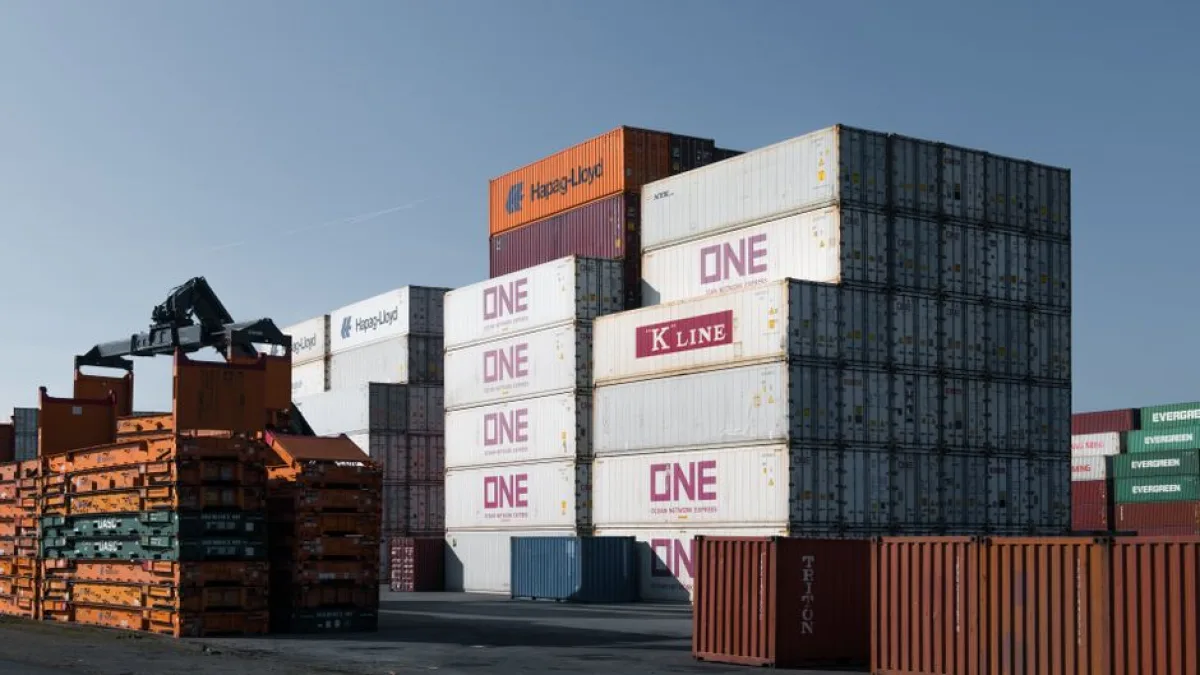
Modernizing your freight operations is not just about keeping pace with technology but about building a resilient future for your business. By adopting digital tools, you empower your team to excel in a demanding market while delivering superior value to every customer. Start evaluating your internal workflows today to ensure your firm remains agile, efficient, and ready to meet the challenges of global logistics.