Mastering Digital Efficiency in Modern Freight Operations
Monday, July 27 2026
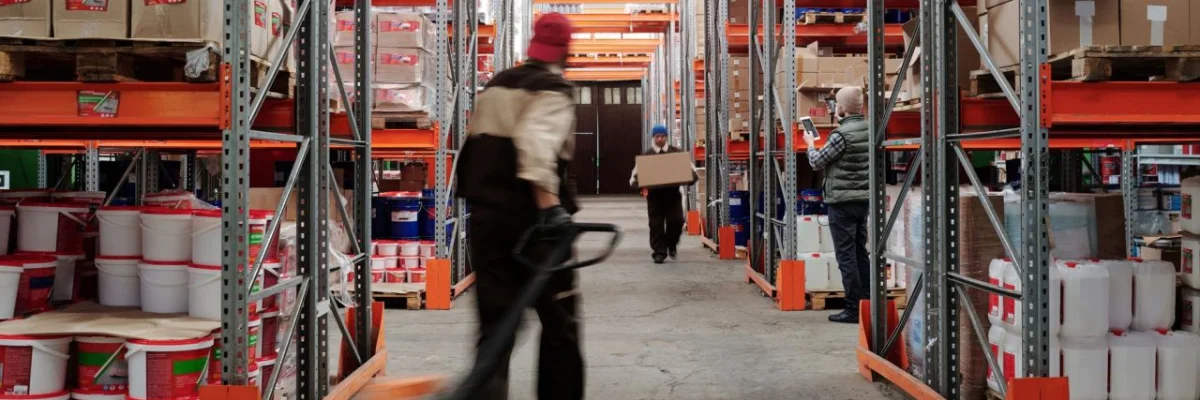
The global logistics landscape is undergoing a massive transformation as freight forwarders shift away from manual processes toward integrated digital ecosystems. To remain competitive in an era of volatility, logistics providers must harness automation to handle complex documentation, real-time tracking, and multi-modal coordination. By adopting cloud-based platforms like MakeCargo, professionals can centralize fragmented data points, minimize human errors, and foster better collaboration with global partners. This transition is no longer just a luxury but a fundamental requirement for companies aiming to scale operations while maintaining the high service standards that modern shippers and importers expect from their logistics partners.
Optimizing Shipment Documentation

Digital documentation management is the foundation of streamlined freight operations. Moving from paper-based filing systems to centralized software solutions allows teams to access critical documents instantly, ensuring compliance and reducing the administrative burden often associated with cross-border trade and shipping.
- Automated Data Entry: Implement intelligent character recognition tools to extract data from bills of lading or invoices, which significantly reduces manual typing errors and speeds up processing time considerably.
- Centralized Cloud Storage: Maintain a secure digital repository where all team members can retrieve shipment records simultaneously, eliminating time wasted searching through disorganized physical files or email threads.
- Compliance Tracking Systems: Utilize automated alerts that notify your operations team about upcoming document expiry dates or regulatory changes, helping to prevent costly delays at customs clearance checkpoints.
- Digital Signature Integration: Enable secure e-signatures for all shipping contracts and declarations, which simplifies the approval process between forwarders, exporters, and trucking companies on a global scale.
Transitioning your workflow to a paperless environment fundamentally changes how your team handles daily tasks. By reducing reliance on physical copies, you clear the path for faster communication and improved accuracy across every department. Investing in these digital tools today helps your freight forwarding business avoid bottlenecks and maintain consistent performance even during peak seasons when volume pressures rise unexpectedly.
Leveraging Real-time Tracking
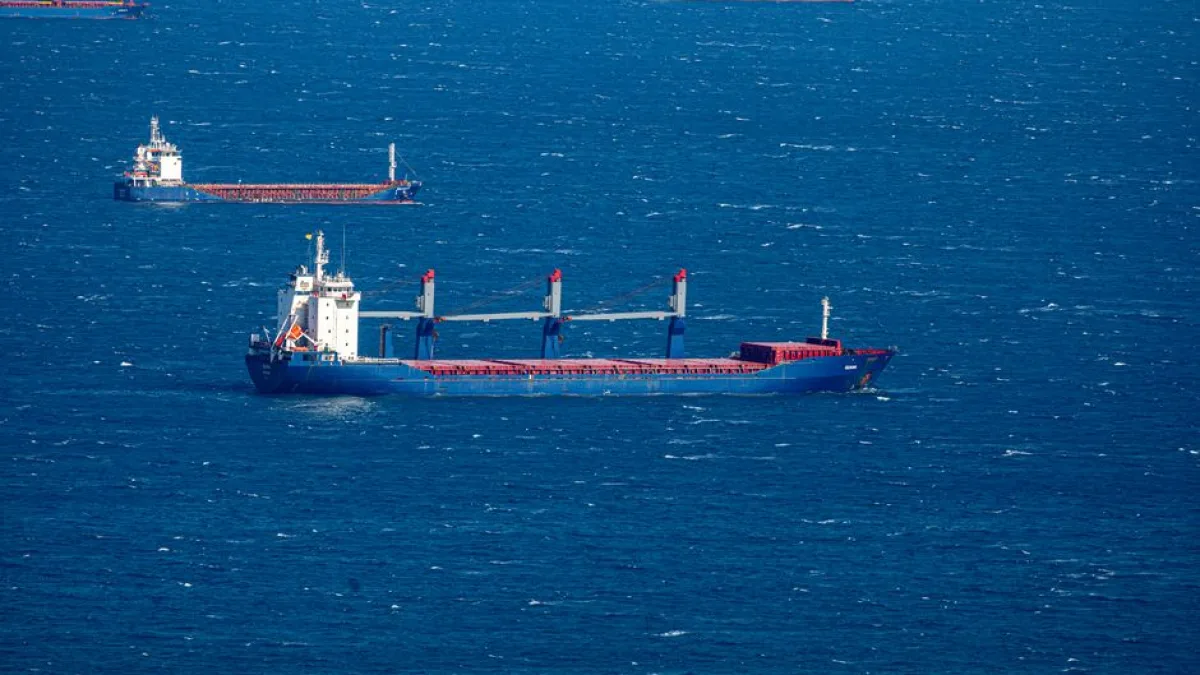
Real-time visibility has become a baseline expectation for shippers who demand constant updates on their cargo. Leveraging sophisticated tracking tools allows freight forwarders to provide proactive service, managing exceptions before they become major problems for your clients and your bottom line.
- Live Status Updates: Integrate GPS and satellite tracking data directly into your dashboard, providing accurate location updates for every container throughout its entire journey across the ocean.
- Automated Customer Notifications: Configure your software to send personalized email or SMS updates to clients whenever a shipment clears customs or reaches its final destination warehouse facility.
- Exception Management Alerts: Receive instant notifications when a shipment faces a delay at a terminal, allowing your team to pivot and find alternative transportation solutions very quickly.
- Predictive Arrival Forecasting: Utilize historical data and weather patterns to provide more accurate arrival time estimates to your customers, which helps them plan their inventory levels effectively.
Providing clients with a transparent window into their supply chain improves trust and long-term retention. When your operations team uses advanced tracking technology, they shift from a reactive state to a proactive advisory role. This level of service differentiates your company from competitors, turning your standard freight operations into a value-added partner experience that clients will rely upon consistently.
Streamlining Carrier Communications
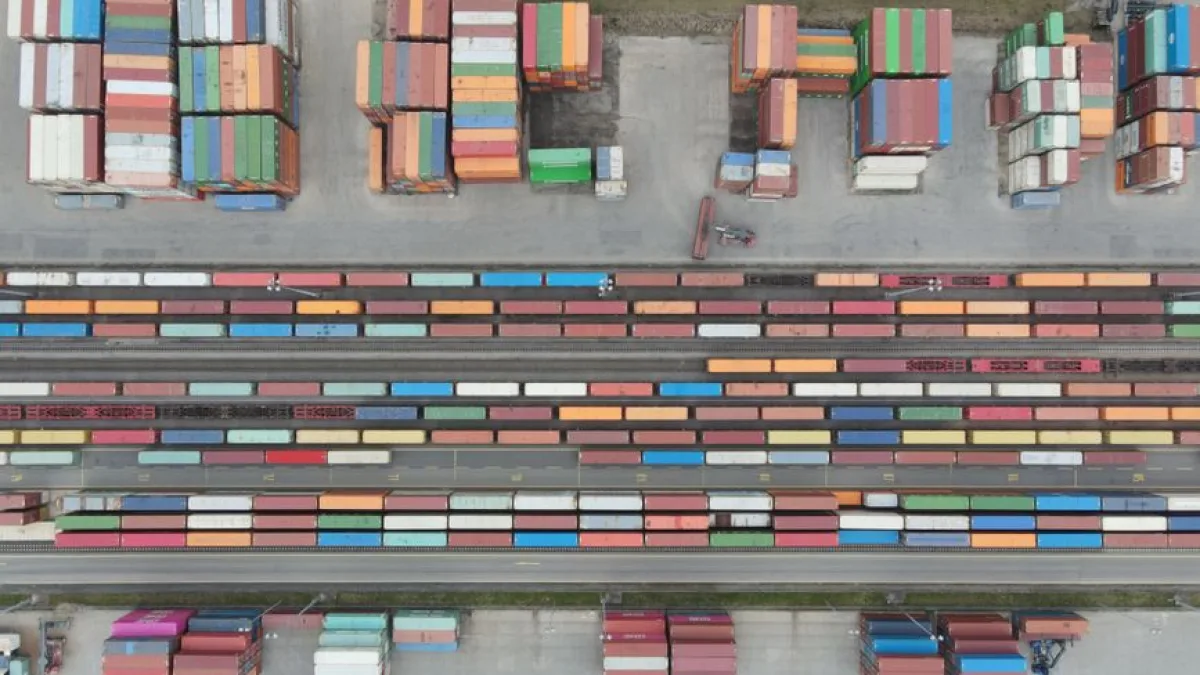
Effective communication between forwarders and carriers is vital for smooth operations. Centralizing these interactions within a dedicated platform ensures that critical information is never lost in overflowing email inboxes, keeping everyone aligned on shipment status and specific delivery requirements.
- Unified Messaging Portals: Direct all communications with steamship lines and trucking companies through a single interface, which keeps historical conversation threads organized for easy future reference by managers.
- Collaborative Booking Tools: Use integrated scheduling modules to request quotes and confirm bookings with multiple carriers simultaneously, saving hours of effort spent on phone calls or emails.
- Standardized Status Templates: Create uniform messaging formats for carrier requests, which ensures that you receive consistent information back from your partners for every single shipping project handled.
- Instant Partner Updates: Send immediate changes to delivery schedules or cargo specifications to the transport providers, ensuring that last-minute adjustments are reflected in actual operations without delay.
Optimizing how you interact with your network of carriers is a key driver of operational success. By reducing the noise caused by fragmented communication channels, your staff can focus on high-value logistics challenges rather than managing administrative clutter. A unified approach to carrier management saves time, reduces miscommunication risks, and strengthens your professional relationships with the vendors who move your cargo.
Enhancing Financial Workflow Accuracy

Precise financial management is the backbone of a successful freight forwarding firm. From invoicing speed to cost auditing, automating your financial workflows ensures that cash flow remains positive while keeping your profit margins protected against hidden expenses and billing errors.
- Automated Invoice Generation: Convert shipment data directly into professional invoices, which reduces the time spent on manual billing cycles and helps get your company paid much faster.
- Cost Audit Features: Cross-reference carrier invoices against initial shipment quotes to detect discrepancies or overcharges, helping to recover lost revenue and maintain strict control over logistics budgets.
- Multi-currency Support Tools: Manage international transactions with built-in currency conversion features, which simplifies your accounting processes when dealing with various global partners in different regional markets daily.
- Real-time Profit Analysis: Monitor the profitability of every individual shipment through automated reporting, enabling you to identify which routes or services generate the best returns for business.
Refining the financial side of your freight operations is essential for long-term scalability. By automating the repetitive tasks associated with invoicing and cost tracking, you minimize the risk of human error in your books. This approach allows your finance team to provide actionable insights that help leadership make smarter decisions about service offerings, pricing strategies, and future growth investments.
Conclusion

Mastering modern freight operations requires a commitment to digital tools that enhance efficiency and transparency. By focusing on documentation, tracking, communication, and financial accuracy, freight forwarders can provide superior service while scaling their businesses effectively. Embracing technology such as the MakeCargo platform empowers your team to work smarter, reduce operational friction, and deliver exceptional value to every client in your global logistics network.