Mastering Digital Efficiency in Modern Freight Operations
Wednesday, September 9 2026

The global logistics landscape is undergoing a massive transformation as freight forwarders shift away from manual processes toward integrated digital ecosystems. As complexity increases within international trade lanes, the need for real time data visibility and streamlined communication becomes paramount for staying competitive. Digital tools now empower teams to manage documentation, track shipments, and coordinate with carriers seamlessly from a single unified interface. By adopting cloud-based solutions, forwarders can reduce operational overhead, minimize manual errors, and provide superior client service levels that define industry leaders today. Embracing this technological shift is no longer optional for businesses aiming to scale their operations successfully.
Optimizing Shipment Visibility
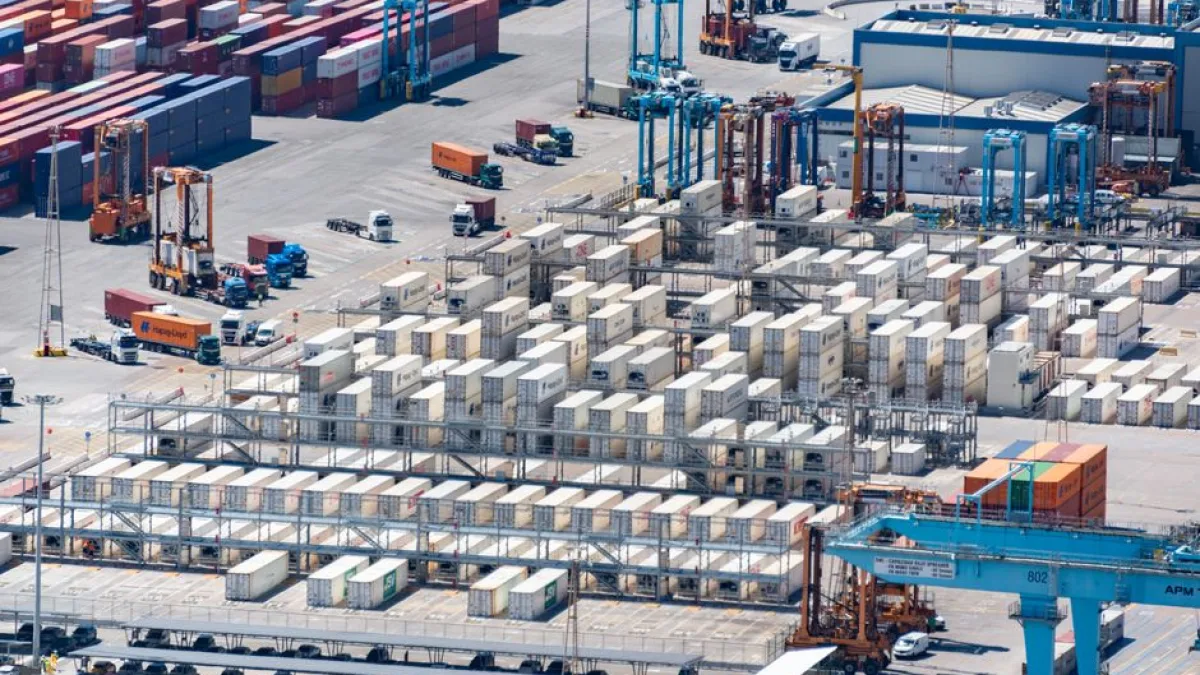
Real time tracking provides unprecedented oversight into the movement of goods across complex international supply chains. By leveraging live data feeds, forwarders can proactively identify potential disruptions and keep their clients informed throughout the entire lifecycle of every maritime or air shipment.
- Proactive status updates: Automated notifications provide instant alerts regarding shipment milestones, allowing operations teams to manage exceptions rather than manually chasing updates from various carrier portals or email threads daily.
- Centralized data access: Consolidating tracking information into one platform eliminates information silos, ensuring that every stakeholder has access to the most accurate and current logistics data available to them.
- Enhanced client transparency: Providing customers with a branded portal for tracking their own freight builds long-term trust and reduces the volume of repetitive status inquiry calls to offices.
- Risk mitigation strategies: Visibility tools allow forwarders to identify bottlenecks early, facilitating faster decision making when weather events or port congestion threaten to delay critical shipment delivery schedules.
Achieving total shipment visibility transforms the customer experience from reactive to proactive. By minimizing uncertainty, your team builds deeper credibility with every successful transit. Clients value the assurance that comes with knowing the exact status of their inventory. When you eliminate the guesswork through technology, your operations become more resilient, fostering loyalty that drives sustained business growth and repeat bookings in competitive markets.
Automating Documentation Processes

Digitizing document management is essential for reducing the labor intensive tasks that burden busy logistics teams. Automated workflows convert complex paperwork into structured digital data, significantly decreasing processing time while maintaining strict compliance with international customs and safety regulations across borders.
- Paperless file management: Cloud storage solutions allow teams to store and retrieve documents instantly, reducing the need for physical filing systems and minimizing the risk of lost paperwork.
- Automated data entry: Intelligent scanning software extracts critical information from invoices and packing lists, drastically reducing human input errors while accelerating the speed of cargo processing cycles.
- Customs compliance integration: Digital tools ensure that all required regulatory documents are generated and validated against current standards, preventing costly delays and penalties during the customs clearance process.
- Secure document sharing: Controlled access permissions allow forwarders to share sensitive shipping documents with authorized partners and clients safely, maintaining data privacy while facilitating rapid, efficient collaboration efforts.
Efficient documentation is the backbone of any healthy freight operation. By automating repetitive administrative tasks, your staff can focus their energy on high-value activities like relationship management and strategic planning. This transition not only boosts overall productivity but also ensures higher accuracy across your entire documentation flow. Investing in digital document tools is a direct path to reducing operational costs while improving quality.
Streamlining Communication Channels

Effective communication is the lifeblood of freight forwarding, requiring constant coordination between clients, carriers, and agents. Modern cloud platforms unify these interactions, replacing fragmented email chains with organized threads that ensure accountability and clarity for every single stakeholder involved in the process.
- Integrated messaging systems: Context-specific chat tools attached directly to shipment files keep all relevant discussions in one place, preventing information loss caused by buried emails or fragmented communications.
- External partner portals: Providing carriers and agents with secure portal access allows for seamless collaboration, ensuring everyone works from the same set of instructions and current documents.
- Improved team collaboration: Internal messaging features allow logistics coordinators to share notes and task updates within the system, ensuring seamless shift handovers and consistent service delivery standards globally.
- Mobile communication access: Cloud-based mobile apps enable team members to stay connected from anywhere, ensuring that urgent queries are addressed promptly regardless of whether staff are at desks.
Consolidated communication channels create a singular source of truth for your entire operation. By reducing reliance on chaotic email threads, your team saves hours of time each week while ensuring that critical shipping instructions remain crystal clear. This structured approach to interaction minimizes misunderstandings and prevents errors. Ultimately, better communication drives faster resolution of complex issues, keeping your supply chain moving forward without unnecessary delays.
Scaling Through Cloud Integration
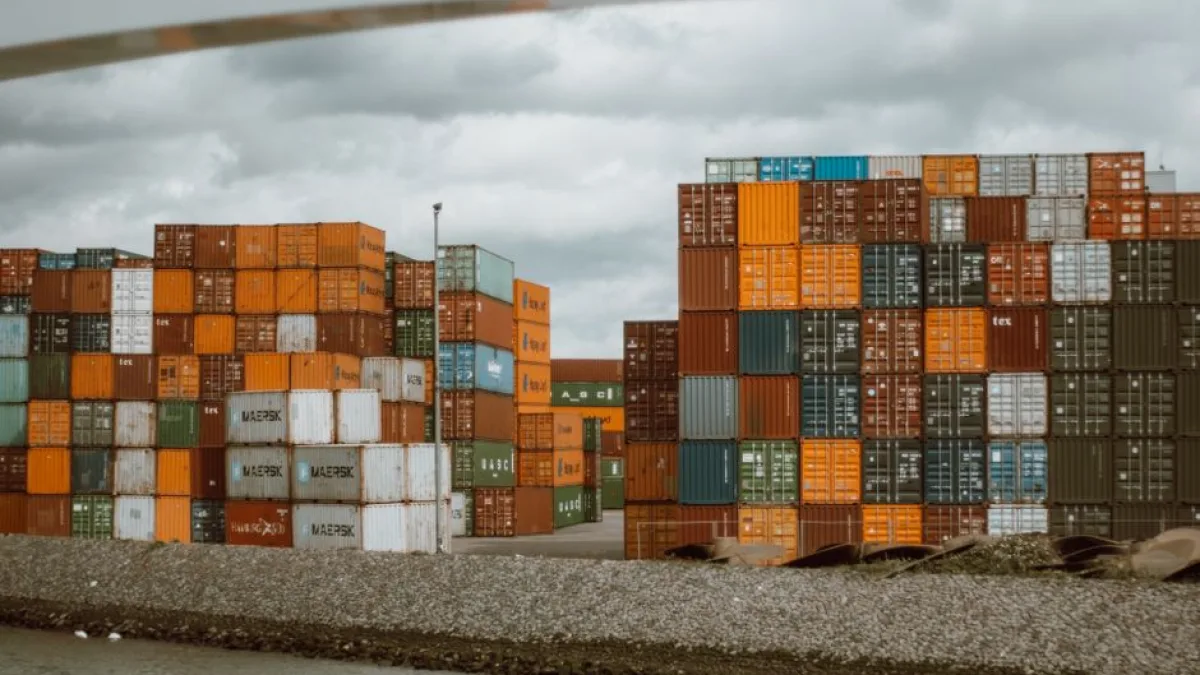
Cloud integration enables freight forwarders to scale operations dynamically, providing the flexibility needed to handle sudden volume increases or new market expansions. By relying on scalable software architecture, businesses can expand their global footprint without the need for heavy local infrastructure investments.
- Flexible resource allocation: Cloud platforms allow teams to add users and locations effortlessly, ensuring that systems grow in alignment with business expansion plans and fluctuating seasonal shipping volumes.
- Unified platform ecosystem: Linking your freight software with accounting, CRM, and accounting tools creates a powerful data ecosystem that supports faster decision making and accurate financial reporting daily.
- Global accessibility features: Working in the cloud ensures that distributed teams across different time zones maintain consistent access to the same tools, fostering a cohesive international operational strategy.
- Continuous software updates: Cloud providers handle all backend maintenance and security patching, ensuring that your team always uses the latest features without requiring local IT resource involvement.
Transitioning to a cloud-based infrastructure allows your business to remain agile in a volatile market. As technology evolves, your platform grows with you, keeping your operations at the cutting edge of logistics innovation. This scalability is vital for long-term success, ensuring your business stays ahead of the competition while maintaining high efficiency levels. Start your digital transformation journey today for better results tomorrow.
Conclusion

Modernizing your freight operations requires a commitment to digital tools that enhance visibility and streamline complex workflows. By prioritizing automation and cloud-based communication, your team can achieve significantly higher productivity levels while improving service quality. The journey toward total digital integration is essential for maintaining growth. Assess your current processes today and choose the right software to elevate your forwarding business to new heights.