Mastering Digital Efficiency in Modern Freight Operations
Wednesday, October 14 2026

The global logistics landscape is undergoing a massive transformation as freight forwarders shift away from manual processes toward integrated digital ecosystems. As supply chain complexities mount, the ability to manage documentation, track shipments, and coordinate with carriers through a centralized platform becomes a critical competitive advantage. Professionals who embrace cloud-based software can significantly reduce human error, minimize administrative bottlenecks, and provide superior transparency to their clients. By leveraging real-time data and automated workflows, forwarders can reclaim valuable time to focus on strategic growth and relationship management, ensuring their business remains resilient in an increasingly volatile and fast-paced international market.
Optimizing Shipment Visibility
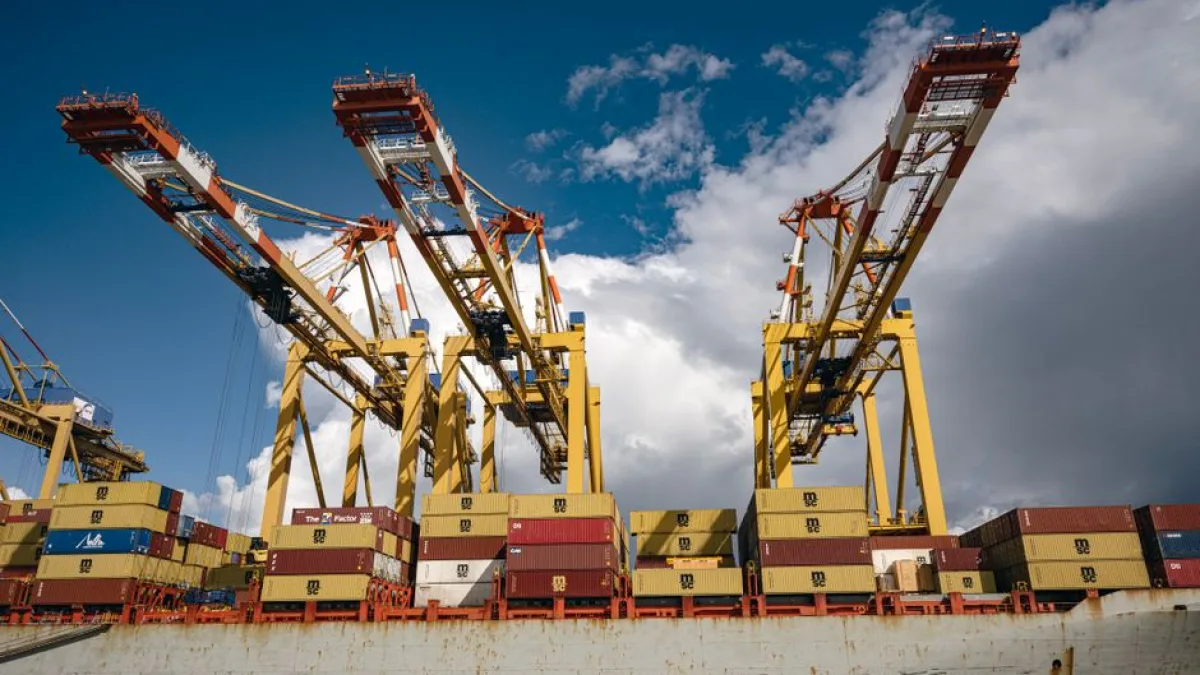
Real-time visibility acts as the backbone of modern freight operations, allowing teams to monitor cargo status from origin to final delivery. By centralizing tracking information, forwarders eliminate the need for manual status checks and provide clients with accurate, live updates.
- Automated status updates: Reduce manual client inquiries by configuring your platform to send automatic notifications triggered by milestone changes such as gate arrivals or vessel departures throughout the journey.
- Centralized data hub: Store all shipment documents and tracking logs in one location to ensure that every team member has access to the latest information during operations.
- Proactive disruption management: Identify potential bottlenecks or delays early by monitoring live traffic and carrier data to provide your customers with solutions before issues escalate further.
- Enhanced client trust: Build stronger relationships with your shipping partners by offering a transparent interface where they can view their shipment progress independently and securely around the clock.
Achieving total visibility transforms the customer experience by replacing uncertainty with reliable information. When forwarders provide precise ETAs and status alerts, they establish a reputation for reliability and professionalism. Modern software solutions empower teams to handle complex logistical challenges with ease, ultimately reducing stress on staff and increasing client satisfaction. Consistent data flow is essential for maintaining a competitive edge in today's high-demand freight forwarding industry.
Automating Documentation Workflows

Streamlining the documentation process is vital for reducing the administrative burden that often plagues freight forwarding firms. Automation tools now allow for the rapid generation, validation, and distribution of bills of lading and commercial invoices with minimal human intervention.
- Smart template creation: Utilize standardized templates to generate complex shipping documents in seconds, ensuring that all regulatory requirements and customs information are consistently captured and formatted correctly.
- Error reduction features: Deploy automated validation checks that flag missing fields or data inconsistencies before documents are submitted to customs authorities or insurance carriers for final processing.
- Secure digital filing: Organize your critical shipping paperwork in a cloud-based repository that enables instant retrieval, secure sharing, and long-term compliance storage without any physical paper clutter.
- Faster document turnaround: Accelerate the billing and release process by digitizing signatures and approvals, which significantly shortens the time required to complete international trade cycles for clients.
By automating repetitive documentation tasks, forwarders can shift their focus toward more value-added activities that require human expertise and judgment. This shift not only improves operational speed but also minimizes the risks associated with manual data entry errors. As your business scales, these automated workflows ensure that your administrative capacity grows proportionally without needing to expand your office staff headcount constantly.
Integrating Carrier Communication

Effective collaboration with carriers is the foundation of successful freight movement across international borders. Cloud-based platforms facilitate seamless digital communication, allowing forwarders to manage booking requests and rate inquiries within a single, unified interface for improved organizational efficiency.
- Integrated booking modules: Send booking requests directly to multiple carriers through your platform, avoiding the inefficiencies of email chains and ensuring that every response is tracked and organized.
- Rate management tools: Compare and negotiate carrier rates using a built-in pricing engine that keeps all historical quotes and contract terms easily accessible for your logistics team.
- Direct messaging portals: Enable real-time chat and collaboration with carrier representatives to resolve shipping issues quickly and maintain a clear audit trail of all operational discussions held.
- Resource planning agility: Adjust your carrier selection based on live performance metrics and capacity availability to ensure that your customers always receive the most reliable shipping routes.
Unified communication tools replace fragmented messaging systems, ensuring that everyone involved in the supply chain remains on the same page. This level of coordination is critical for managing complex multi-modal shipments where multiple stakeholders must synchronize their actions. By integrating these workflows directly into your freight software, you can foster deeper carrier partnerships and ensure that service levels remain consistently high for your clients.
Scaling Through Cloud Infrastructure

Cloud infrastructure provides the necessary flexibility for freight forwarders to scale their operations as demand fluctuates throughout the year. Moving away from legacy on-premise servers to cloud-based solutions allows for greater accessibility and data security across remote teams.
- Global accessibility access: Enable your team to manage logistics operations from any location with an internet connection, ensuring that your business remains operational regardless of your office environment.
- Robust data security: Protect sensitive client and financial data with enterprise-grade encryption and automated cloud backups that safeguard your business against potential cyber threats or hardware failures.
- Easy system scalability: Adjust your software user licenses and storage capacity effortlessly as your freight forwarding company grows, ensuring your technology always matches your current operational size.
- Seamless software updates: Benefit from automatic system improvements and feature releases that keep your operations compliant with evolving global shipping regulations without requiring manual IT interventions or installations.
Transitioning to cloud-based logistics software is a strategic investment in the future of your freight forwarding business. It provides the agility required to adapt to market shifts while keeping operational costs manageable and predictable. By removing technical barriers, your team can concentrate on what matters most, which is delivering excellent service to your customers and expanding your reach in the global logistics market.
Conclusion

Modernizing your freight operations is no longer optional in an industry driven by digital acceleration. By adopting cloud-based platforms, forwarders gain the tools needed to automate documentation, enhance visibility, and scale operations effectively. Now is the time to audit your existing workflows and integrate modern software to stay ahead of the competition. Elevate your logistics business today by choosing a comprehensive digital management solution.