Mastering Digital Efficiency in Modern Freight Operations
Thursday, October 22 2026
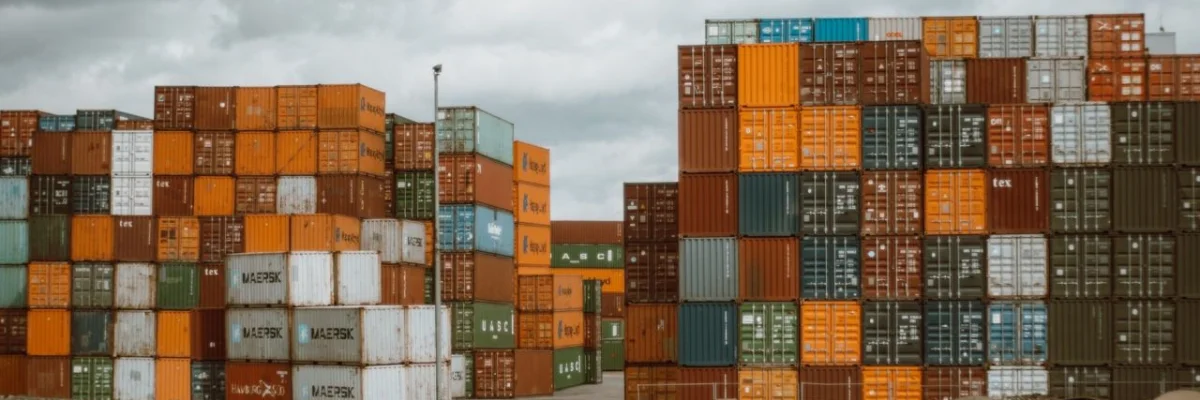
The global logistics landscape is undergoing a massive transformation as freight forwarders shift away from manual processes toward integrated digital ecosystems. To remain competitive, companies must leverage cloud based platforms that centralize data, enhance visibility, and eliminate communication bottlenecks. Modern operations require more than just spreadsheets to track shipments across complex international supply chains. By embracing automation and real time data analytics, forwarders can significantly reduce administrative overhead while improving the accuracy of documentation. This strategic transition is no longer a luxury but a fundamental necessity for businesses aiming to scale effectively and provide superior service levels in today's fast paced global trade environment.
Optimizing Shipment Visibility
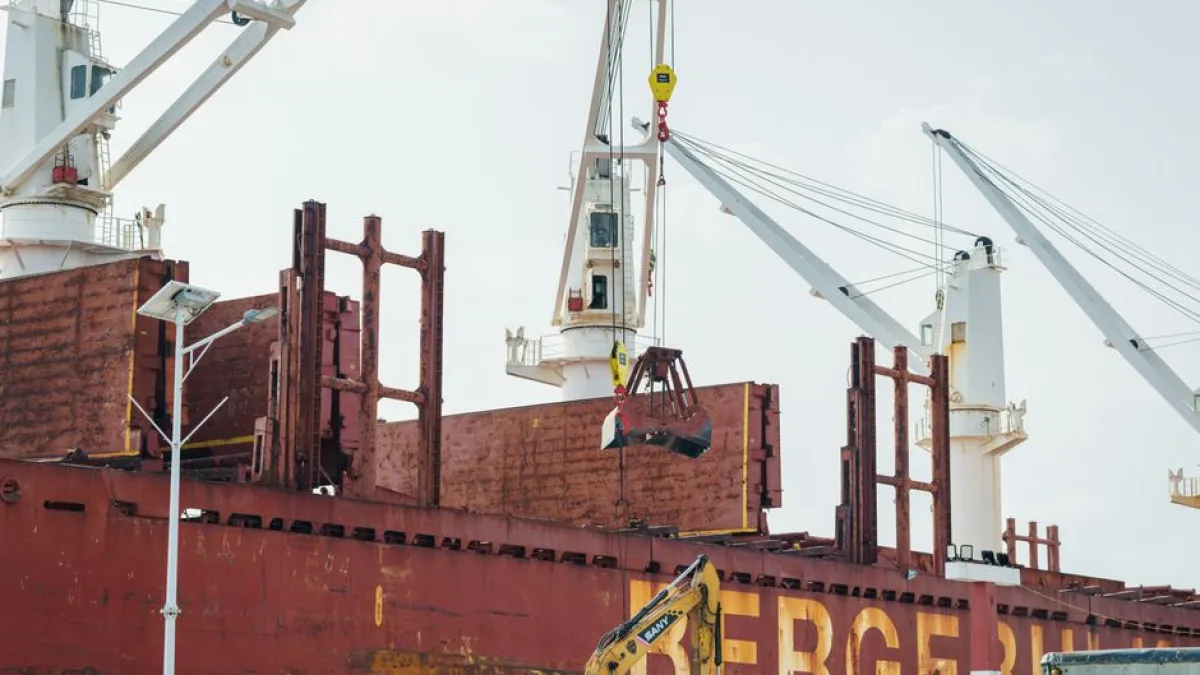
Real time tracking capabilities empower freight professionals to monitor the precise movement of goods from origin to destination. By maintaining constant oversight, teams can proactively manage exceptions and notify stakeholders before potential delays impact their business operations or supply chain schedules.
- Enhanced Data Accuracy: Digital platforms ensure that shipment data remains consistent across all departments, preventing costly manual entry errors and maintaining a single source of truth for every cargo movement.
- Proactive Exception Management: Automated alerts notify operations teams immediately when a shipment deviates from its planned path, allowing for swift corrective actions that maintain client trust and service quality.
- Streamlined Status Updates: Cloud based systems push real time notifications to clients automatically, significantly reducing the volume of inbound status inquiries handled by your customer support teams daily.
- Improved Carrier Coordination: Direct integration with transport carriers ensures that tracking information is updated instantly, removing the reliance on fragmented emails or outdated third party tracking websites.
Digital visibility transforms how your agency interacts with partners and customers alike. By providing a transparent window into the transit process, you build long term loyalty through reliability. Automated updates replace tedious manual reporting, freeing your staff to focus on higher value tasks like business development or solving complex logistical challenges that require human oversight, ultimately driving growth across your entire operational network.
Automating Documentation Processes

Managing bills of lading, commercial invoices, and customs declarations often leads to significant administrative burden. Automation tools simplify the generation and storage of critical shipping documents, ensuring compliance and speed while drastically reducing the time spent on repetitive manual tasks.
- Automated Document Generation: Intelligent software templates pull data directly from shipment records to generate precise shipping documents in seconds, eliminating the risk of human errors in documentation.
- Centralized Digital Storage: Secure cloud repositories ensure that every essential document is accessible from anywhere, providing a unified digital filing system that is audit ready at all times.
- Simplified Compliance Checks: Integrated systems run automated checks against global trade regulations to identify missing information or potential compliance risks before documents are submitted to customs authorities.
- Faster Approval Workflows: Digital signing tools and automated routing ensure that documents move through necessary approval stages without the common delays associated with traditional paper based signing processes.
Efficient documentation management is the backbone of successful freight forwarding operations. When you automate the repetitive aspects of filing and compliance, you minimize the risk of penalties and operational delays. This streamlined approach ensures that your team remains agile and compliant, allowing your agency to handle higher volumes of shipments without needing to increase the size of your administrative staff.
Enhancing Client Communication

Effective communication bridges the gap between complex logistical requirements and client expectations. Utilizing centralized communication portals keeps all stakeholders informed, ensuring that messages are not lost in cluttered email inboxes while providing a professional interface for all project updates.
- Unified Client Portals: Secure web interfaces allow your clients to view their shipment progress, download documents, and send inquiries directly through a professional dashboard tailored to their needs.
- Centralized Message History: Every interaction regarding a specific shipment is logged within the platform, providing a complete history that is accessible to any team member assisting that client.
- Instant Feedback Loops: Real time communication features enable your team to respond to urgent requests immediately, maintaining high standards of service even when dealing with complex international shipments.
- Customized Notification Preferences: Clients can choose exactly how and when they receive updates, ensuring that they get the information they need without being overwhelmed by unnecessary or irrelevant alerts.
When you provide clients with an intuitive digital portal, you fundamentally change the relationship dynamic from reactive to proactive. This level of transparency makes your agency an indispensable partner rather than just another service provider. By consolidating every conversation and document update in one place, you significantly reduce internal friction and ensure that every client interaction is managed with precision and clarity.
Leveraging Data Analytics

Data is the most valuable asset in modern freight forwarding. By analyzing performance metrics, forwarders can identify bottlenecks, negotiate better carrier rates, and optimize routes, transforming raw information into actionable strategies that improve overall profit margins and operational efficiency.
- Performance Trend Analysis: Advanced reporting tools identify recurring shipping patterns and potential delays, allowing management to make data driven decisions that improve long term logistics strategy and planning.
- Cost Management Insight: Detailed expenditure tracking helps identify areas where spending can be reduced, providing clear visibility into profit margins for every shipment managed by your operational team.
- Carrier Performance Tracking: Evaluating carrier reliability based on historical data enables your procurement team to select the most efficient partners for specific lanes, improving service quality and reliability.
- Resource Allocation Optimization: Analytical dashboards show which team members or departments are handling the highest volumes, helping you balance workloads effectively to maximize staff productivity and efficiency.
Data analytics turns historical shipment facts into a powerful engine for future success. By understanding where your operations excel and where they struggle, you can continuously refine your processes. This commitment to improvement ensures your business stays lean and profitable, giving you a distinct advantage in a crowded market where speed and accuracy define the leaders from the rest of the pack.
Conclusion

Modernizing your freight operations through integrated software is essential for long term success. By centralizing visibility, automating documentation, improving communication, and utilizing analytics, you create a robust foundation for scalable growth. Evaluate your current systems today to ensure your team is equipped with the tools necessary to compete in a digital world and start delivering superior service to your global clientele.