Mastering Digital Efficiency in Modern Freight Forwarding
Friday, August 21 2026
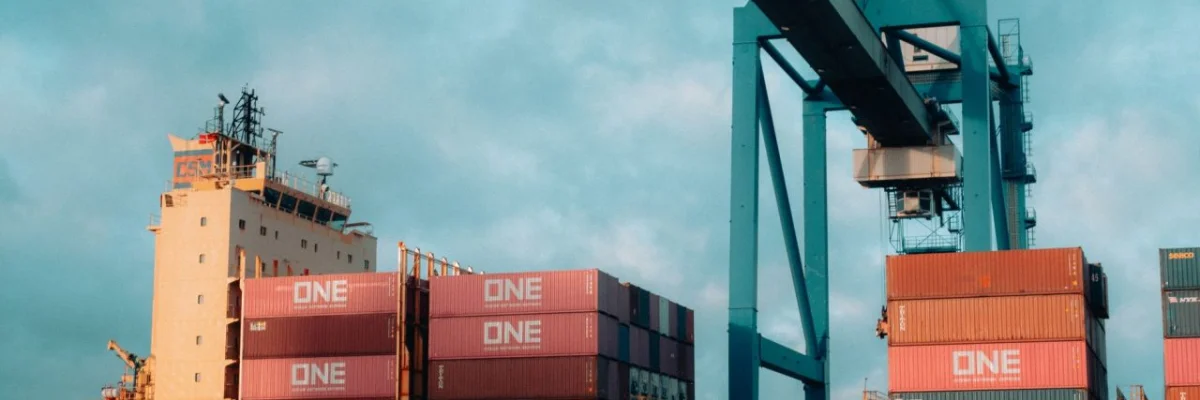
The global logistics landscape is undergoing a radical transformation as traditional manual processes give way to high speed digital solutions. Freight forwarders today face immense pressure to balance increasing volume with complex regulatory requirements and rising customer expectations for visibility. By leveraging cloud based platforms, logistics professionals can move beyond fragmented workflows to create a seamless operational environment. This shift not only reduces human error but also empowers teams to focus on high value tasks that drive sustainable growth. Embracing these technological advancements is no longer an optional strategy for those aiming to remain competitive in a crowded market.
Optimizing Shipment Tracking Visibility
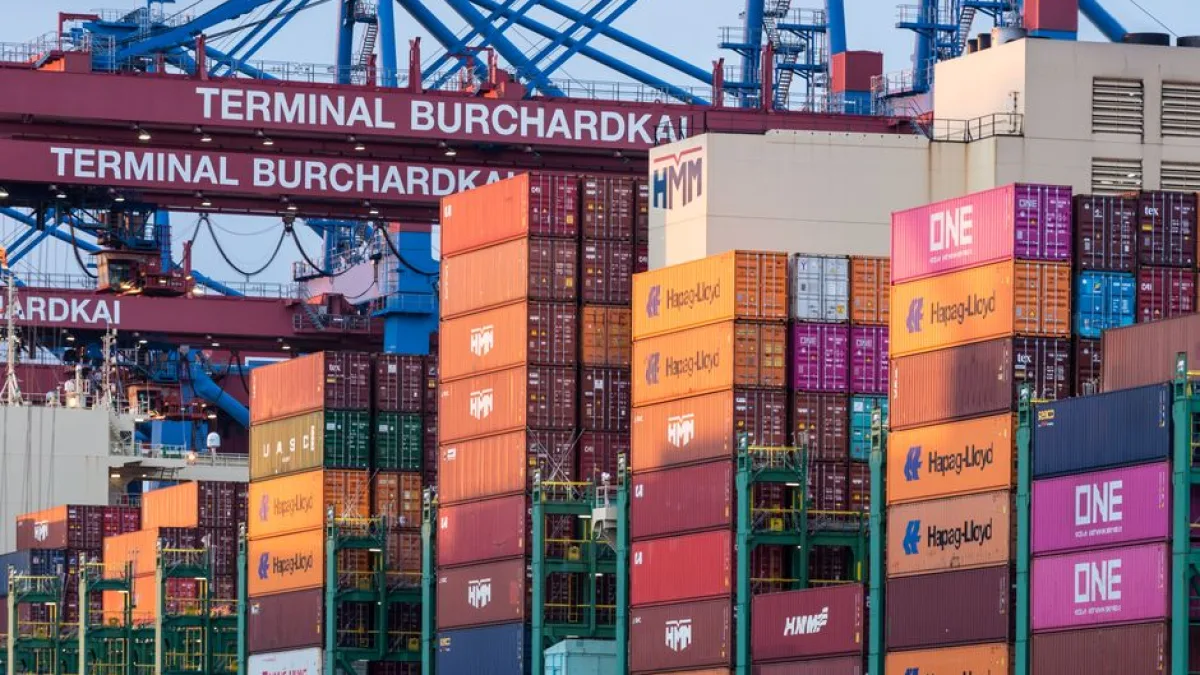
Real time tracking is the cornerstone of modern freight services as clients demand instant updates regarding their assets. Utilizing integrated software ensures that every stakeholder has access to precise data, effectively minimizing communication delays and reducing uncertainty during complex transit cycles.
- Automated status updates: Implementing automated notification triggers keeps customers informed throughout every milestone without requiring manual data entry from your staff, thereby increasing transparency and reducing overall inbound service queries.
- Centralized data access: Providing a single source of truth allows your entire team to view shipment progress simultaneously, which significantly reduces the risk of conflicting information between departments.
- Proactive anomaly detection: Advanced digital tools monitor transit milestones continuously to flag potential delays before they escalate, enabling your team to take corrective action before customers even notice.
- Client portal access: Offering a branded customer portal empowers shippers to track their own freight independently, freeing up your support personnel to handle more complex logistics challenges.
Adopting robust tracking solutions changes the customer experience from reactive to proactive. By giving clients the ability to see their cargo status at any moment, you build long term trust and loyalty. This transparency is a major differentiator in an industry where information asymmetry was once standard practice. Investing in these tools now ensures your firm remains a top choice for shippers worldwide.
Streamlining Documentation Workflow Processes

Manual document handling remains a significant bottleneck that drains resources and slows down critical logistics operations. By moving towards digitized workflows, forwarders can ensure accuracy, compliance, and speed, effectively transforming how business is conducted between international partners and regulatory authorities daily.
- Digital template creation: Standardizing your document generation with pre built templates ensures that every bill of lading or commercial invoice remains compliant with international trade laws and company branding.
- Secure cloud storage: Centralizing your critical documentation in a secure cloud environment eliminates the risk of losing physical paperwork while ensuring instant retrieval during sudden customs audits.
- Digital signature integration: Implementing electronic signature workflows speeds up the approval process significantly, allowing you to finalize agreements and shipping instructions with international partners in mere seconds.
- Automated error checking: Smart software identifies missing fields or conflicting data points within documents before they are submitted, preventing costly delays at customs and reducing administrative rework hours.
Digitizing your documentation is a strategic move that saves countless hours of tedious administrative labor. When documents flow smoothly between systems without human intervention, your operations gain significant momentum. This reliability prevents errors that typically lead to heavy fines or shipping delays. By prioritizing digital documentation, you create a scalable foundation that supports business growth without adding unnecessary overhead to your team.
Enhancing Vendor Communication Protocols

Effective collaboration with carriers and agents is essential for managing the intricate web of international logistics. Using dedicated communication platforms keeps all project participants aligned, ensuring that every link in the supply chain functions harmoniously to meet tight delivery deadlines successfully.
- Unified message threads: Consolidating conversations within a specific shipment profile prevents vital context from getting lost in overflowing email inboxes, ensuring that everyone remains on the same page.
- Instant file sharing: Securely sharing large transport documents or photos directly within the platform removes the limitations of email attachment sizes and improves security for sensitive trade data.
- Real time notifications: Setting up system alerts ensures that external agents are notified immediately when their input is required, drastically reducing turnaround times for critical shipment updates.
- Task management integration: Linking communication directly to specific tasks ensures that every discussion leads to measurable action, keeping project timelines moving forward without constant management oversight involved.
Stronger communication creates a more resilient supply chain. When you replace fragmented emails with structured platform interactions, you eliminate confusion and foster better partnerships with global agents. This structured approach allows you to resolve issues faster and improves the quality of service provided to your end customers. Building these digital bridges between stakeholders is essential for maintaining control over complex global routes.
Leveraging Data Analytics Insights

Data is the hidden asset of every freight forwarder, yet many firms fail to harvest it for strategic growth. Analyzing performance metrics allows leaders to identify inefficiencies, optimize route selections, and improve financial margins through informed, evidence based decision making processes.
- Performance KPI dashboards: Visualizing key performance indicators provides a clear overview of operational efficiency, helping you identify which lanes or carriers consistently meet your high quality standards.
- Financial reporting tools: Automating cost analysis reports allows you to track profitability per shipment, ensuring that pricing strategies remain competitive while maintaining healthy profit margins for business.
- Predictive trend analysis: Utilizing historical shipment data helps you anticipate seasonal demand surges, allowing for better capacity planning and negotiations with major carriers throughout the year.
- Carrier performance scoring: Rating carriers based on objective data points such as punctuality and damage rates enables you to make smarter procurement decisions for future shipping projects.
Data analytics shifts the burden of guesswork away from your management team. By having clear visibility into where your money goes and where delays occur, you can continuously improve your operations. This constant optimization cycle is what separates industry leaders from average players. Start using your own historical data today to build a smarter, more profitable future for your freight forwarding business.
Conclusion

Digital transformation is the most effective path forward for modern freight forwarders who want to scale their operations. By implementing cloud based tools to track shipments, manage documents, improve communication, and analyze data, you set your company apart from traditional competitors. Start optimizing your workflow with MakeCargo today to ensure your team is equipped with the best technology to handle global logistics demands effectively.