Mastering Digital Efficiency in Modern Freight Forwarding
Wednesday, September 2 2026
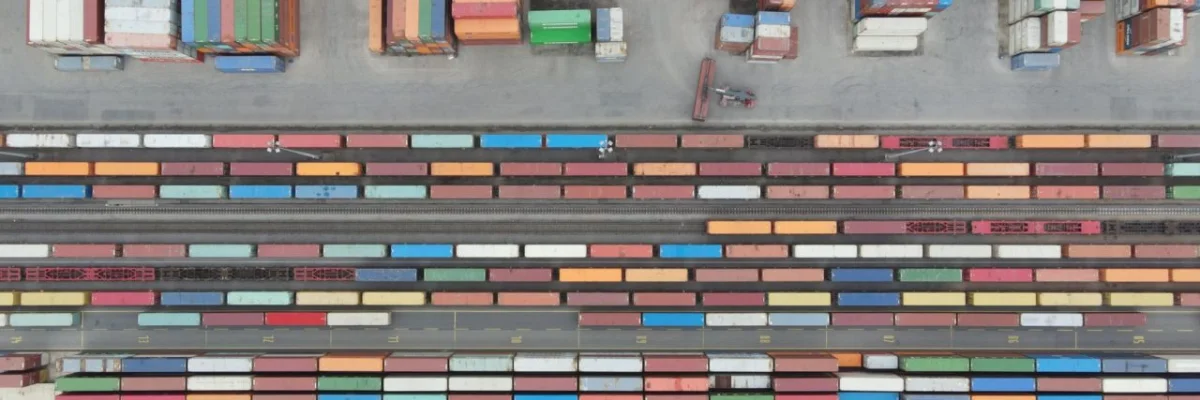
The global logistics landscape is undergoing a massive transformation driven by rapid technological adoption and changing client expectations. For freight forwarders, staying competitive requires more than just moving goods from point A to point B. It demands a sophisticated approach to data management, real-time visibility, and process automation to remain agile in a volatile market. By leveraging cloud-based platforms, forwarders can strip away manual bottlenecks that drain productivity and impact profitability. This guide outlines essential strategies to streamline operations, enhance communication with stakeholders, and ultimately position your business for long-term growth and success in an increasingly crowded international marketplace.
Automating Your Documentation Workflow

Manual entry and paper-based filing systems often create significant delays in processing critical shipping documents. Transitioning to an automated documentation workflow reduces human error, accelerates customs clearance times, and ensures that every piece of compliance data remains secure and accessible for stakeholders.
- Eliminate manual entry: Automating data extraction from bills of lading or commercial invoices saves hundreds of hours annually while preventing costly typos that lead to customs holds at borders.
- Centralize document storage: Keeping all shipping files in a secure cloud repository allows your team to access vital information instantly, regardless of their physical office location or time zone.
- Standardize validation steps: Implementing automated validation rules ensures that every document meets local regulatory requirements before submission, significantly reducing the frequency of rejections from port authority scanning systems.
- Automate notification triggers: Configure your software to send automatic alerts to clients whenever a new document is uploaded, keeping communication transparent and reducing inbound status update inquiries constantly.
- Audit trail transparency: Every document edit leaves a digital footprint, providing your team with full visibility into who modified specific records, which is essential for maintaining strict compliance standards.
By shifting away from legacy paper processes, forwarders gain a substantial advantage in speed and reliability. Automation tools do not just save time, they empower your staff to focus on solving complex logistical challenges instead of typing data into spreadsheets. Start auditing your most time-consuming manual tasks today to identify where intelligent automation can begin delivering immediate efficiency gains for your entire logistics operation.
Optimizing Real-Time Shipment Tracking
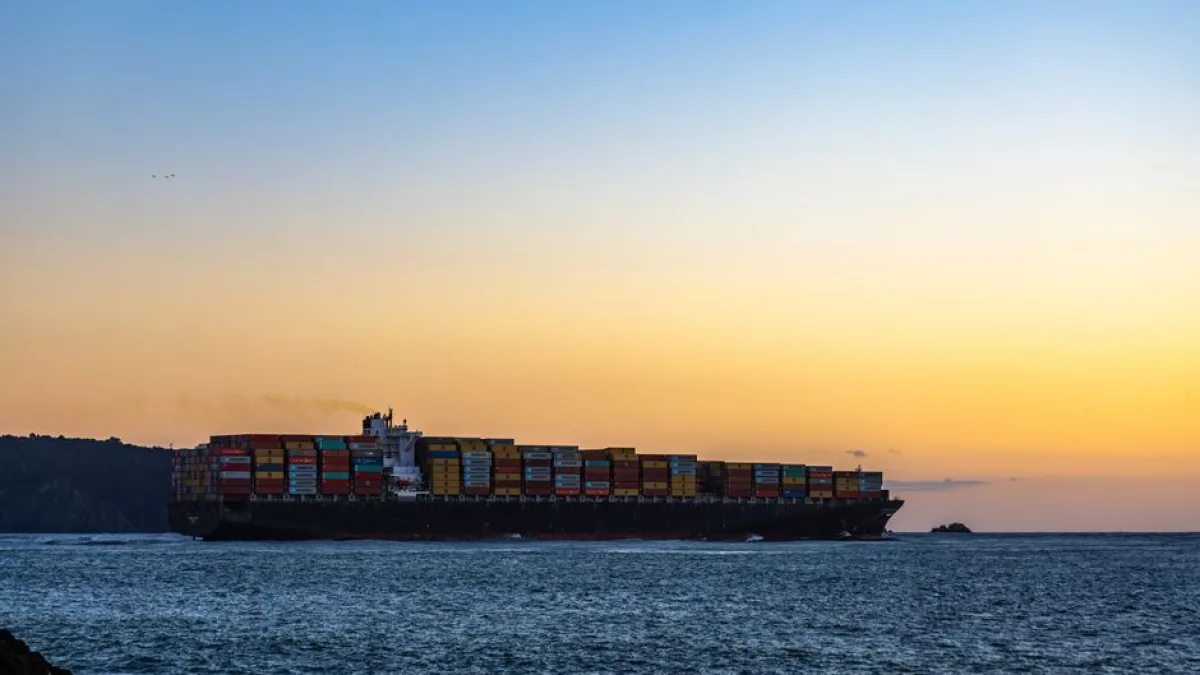
Modern clients demand instant visibility regarding their cargo status at every stage of the transit journey. Providing accurate tracking updates requires integrating your operational software with carrier portals to ensure that live data is always visible to your customers.
- Integrate carrier APIs: Connecting your freight platform directly with carrier systems provides live updates on vessel positions and arrival times without the need for manual status checking cycles.
- Proactive anomaly alerts: Configure automated triggers that notify your team immediately when a container is delayed or routed incorrectly, allowing you to inform customers before they even ask.
- Customer dashboard access: Providing clients with a branded portal where they can view real-time maps and milestone updates fosters immense trust and reduces your team's administrative burden.
- Improve data accuracy: Automated data feeds reduce the likelihood of outdated or incorrect status reports, ensuring that your communication remains consistent and professional throughout the entire shipping process.
- Enhance operational planning: Seeing the entire supply chain flow in one screen enables your logistics coordinators to optimize routing decisions based on live global shipping trends.
Delivering exceptional shipment visibility is a key differentiator in today's competitive logistics environment. By offering a digital tracking experience that updates automatically, you effectively minimize the time spent on status inquiry emails and phone calls. This transition allows your team to manage more shipments with the same amount of resources, proving that better visibility is a direct driver of company scalability.
Strengthening Carrier and Partner Relations

Building strong, collaborative relationships with carriers and local agents is vital for securing competitive rates and reliable space. Using shared digital platforms facilitates seamless communication, making you an easier partner to work with when supply chains face intense pressure or disruptions.
- Shared communication hubs: Utilizing a unified platform for messaging and file sharing keeps all partners aligned on specific shipment details, preventing misunderstandings that typically arise from fragmented email chains.
- Performance tracking metrics: Consistently monitoring the performance of your agents allows you to identify top performers and resolve recurring issues quickly, ensuring high service standards for your clients.
- Streamlined booking requests: Standardized digital booking templates ensure that carriers receive clear and accurate information, which results in faster confirmation times for your urgent air or ocean freight.
- Contract management tools: Digitally tracking carrier agreements and expiry dates helps you manage costs effectively while ensuring that you always have access to the best market rates.
- Transparent dispute resolution: Documenting every interaction within the shipment file provides a clear history that helps resolve billing or operational disputes between agents and clients much faster.
When you provide partners with a structured and efficient way to interact with your firm, you become their preferred choice for future cooperation. Digital connectivity creates a professional environment where logistics operations run smoothly and disputes are rare. Cultivate these digital relationships to build a resilient network that supports your growth strategies even during the most difficult seasons in global shipping.
Ensuring Robust Data Security

As the freight industry adopts more cloud technology, safeguarding sensitive cargo data and client information has become a top priority. Implementing strong security protocols protects your business from cyber threats and helps you meet international data protection regulations while building client trust.
- Role based access: Assigning specific permissions to employees ensures that sensitive financial or contact information is only visible to those who need it for their daily work functions.
- Regular system backups: Automated daily backups guarantee that your critical business data is never lost, allowing for rapid recovery in the event of hardware failure or software issues.
- Secure document encryption: Utilizing industry standard encryption for all stored files and outgoing communications protects private information from unauthorized access during data transit or while at rest.
- Vendor compliance checks: Only work with software partners that maintain verified security certifications, such as SOC2, to ensure your platforms meet rigorous global standards for digital data safety.
- Employee security training: Teaching your staff to recognize common phishing attempts is an essential layer of protection that prevents unauthorized intruders from accessing your private company information systems.
Protecting your digital assets is a non-negotiable requirement for forwarders operating in a global market. By investing in modern security architecture, you provide your clients with peace of mind that their business intelligence is handled with the highest level of professional care. Treat your security strategy as a critical foundation for growth, enabling your business to handle larger contracts with complete confidence.
Conclusion

Digital transformation is the most important step for freight forwarders aiming to survive and thrive in the modern era. By automating manual work, improving visibility, and prioritizing security, you create a scalable platform that serves your clients better while increasing your own profitability. Embrace these technological shifts today to ensure your company remains a leader in the fast-paced global logistics industry.