Mastering Digital Efficiency in Modern Freight Forwarding
Thursday, September 10 2026
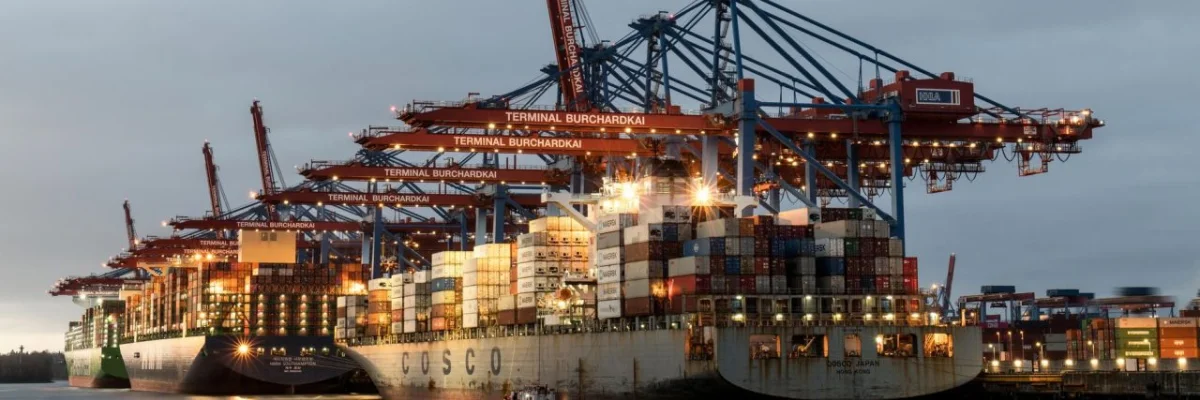
The global logistics landscape is undergoing a massive transformation driven by rapid technological advancements and rising customer demands. As freight forwarders manage increasingly complex supply chains, the necessity for agile software solutions has never been higher. Transitioning from legacy systems to cloud based platforms allows teams to synchronize data across borders with unprecedented speed. By adopting modern digital practices, forwarders can mitigate operational risks and improve visibility for their global partners. Embracing these systemic changes is no longer a luxury but a fundamental requirement for staying competitive in a world that requires real time accuracy and constant connectivity.
Streamlining Documentation Workflows

Automating your manual document processing is the most effective way to eliminate errors and save hundreds of hours annually. Digital management tools ensure that shipping instructions and customs declarations are accurate and compliant with the latest global trade requirements today.
- Automated Data Entry: Implement smart character recognition software to capture invoice details directly, reducing the risk of human error and saving valuable time for your logistics team every day.
- Centralized Cloud Storage: Maintain a single source of truth by hosting all shipping documentation in a secure cloud repository accessible to authorized partners across the globe instantly.
- Compliance Tracking Alerts: Set automated triggers that notify your compliance officers when documentation nears expiration, ensuring your firm avoids costly penalties and delays during the clearance process.
- Instant Retrieval Systems: Index your historical shipping data with intuitive tagging systems so your staff can locate specific airway bills or manifests in seconds instead of hours.
- Paperless Workflow Integration: Connect your digital filing system directly to client portals to allow for seamless document exchange that reduces printing costs and environmental footprint impact effectively.
By moving away from physical paperwork, you create a more resilient foundation for your forwarding business. Digital integration allows your team to focus on strategic client growth rather than chasing misplaced files. These efficient workflows contribute to higher profitability and improved job satisfaction, as employees spend less time on mundane administrative chores and more time delivering value to the complex logistics challenges your clients face.
Enhancing Real Time Visibility

Providing clients with live updates regarding their shipments is essential for building long term trust and loyalty in the industry. Advanced tracking modules enable transparent reporting throughout the entire freight journey, from origin warehouse to the final destination point.
- Live Tracking Dashboards: Provide clients with a personalized dashboard view that displays the current status and GPS location of their freight across multiple transport modes globally.
- Automated Status Updates: Configure email or SMS notifications that keep all stakeholders informed whenever a shipment hits a specific milestone or experiences an unexpected transit delay.
- Exception Management Alerts: Detect potential disruptions early by using intelligent monitoring tools that flag shipments requiring immediate intervention from your experienced customer support service teams today.
- Data Driven Analytics: Utilize integrated reporting tools to visualize transit times and carrier performance metrics, which helps in identifying bottlenecks within your current logistics network infrastructure.
- Client Portal Integration: Offer a branded web interface where customers can download proof of delivery documents and track financial balances without contacting your support desk.
Transparency has become a critical differentiator in a crowded market where speed and reliability are highly valued. When clients receive proactive updates, they feel more in control of their own supply chains. This level of service minimizes unnecessary inquiries and fosters deeper professional relationships, turning a standard transactional business model into a value added partnership that lasts for many successful years.
Optimizing Carrier Management

Managing multiple carrier relationships requires a sophisticated approach to avoid communication breakdowns and capacity issues. A centralized platform helps you compare rates and transit times side by side to ensure the best possible outcome for customers.
- Automated Rate Requests: Deploy digital tools that broadcast rate inquiries to your carrier network simultaneously, allowing you to secure competitive quotes in just a few minutes.
- Carrier Scorecard Tracking: Maintain detailed performance logs to monitor on time arrivals and claim frequency, helping you choose the most reliable partners for your specific routes.
- Capacity Planning Tools: Predict future freight volume trends using historical data to negotiate better space allocations with your primary shipping lines during peak trade seasons.
- Integrated Messaging Systems: Use a unified communication interface that records all negotiations and updates within the system, ensuring that critical information never gets lost in emails.
- Unified Billing Interfaces: Sync your carrier invoices with your internal accounting software to streamline the reconciliation process and avoid duplicate payments for the same shipments.
Efficiency in carrier management directly correlates to your bottom line results. When you have clear oversight of your partners, you can negotiate better terms and handle capacity shortages with more confidence. This strategic control enables your company to maintain consistent service levels regardless of external market fluctuations or unforeseen global supply chain disruptions that often plague traditional freight forwarder operations today.
Scaling Through Cloud Automation

As your forwarding business grows, legacy systems often struggle to keep pace with higher transactional volumes and increased complexity. Cloud based software provides the scalability needed to handle international expansion without requiring massive infrastructure investments or constant maintenance.
- Flexible User Access: Enable your remote teams and international branches to access the core platform from anywhere in the world using only a secure internet connection.
- System Interoperability Features: Connect your forwarding software with third party accounting or CRM platforms via secure APIs to ensure consistent data flows across your organization.
- Frequent Software Updates: Benefit from automatic feature improvements and security patches delivered by your service provider, ensuring your business always operates on the latest version.
- Secure Data Backups: Protect your sensitive shipment data against cyber threats through automated daily backups hosted on robust cloud infrastructure with advanced military grade encryption.
- Customizable Reporting Modules: Generate specific financial or operational reports on demand to help your management team make informed decisions based on accurate and current metrics.
Scalability ensures that your operations can grow alongside your success. Cloud technology removes the barriers of local server limitations, allowing your team to handle larger volumes while maintaining a high level of service quality. By standardizing processes through automation, you reduce the training period for new employees and ensure a consistent customer experience across every single office location you operate globally.
Conclusion

Leveraging modern technology is the key to thriving as a professional freight forwarder. By focusing on documentation efficiency, visibility, carrier relations, and scalable cloud systems, you position your firm for sustainable growth. Start small by digitizing one core process and expand your capabilities as your team adapts. Constant improvement in these areas will yield significant competitive advantages for your logistics business.