Mastering Digital Efficiency in Modern Freight Forwarding
Tuesday, September 15 2026
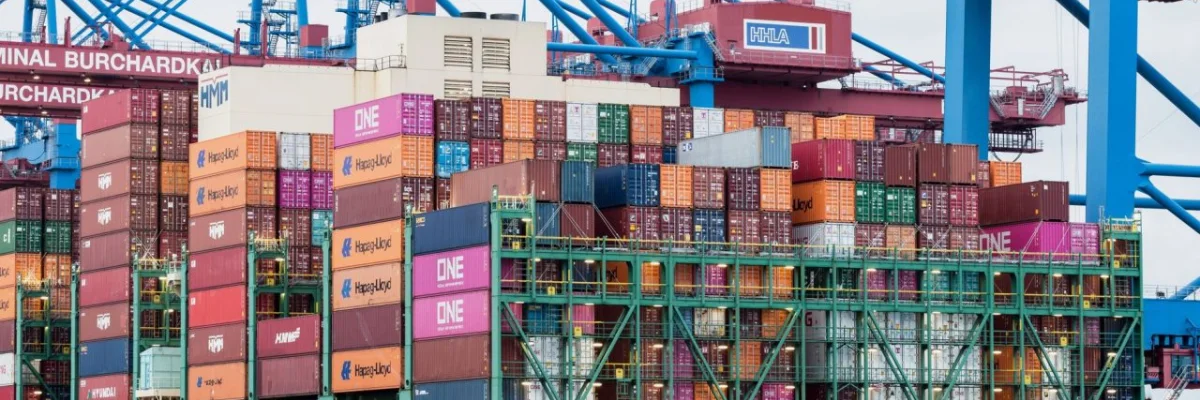
The global logistics landscape is undergoing a massive transformation driven by rapid technological advancements and increasing client expectations for real-time visibility. Freight forwarders are no longer just movers of goods but vital orchestrators of complex supply chains that require precision and speed. Navigating these challenges effectively demands a strategic approach to digital adoption that minimizes manual labor while maximizing operational transparency. By leveraging cloud-based platforms, forwarders can break down data silos and foster seamless collaboration across teams. Adopting these best practices empowers your agency to remain competitive, reduce costly errors, and build lasting trust with your diverse customer base during this era.
Automate Routine Operations

Manual data entry is a significant drain on productivity that often leads to avoidable human errors. By automating repetitive tasks such as booking requests and document generation, your team can focus on solving complex logistical problems rather than managing paper trails.
- Reduce manual errors: Implementing automated validation rules ensures that every shipping document is accurate before it enters your system, which prevents costly delays at customs and transit entry points.
- Boost team productivity: Shifting your workforce away from data entry allows them to focus on high-value client communication, strategic planning, and building deeper relationships with your core logistics partners.
- Faster booking cycles: Automated workflows accelerate the communication loop between clients and carriers, enabling your team to process quotes and confirm shipments significantly faster than traditional manual processing methods allow.
- Real-time data flow: Centralized digital platforms automatically synchronize shipment status updates across all modules, ensuring that every stakeholder receives consistent and updated information without any manual intervention or status requests.
Transitioning toward full automation requires a cultural shift within your organization that prioritizes digital literacy. When your team embraces software solutions, they gain more time to deliver exceptional customer service. As your operations become more streamlined, you will notice a decrease in administrative overhead and a noticeable uptick in overall shipment throughput, allowing your business to scale operations without necessarily increasing headcount right away.
Enhance Supply Chain Visibility
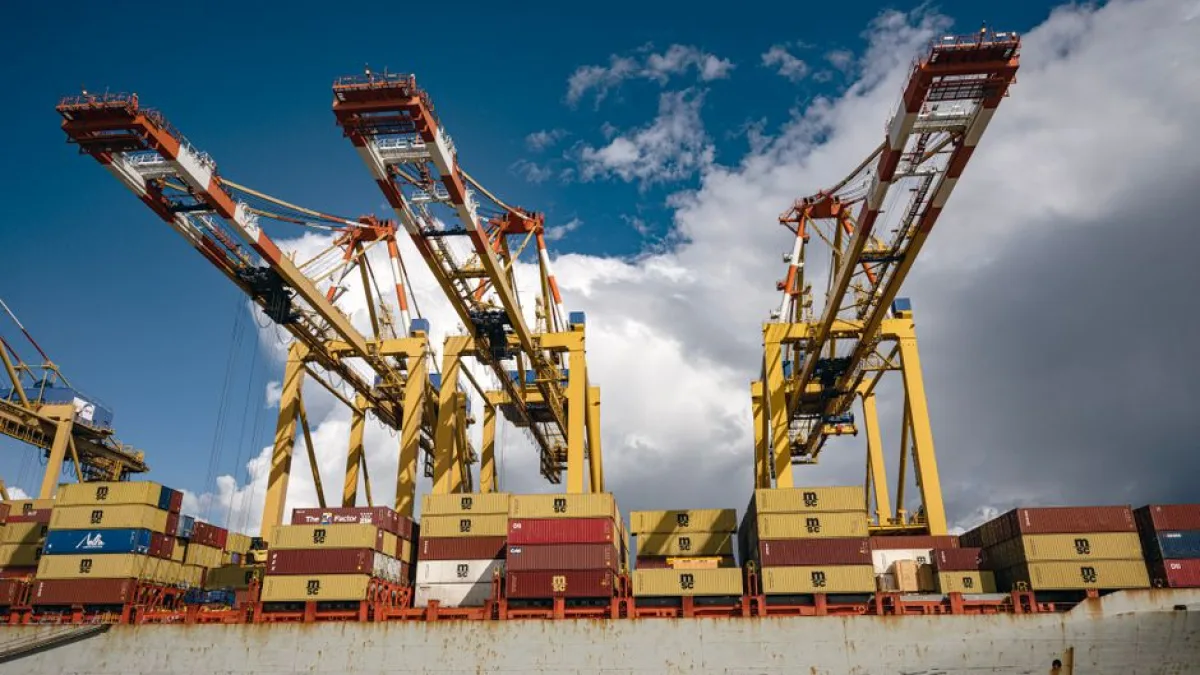
Transparency is the most requested feature from modern shippers who need to know exactly where their cargo sits at all times. Providing a unified dashboard for tracking provides immense value and eliminates the need for constant status check emails.
- Live tracking portals: Give your clients a secure login to view their current shipment status, which reduces inbound inquiries and builds confidence through transparent and accessible information flows.
- Proactive anomaly alerts: Set up automated notifications that inform both your team and your clients about unexpected delays, enabling faster problem-solving before those minor issues escalate into disasters.
- Improved partner collaboration: Digital platforms allow carriers and agents to share updates directly into your system, providing you with a single source of truth for every transit phase.
- Data-driven decision making: Access to historical transit data helps you identify bottlenecks or inefficient routes, allowing you to optimize future shipping strategies based on actual performance metrics instead.
Visibility goes beyond just knowing the location of a vessel or a truck on a map. It includes access to all associated documents, customs clearance statuses, and financial records in one centralized location. When you provide this depth of information, you demonstrate professional reliability that encourages client loyalty. Empower your customers with the data they need to manage their own internal operations effectively.
Optimize Documentation Workflows

Digital documentation management is essential for maintaining compliance and speed in today's fast-paced freight industry. Moving away from physical filing cabinets to secure cloud storage ensures that documents remain accessible, searchable, and safe from potential physical loss or damage.
- Secure cloud storage: Centralizing your files in the cloud ensures that your documentation is always available to authorized users, no matter their physical location or the time zone.
- Efficient document retrieval: Intelligent search features allow your team to locate specific commercial invoices or bills of lading in seconds, drastically cutting down time spent searching through folders.
- Regulatory compliance tracking: Automated systems can flag missing required documents or expiring certificates, ensuring that your shipments always meet the necessary legal requirements for international trade compliance and safety.
- Version control systems: Maintain absolute accuracy by using digital versioning, which ensures your team always works with the latest iteration of a document, avoiding confusion and expensive shipment mistakes.
Efficient documentation is the backbone of successful international freight forwarding operations. When every invoice, certificate of origin, and bill of lading is organized digitally, your business becomes more resilient to audits and internal errors. Investing in robust document management software not only saves office space but also significantly improves the speed at which your company can process complex customs clearances and documentation tasks.
Strengthen Client Communication

Building strong relationships with your clients relies on consistent, clear, and proactive communication channels. Using digital tools to facilitate this engagement ensures that no message is ever lost and that all interactions are professional, documented, and easy to review later.
- Centralized communication logs: Keep every email and internal note linked directly to the specific shipment record, allowing anyone on your team to provide support without needing context.
- Automated status updates: Configure your software to send regular status reports to your clients, which demonstrates your commitment to quality service and maintains continuous, professional engagement levels.
- Unified client platform: Encourage clients to submit requests through a dedicated portal to ensure all necessary data is collected upfront, reducing the need for lengthy back-and-forth email chains.
- Personalized service delivery: Digital systems store preferences and historical contact details, enabling your team to offer tailored service that anticipates client needs and highlights your firm's professional expertise.
Effective communication is what separates top-tier freight forwarders from the rest of the market. When you utilize technology to keep your clients informed and engaged, you foster trust that leads to long-term partnerships. Aim to be the forwarder that provides clarity and confidence through every stage of the shipment lifecycle, ensuring your clients feel supported and valued regardless of the global situation.
Conclusion

Implementing digital best practices is essential for any modern freight forwarder looking to scale efficiently and maintain high service standards. By automating routine tasks, improving supply chain visibility, organizing documentation, and strengthening client communications, your agency will thrive in a competitive market. Start optimizing your operations today with MakeCargo to ensure your business remains at the forefront of the global logistics industry's future.