Mastering Digital Efficiency in Modern Freight Forwarding
Thursday, September 17 2026
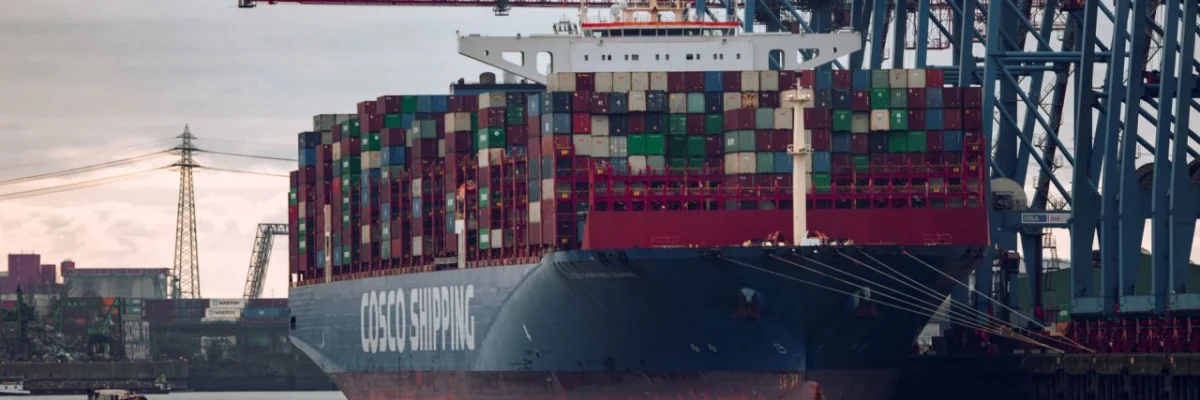
The global logistics landscape is undergoing a massive transformation driven by rapid technological advancements and increasing demands for supply chain transparency. For modern freight forwarders, the ability to pivot from manual, paper-heavy workflows to automated cloud-based solutions is no longer a luxury but a fundamental necessity for survival. By embracing digital integration, forwarders can significantly reduce human error, enhance communication between stakeholders, and ultimately provide a superior customer experience. This article explores essential best practices that empower logistics professionals to stay competitive in an ever-evolving international trade environment while maximizing operational efficiency and reducing long-term costs across their entire network.
Optimizing Shipment Documentation Processes

Streamlining the documentation phase is critical for reducing delays at customs and ensuring seamless cargo transit. By shifting to digital document management, freight forwarders can eliminate physical filing errors and guarantee that every stakeholder has access to updated versions in real time.
- Centralized data access: Creating a single source of truth allows your team to retrieve vital shipping documents instantly, preventing the common bottlenecks associated with searching through fragmented physical or digital folders.
- Automated data entry: Utilizing optical character recognition technology minimizes manual typing errors, ensuring that bills of lading and commercial invoices are processed with high precision for international customs compliance.
- Secure document sharing: Cloud-based platforms provide encrypted environments for sharing sensitive client information, protecting your organization from data breaches while ensuring partners receive documents without delay or risk of corruption.
- Real-time status updates: Automatically triggered notifications keep your clients informed about their document status, which builds trust and reduces the volume of repetitive status check inquiries reaching your support desk.
Adopting these digital documentation strategies transforms how your team handles the heavy administrative burden of logistics. When paperwork moves as quickly as your cargo, you reduce transit times and improve overall accuracy. Forwarders who invest in these automated systems find themselves spending significantly less time on manual data tasks and more time on high-level strategic activities that drive sustainable business growth and client retention.
Enhancing Real-Time Cargo Visibility
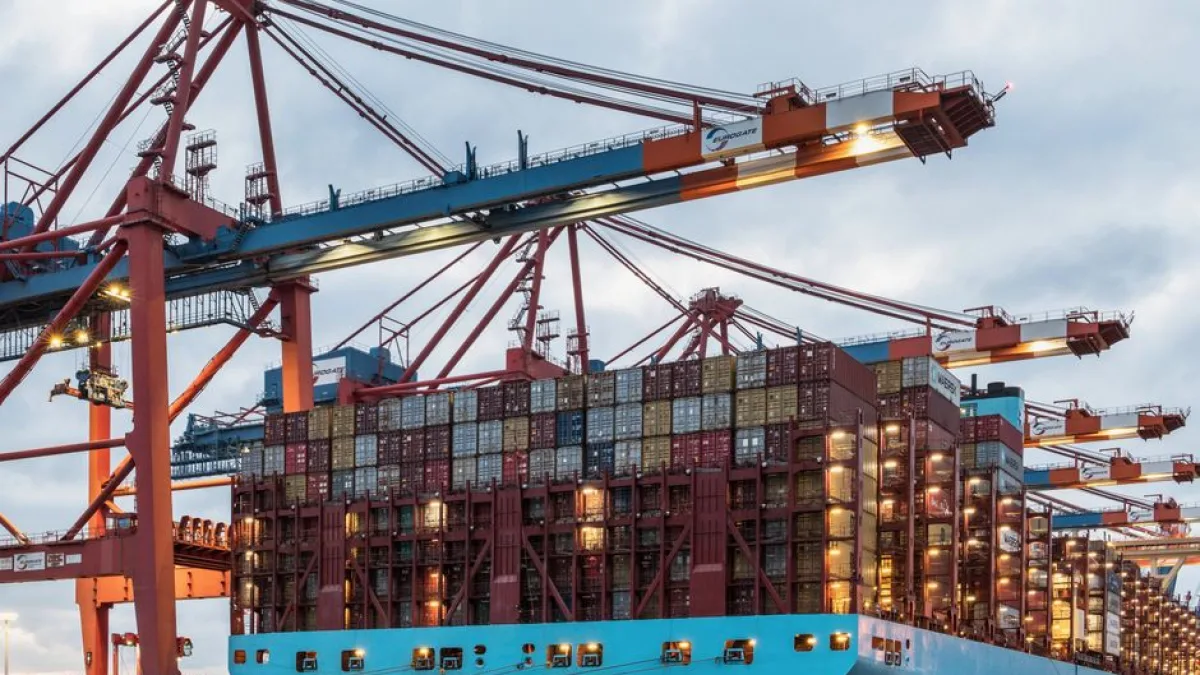
Providing clients with live updates on their shipments is a vital differentiator in today's market. Integrated visibility tools empower your team to proactively resolve disruptions before they escalate into major customer service issues or significant financial losses for your valued business partners.
- Live GPS tracking: Integrating satellite-based monitoring systems allows you to provide precise location data for shipments moving via ocean or road, giving clients peace of mind and operational clarity.
- Proactive anomaly alerts: Smart systems can detect deviations from established schedules, allowing your logistics coordinators to notify clients immediately and suggest alternative routing options to mitigate potential supply chain delays.
- Transparency for clients: Granting customers access to their own dashboard fosters a sense of empowerment, reducing their reliance on phone calls and email threads for basic status reports.
- Operational incident management: When visibility tools pinpoint a delay at a specific hub, your team can quickly allocate resources to solve the problem, maintaining your reputation for reliability.
Superior visibility is the cornerstone of modern logistics excellence because it creates a transparent environment for everyone involved. When your clients know exactly where their cargo is located, their confidence in your services grows exponentially. By leveraging these tools, you turn a complex logistical process into a predictable, manageable, and highly satisfactory experience that keeps your clients coming back to your brand.
Standardizing Communication Channels
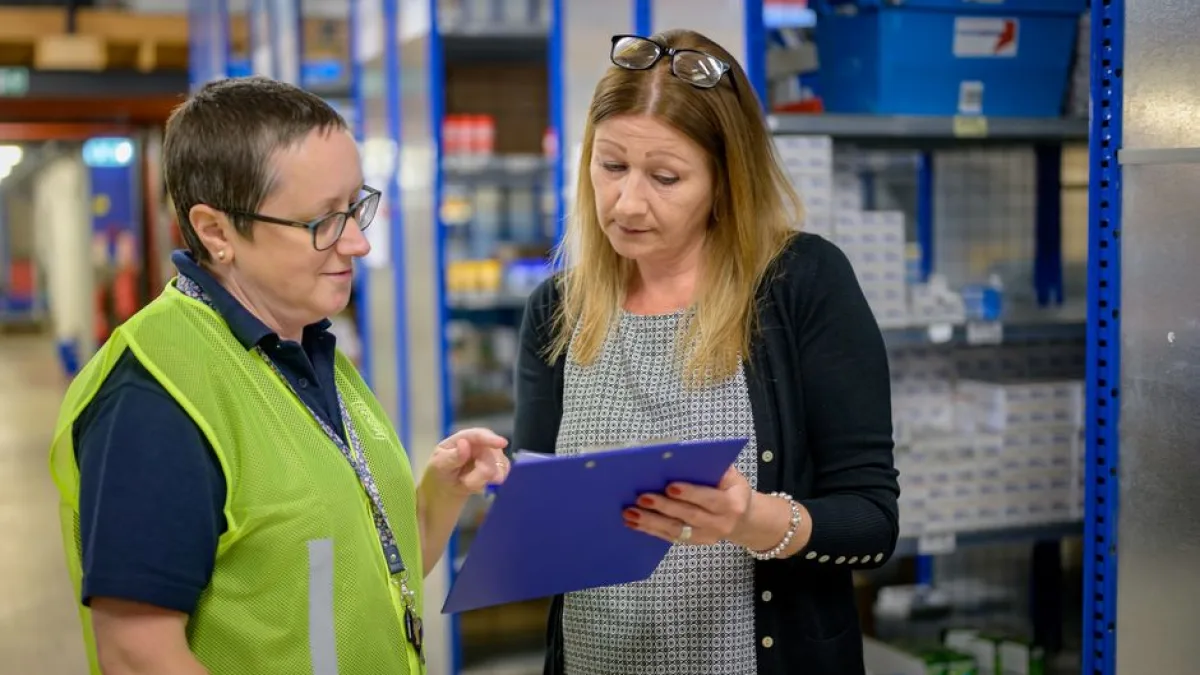
Clear communication is the heartbeat of a successful freight forwarding operation, yet many firms rely on chaotic email chains. Standardizing how your team interacts with carriers, agents, and customers is the most effective way to prevent costly miscommunications throughout the shipping cycle.
- Unified message logs: Storing every correspondence within the freight management software ensures that no vital piece of information is lost when team members transition or work remotely on projects.
- Structured internal notes: Using standardized internal messaging templates ensures that every team member understands exactly what is required at each stage of a shipment without needing extra clarification.
- Automated partner notifications: Systems that trigger messages based on shipment milestones ensure your overseas agents are constantly aware of their responsibilities, reducing the need for constant follow-up emails.
- Clear audit trails: Keeping communication logs associated with specific jobs provides essential documentation for dispute resolution and helps your team review past performance to improve future shipping workflows.
When you unify your communication channels, you effectively eliminate the confusion and fragmentation that typically plague logistics operations. This structured approach saves hours of wasted time every single week. By investing in standardized workflows, you ensure that your team works cohesively, allowing for faster problem resolution and a more professional external image that resonates with sophisticated global clients who expect efficient performance.
Leveraging Advanced Data Analytics

Data is the most valuable asset in modern logistics, yet it remains largely untapped by traditional firms. Transforming raw shipping data into actionable insights helps leadership teams identify inefficiencies, negotiate better carrier rates, and optimize overall logistics performance through informed, evidence-based strategic decision-making.
- Performance metric tracking: Regularly analyzing KPIs such as transit times and carrier reliability allows your company to drop underperforming vendors and focus resources on partners that deliver consistent value.
- Financial trend analysis: Identifying patterns in shipping costs helps you anticipate seasonal fluctuations and adjust your pricing strategies to remain competitive while maintaining healthy profit margins during peaks.
- Customer behavior insights: Tracking which services are most requested by your clients allows you to refine your product offerings and tailor your marketing efforts to meet actual market demands.
- Resource allocation planning: Using predictive modeling based on historical data helps you prepare for busy periods, ensuring you have the necessary staff and capacity to handle increased shipping volumes.
Data analytics is no longer just for massive conglomerates with huge budgets. Even small to medium sized freight forwarders can gain a competitive edge by simply tracking key performance indicators. By using your own operational data to guide future business decisions, you will transform your approach to logistics from reactive to proactive, ensuring long-term profitability and a resilient supply chain strategy.
Conclusion

Mastering these best practices is essential for any freight forwarder aiming to thrive in a digital-first global economy. By focusing on documentation efficiency, visibility, communication, and data, your company can build a sustainable competitive advantage. Start implementing these digital strategies within your organization today to streamline operations, lower your operating costs, and deliver the high level of service that your clients rightfully demand.