Mastering Digital Efficiency in Modern Freight Forwarding
Sunday, October 11 2026

The global logistics landscape is evolving at an unprecedented pace, demanding that freight forwarders shed outdated manual processes in favor of modern digital solutions. As supply chain complexities grow, the need for real-time visibility, automated documentation, and seamless communication between stakeholders becomes critical for maintaining a competitive edge. By embracing advanced cloud-based platforms, logistics professionals can reduce operational bottlenecks, minimize human error, and provide superior service levels to their clients. Transitioning to a digital-first strategy is no longer just an optional improvement for forward-thinking companies; it is the absolute foundation for scaling operations and achieving long-term profitability in today's demanding market.
Optimizing Workflow Automation
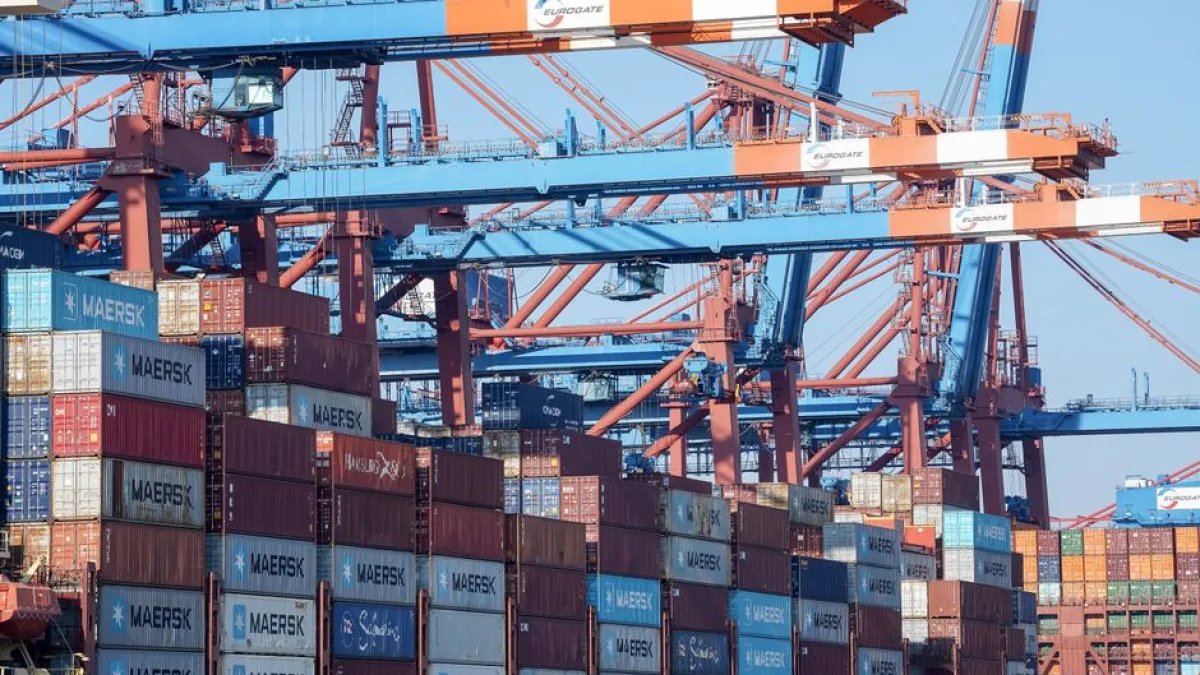
Automating repetitive administrative tasks allows your team to focus on high-value strategy rather than data entry. Integrating smart software into your daily operations ensures that every shipment is tracked accurately without the constant need for manual updates or repetitive phone calls.
- Automated Documentation Generation: Digital platforms generate essential shipping documents instantly, reducing clerical errors and saving hours of manual labor while ensuring all customs paperwork remains fully compliant with international trade regulations.
- Streamlined Data Entry: Cloud-based systems eliminate the need for redundant data entry by syncing information across all departments, which prevents costly mistakes and speeds up the entire booking process.
- Real-time Status Alerts: Automated notifications keep your customers informed about shipment milestones as they happen, significantly reducing the volume of inbound inquiries your customer service team must handle.
- Integrated Accounting Tools: Seamlessly connect your freight operations with invoicing modules to ensure faster billing cycles, better cash flow management, and accurate financial reporting for your entire logistics business.
Adopting automated workflows transforms how your office functions by removing the friction caused by disjointed systems and paper files. When your team stops spending their day chasing status updates or correcting formatting errors, they can dedicate their time to building stronger client relationships and solving complex logistics problems. This shift in focus is essential for scaling your business effectively in a busy market.
Enhancing Real-time Shipment Visibility

Providing customers with live updates on their cargo status has become the new standard in global shipping. Reliable visibility tools enable you to proactively address potential delays and manage expectations with transparency, fostering greater trust between forwarders and cargo owners.
- Live GPS Tracking: Integrate live tracking data directly into your platform so clients can monitor their shipments across land, sea, and air from one single, user-friendly interface.
- Predictive Delay Analytics: Advanced software tools identify potential port congestion or weather disruptions before they impact your schedule, allowing you to re-route cargo proactively to avoid major logistical failures.
- Interactive Client Dashboards: Provide custom dashboards where shippers can view their inventory levels and shipping status, giving them the transparency they require to manage their own supply chains efficiently.
- Automated Exception Reporting: Receive instant alerts when a shipment deviates from its planned path, enabling your staff to intervene quickly and resolve issues before they become full blown problems.
Visibility serves as the backbone of modern customer service in the freight forwarding industry. When clients can see the journey of their goods in real-time, their anxiety regarding transit times vanishes. Furthermore, having a clear view of the entire supply chain allows your operations team to make data-driven decisions that save money, reduce transit times, and ultimately drive repeat business for your firm.
Strengthening Data Security Protocols

Protecting sensitive cargo data and client privacy is a critical responsibility for every logistics professional in the digital age. As cyber threats increase, your company must implement robust security measures to ensure that proprietary shipment information remains shielded from unauthorized access.
- Encrypted Data Storage: Store all shipment records and client communications in secure, encrypted cloud environments to protect sensitive information from external breaches and unauthorized internal access attempts.
- User Access Controls: Implement strict role-based access permissions within your freight platform to ensure employees only view the information necessary for their specific job functions and daily duties.
- Regular System Audits: Conduct routine security assessments to identify vulnerabilities in your digital infrastructure, ensuring that all software patches and security protocols remain current and fully functional.
- Secure Communication Channels: Utilize encrypted messaging features within your logistics platform instead of standard emails to keep all sensitive project discussions contained within a safe, controlled digital environment.
Prioritizing cybersecurity does more than just prevent data loss, it also protects your company reputation with global partners. Maintaining a secure digital footprint shows your clients that you value their privacy as much as you value the cargo itself. In an industry built on trust, secure data management acts as a powerful competitive advantage that sets your professional services apart from insecure competitors.
Scaling Through Cloud Integration

Transitioning to cloud-based software enables your freight forwarding business to grow without being limited by the constraints of physical office hardware. Scaling your operations becomes a matter of expanding digital capacity rather than investing heavily in expensive local server infrastructure or hardware upgrades.
- Flexible System Scalability: Cloud software allows you to easily increase user seats or data storage as your company grows, ensuring your technology always matches your current operational needs.
- Seamless Remote Access: Empower your team to manage complex freight shipments from any location globally, providing the flexibility needed to operate across multiple time zones and regional markets.
- Automatic Software Updates: Eliminate the need for manual installations or system maintenance, as cloud platforms automatically deploy the latest features and security enhancements to all users simultaneously.
- Interoperable System APIs: Use robust application programming interfaces to connect your freight software with other carrier and partner systems, creating a unified digital network for seamless information exchange.
Cloud integration represents the future of logistics scalability by removing geographic and technical barriers to growth. By consolidating your operations into a single flexible platform, you ensure that every department remains aligned, informed, and ready to meet the challenges of international trade. Investing in cloud infrastructure today guarantees your firm remains agile enough to pivot when market conditions change and new opportunities arise.
Conclusion

Digital transformation remains the key factor for success in the modern freight forwarding environment. By automating workflows, increasing visibility, prioritizing security, and leveraging cloud scalability, you position your business for sustainable growth. Evaluate your current systems today to identify where technology can bridge the gap between where you are and where you want to be. Start your journey toward smarter logistics management with MakeCargo.