Mastering Digital Efficiency in Modern Freight Forwarding
Sunday, October 25 2026

The global logistics landscape is undergoing a profound transformation driven by rapid technological advancement and increasing client demands for transparency. Freight forwarders must adapt their operational strategies to remain competitive in a market that prioritizes speed, accuracy, and real-time communication. By transitioning away from manual, paper-based processes and embracing cloud-based automation, professionals can significantly reduce errors while enhancing their service offerings. This article explores essential best practices designed to optimize your internal workflows, strengthen vendor relationships, and ultimately drive sustainable growth for your logistics business in an increasingly complex and interconnected international trade environment.
Optimizing Supply Chain Visibility
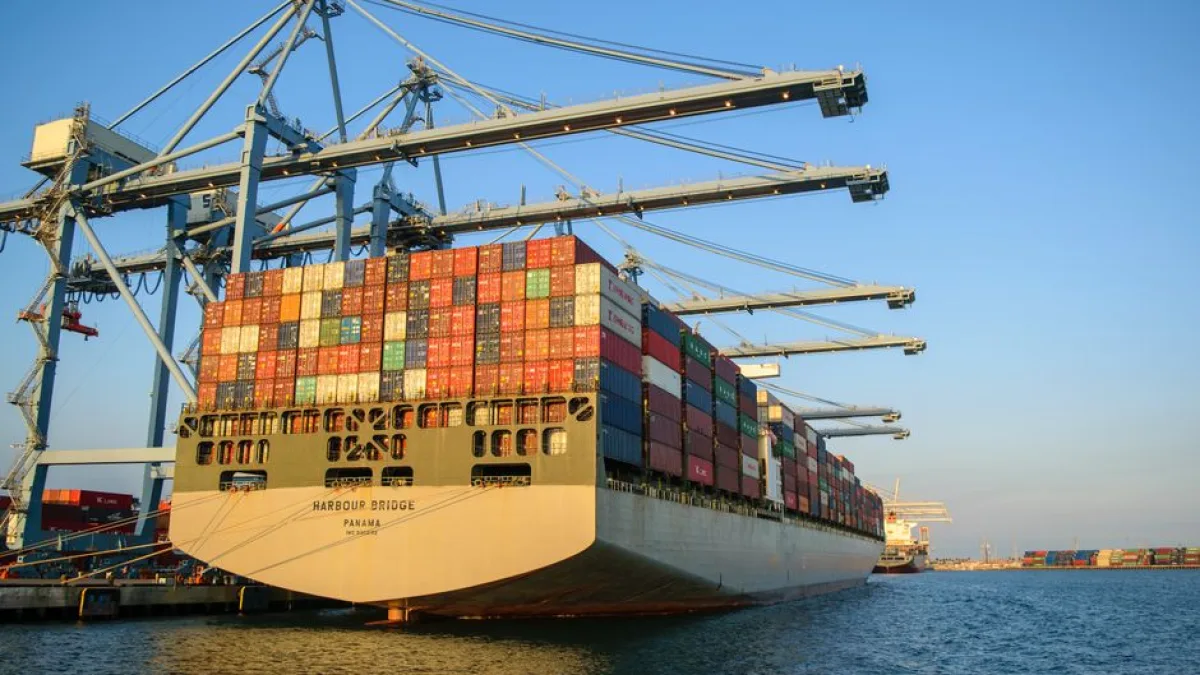
Real-time visibility represents the cornerstone of modern logistics, allowing forwarders to monitor shipments across every leg of the journey. By integrating automated tracking tools, teams can anticipate disruptions before they impact final delivery schedules, ensuring proactive management of client expectations throughout the lifecycle.
- Real-time status updates: Implementing automated tracking systems allows your team to provide clients with precise location data, significantly reducing the frequency of status inquiry emails and improving overall communication.
- Proactive exception handling: Detecting potential shipment delays early enables your logistics team to implement contingency plans immediately, thereby preventing costly bottlenecks and maintaining your reputation for reliable delivery service.
- Centralized data access: Consolidating shipment information into a single cloud platform ensures that every stakeholder has access to accurate data, eliminating silos that hinder effective decision making processes.
- Improved client transparency: Providing customers with a branded portal access to their cargo progress fosters trust, loyalty, and long-term business partnerships by demonstrating professional competence and technical sophistication.
Adopting advanced visibility solutions transforms your operational capability by replacing guesswork with data-driven insights. When your team can identify potential issues instantly, they spend less time reactive firefighting and more time delivering high-value logistics solutions. This strategic shift enhances your competitive position, ensuring that you remain the preferred partner for clients who require absolute certainty regarding the movement of their high-priority global freight shipments.
Automating Essential Documentation

Documentation remains the most time-consuming aspect of freight forwarding, often burdened by repetitive data entry and compliance complexities. Shifting to digital document management software allows for seamless automation, reducing human error while accelerating the customs clearance process for your international clients.
- Automated document generation: Leveraging smart software to pre-populate shipping documents saves hours of manual labor, reducing the risk of clerical errors that often lead to severe border delays.
- Digital storage systems: Moving paper records to a secure cloud database ensures that your team can retrieve critical compliance files instantly, simplifying audits and improving overall workspace organization.
- Standardized compliance checks: Automated validation tools verify that all regulatory requirements are met before documents are submitted, drastically minimizing the likelihood of fines or rejection by customs officials.
- Integrated communication loops: Linking document workflows directly to client accounts enables faster approval cycles and ensures that all parties remain aligned on the necessary paperwork for cross-border transit.
Efficient document management is vital for maintaining a lean operation that avoids the pitfalls of administrative overhead. By automating the creation and verification of essential manifests and invoices, your team can refocus their energy on complex problem solving. This shift not only accelerates the transit speed of your cargo but also elevates your operational reliability in the eyes of your most demanding global partners.
Strengthening Carrier Relationships

Building strong connections with carriers is essential for securing capacity and competitive rates during peak market periods. Freight forwarders who prioritize transparent communication and timely payments often find themselves at the top of the list when vessel space becomes extremely limited.
- Open communication channels: Maintaining consistent dialogue with carrier representatives ensures you are aware of capacity shifts or service changes, allowing you to adjust your planning strategies well in advance.
- Reliable payment practices: Establishing a reputation for prompt and accurate payment builds deep trust, often resulting in priority service and better negotiation leverage during difficult contract cycles.
- Data sharing benefits: Providing carriers with accurate volume forecasts helps them plan their own operations, creating a mutually beneficial relationship that yields improved service levels for your shipments.
- Performance evaluation metrics: Regularly reviewing carrier performance through objective data allows you to hold partners accountable, ensuring that your clients receive the high-quality service they expect from you.
Fostering robust partnerships with carriers is a strategic necessity that pays dividends during market volatility. By treating these organizations as collaborators rather than just vendors, you secure your supply chain against common disruptions. This proactive approach to relationship management ensures that your logistics operations remain stable and scalable, regardless of the broader global economic conditions affecting the international freight and transportation industry.
Leveraging Advanced Data Analytics

Data is the most valuable asset in modern logistics, yet many firms fail to utilize the information they already possess. By applying advanced analytics, you can identify hidden inefficiencies within your freight forwarding business and uncover new opportunities for revenue growth and operational improvement.
- Route performance analysis: Examining historical transit data helps identify the most reliable paths for your cargo, allowing you to optimize future shipping decisions for speed and cost efficiency.
- Cost reduction strategies: Analyzing spending patterns across your network reveals opportunities to consolidate shipments or renegotiate volume discounts, directly increasing your bottom line while maintaining high service quality.
- Predictive demand forecasting: Utilizing predictive models allows you to anticipate seasonal surges, helping you prepare your resources and capacity needs to handle increased demand without operational stress.
- Business intelligence dashboards: Creating visual representations of your key performance indicators allows leadership to spot trends and make informed decisions faster, keeping your company ahead of competitors.
Harnessing the power of your data turns abstract numbers into actionable business strategies. When you understand the nuances of your operational performance, you can refine your processes to eliminate waste and maximize profitability. This commitment to continuous improvement through analytical thinking ensures that your freight forwarding firm stays agile and resilient, ready to meet the evolving challenges of the global trade marketplace.
Conclusion

Successful freight forwarding requires a blend of technological adoption and strong relationship management. By optimizing visibility, automating documentation, nurturing carrier bonds, and utilizing data analytics, you build a sustainable foundation for long-term growth. Start implementing these best practices today to streamline your operations, reduce manual errors, and elevate your service levels, ensuring your organization remains a powerful force in the fast-paced global logistics industry.