Mastering Digital Efficiency in Modern Freight Operations
Tuesday, August 18 2026

Freight forwarding is undergoing a profound transformation as industry leaders shift away from manual processes toward automated cloud-based solutions. As supply chains grow more complex and global trade demands accelerate, logistics providers must rethink their operational workflows to maintain a competitive edge. Relying on legacy systems creates bottlenecks that hinder visibility, delay documentation, and frustrate customers waiting for real-time updates. By embracing digital integration, forwarders can synchronize their operations, reduce human error, and unlock new levels of productivity. This evolution is not just about keeping pace with competitors but about building a resilient, scalable foundation for future international growth and success.
Automating Documentation Processes

Manual document handling remains a primary cause of delays in the logistics sector. Automating repetitive data entry tasks allows your team to redirect their focus toward complex problem solving and client relationship management instead of mundane administrative paperwork.
- Reducing Data Errors: Implementing automated capture technology minimizes the risk of manual typos that often lead to costly shipping delays or customs rejection issues during international transit operations.
- Streamlining Workflow Speed: Cloud platforms enable instant document generation and sharing, which drastically cuts down the time spent moving files between departments or external trading partners during shipments.
- Improving Audit Trails: Digital records ensure every document is tracked chronologically, providing a transparent history that simplifies compliance checks and improves overall accountability across your entire organization.
- Enhancing Regulatory Compliance: Automated systems update template requirements in real time, ensuring that all customs declarations meet current international standards without requiring constant manual oversight from staff.
Transforming how you manage documentation creates a seamless information flow across your organization. By leveraging cloud tools, you eliminate silos that previously slowed down operations, allowing for faster response times. This digital maturity serves as a catalyst for efficiency, enabling your team to handle higher volumes with greater precision while significantly reducing the overhead costs associated with traditional paper-based management methods.
Real Time Shipment Tracking
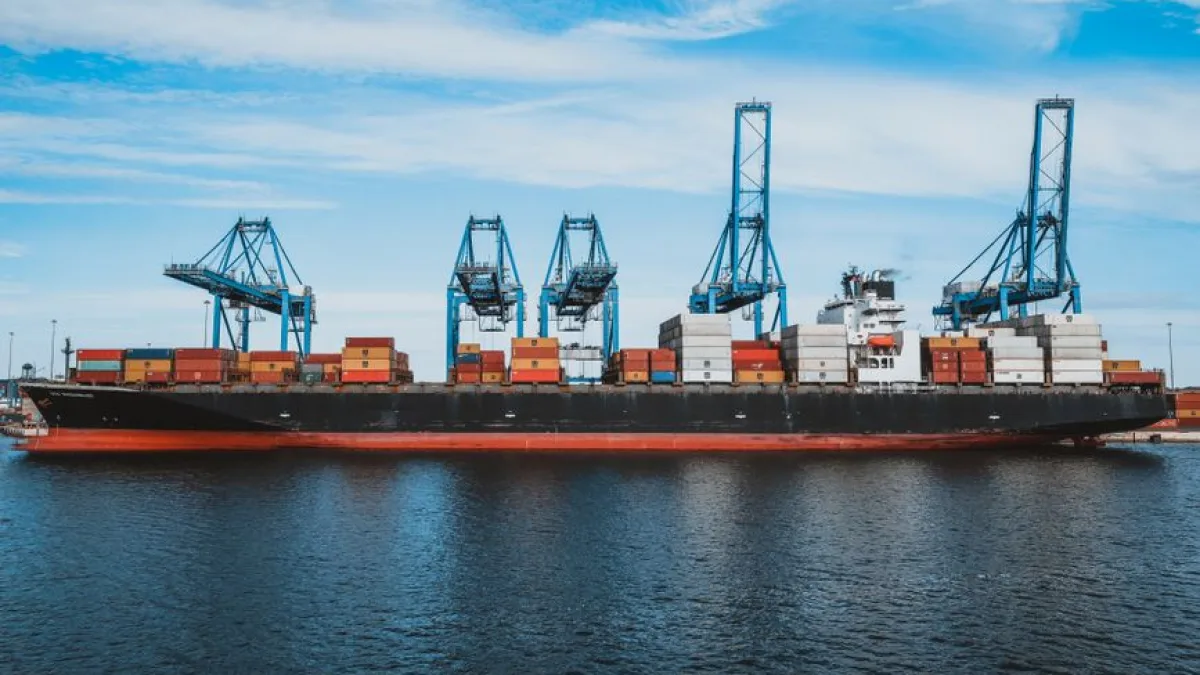
Visibility is the backbone of modern freight forwarding, as clients demand instant updates on cargo status. Implementing tracking systems that pull live data directly from carriers ensures accuracy and provides a foundation for proactive logistics management services.
- Enhanced Customer Experience: Clients receive automated alerts regarding shipment status, which reduces the volume of status inquiries and builds trust through transparency throughout the entire global journey.
- Proactive Issue Resolution: Real time data allows operators to spot potential delays early, enabling them to reroute cargo or communicate changes to stakeholders before complications escalate further.
- Optimized Carrier Performance: Tracking tools help evaluate carrier reliability by measuring transit times against projections, giving you the necessary insights to make better shipping partner selections daily.
- Integrated Reporting Tools: Aggregated data provides actionable intelligence that helps you identify bottlenecks in your supply chain and refine your operational strategy for improved future performance.
Providing stakeholders with a live view of their cargo represents a significant competitive advantage in today's fast market. When clients can access information independently, your operations team is empowered to manage exceptions rather than answering repetitive status queries. This shift toward self-service visibility enhances your reputation for reliability and professionalism, ultimately driving higher retention rates and deeper trust with global logistics partners.
Optimizing Warehouse Logistics

Warehouse operations require precise coordination to ensure that freight moves efficiently from point A to point B. Digital integration allows for better management of cargo space, stock movement, and loading schedules, ensuring that no resources are wasted during transit.
- Streamlined Inventory Management: Digital tracking ensures that your team always knows where cargo is located, which minimizes search times and maximizes the capacity of your warehouse facilities.
- Efficient Load Planning: Advanced software tools analyze volume and weight metrics to optimize how cargo is loaded, leading to safer shipments and reduced costs for shippers.
- Better Resource Allocation: Accurate demand forecasting tools allow you to scale your warehouse staff and equipment needs dynamically, ensuring you are prepared for seasonal fluctuations easily.
- Reduced Operating Overhead: By minimizing idle time and maximizing space utilization, your facility can handle more cargo while maintaining lower costs per unit than traditional methods.
Efficient warehouse management is essential for maintaining a high velocity of goods through your logistics chain. By utilizing cloud-based planning tools, you can ensure that every square meter of space is optimized for productivity. This systemic approach reduces the risk of physical bottlenecks and allows for a more agile response to client needs, ensuring that your operations remain profitable and scalable.
Collaborating With Global Partners

Effective collaboration between global agents is vital for success in international freight. Connecting your digital ecosystem allows for instant communication and unified file sharing, ensuring all parties remain on the same page regardless of their geographical location or time zone.
- Unified Communication Channels: Digital platforms consolidate all communications into one secure location, preventing important details from being lost in email threads or fragmented messaging systems during shipments.
- Synchronized Operational Data: Having a single version of the truth ensures that every partner operates with the same information, preventing confusion and misalignment during critical transit stages.
- Faster Conflict Resolution: Instant access to shared files allows agents to address discrepancies quickly, which keeps shipments on schedule even when unexpected complications arise during complex deliveries.
- Stronger Partner Networks: Shared platforms encourage deeper cooperation between agents, leading to better pricing, more reliable services, and a stronger collective ability to serve high-volume clients globally.
Fostering strong relationships through shared digital infrastructure creates a seamless network that benefits all participants. When global partners work within the same environment, the friction inherent in international trade is significantly reduced. This collaborative approach not only speeds up operations but also promotes a culture of reliability and shared success, which is necessary for maintaining long-term partnerships in the competitive global freight forwarding sector.
Conclusion

Adopting digital freight tools is no longer optional for firms aiming to lead in the modern logistics landscape. By automating documentation, enhancing tracking visibility, optimizing warehouse workflows, and improving partner collaboration, you create a robust operation ready for any challenge. Embrace cloud technology today to streamline your processes, lower operational costs, and deliver superior service that keeps your clients coming back every time.