Mastering Digital Efficiency in Modern Freight Operations
Friday, September 4 2026

Freight forwarding is currently undergoing a radical transformation as the industry shifts away from manual processes toward integrated digital ecosystems. As global supply chains grow increasingly complex, professionals must leverage cloud-based platforms to maintain visibility and operational speed. By adopting advanced software tools, forwarders can automate tedious manual tasks, reduce human error, and provide clients with real-time data accuracy. This evolution is no longer just a competitive advantage but a fundamental necessity for survival. This article examines how leveraging technology transforms core operational pillars, ensuring that your logistics business remains agile, scalable, and fully prepared for the future of international trade.
Automating Documentation Processes

Automating documentation is the most effective way to eliminate bottlenecks in your daily workflow. By moving away from paper trails, teams can focus on strategic tasks instead of manual data entry, significantly reducing the turnaround time for critical shipment documents.
- Eliminate Data Redundancy: Centralized cloud systems allow you to input information once, which then populates across all necessary shipping documents automatically to prevent duplicate entries and costly manual mistakes.
- Standardize Custom Forms: Create professional and compliant shipping documents quickly by utilizing pre-built templates that adhere to international regulations and specific carrier requirements for every unique trade lane.
- Enable Rapid Approval: Digital platforms facilitate seamless collaboration between internal teams and external partners, allowing stakeholders to review, edit, and sign documents electronically without any physical mailing delays.
- Enhance Compliance Tracking: Automated systems monitor regulatory updates in real time to ensure all documentation meets the latest industry standards, effectively minimizing the risk of customs fines.
By streamlining your documentation cycle, you free up valuable staff time that can be redirected toward high-value client relationship management. Reducing errors in your bills of lading or commercial invoices prevents costly delays at customs, ensuring that your clients receive their cargo on time. As you optimize these repetitive tasks, your overall operational capacity increases, allowing your company to handle higher volumes with ease.
Optimizing Shipment Visibility
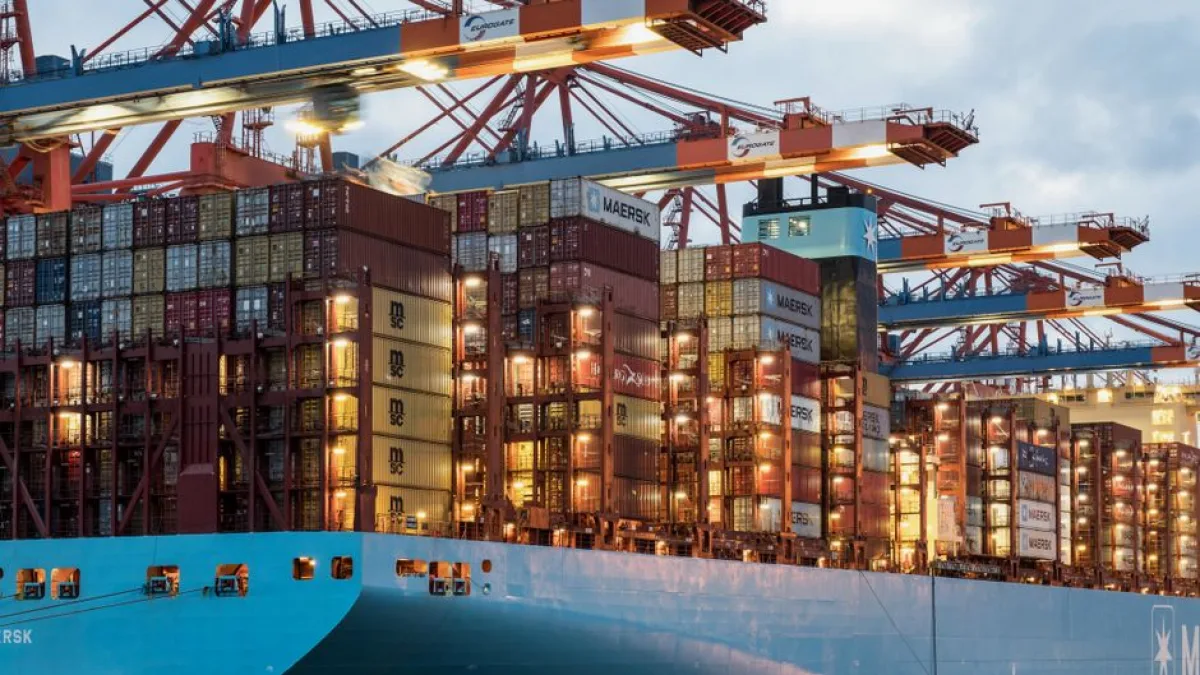
Real-time visibility acts as the backbone of modern freight forwarding operations. Providing clients with accurate, up-to-the-minute updates on cargo location builds trust and allows for proactive problem-solving before minor logistical issues escalate into major supply chain disruptions.
- Integrated Tracking Feeds: Connect your platform directly with carrier APIs to pull live tracking updates, giving your team and customers a transparent view of every shipment movement.
- Proactive Exception Management: Advanced software identifies potential transit delays automatically, enabling your team to notify customers immediately and offer alternative routing solutions before the situation deteriorates further.
- Client Portal Access: Empower your customers by providing them with secure, branded portals where they can track their own shipments without needing to call or email your staff.
- Data Driven Insights: Analyze historical shipment data to identify recurring transit bottlenecks, allowing you to optimize future shipping strategies and select more reliable carrier partners for clients.
Total shipment transparency transforms the customer experience from reactive communication to proactive service. When clients can access live information, they feel more confident in your logistics capabilities and are more likely to return for future business. Integrating high-quality tracking tools into your daily workflow ensures that you remain a dependable partner in an increasingly volatile global environment, effectively boosting your long-term revenue growth.
Streamlining Carrier Communications
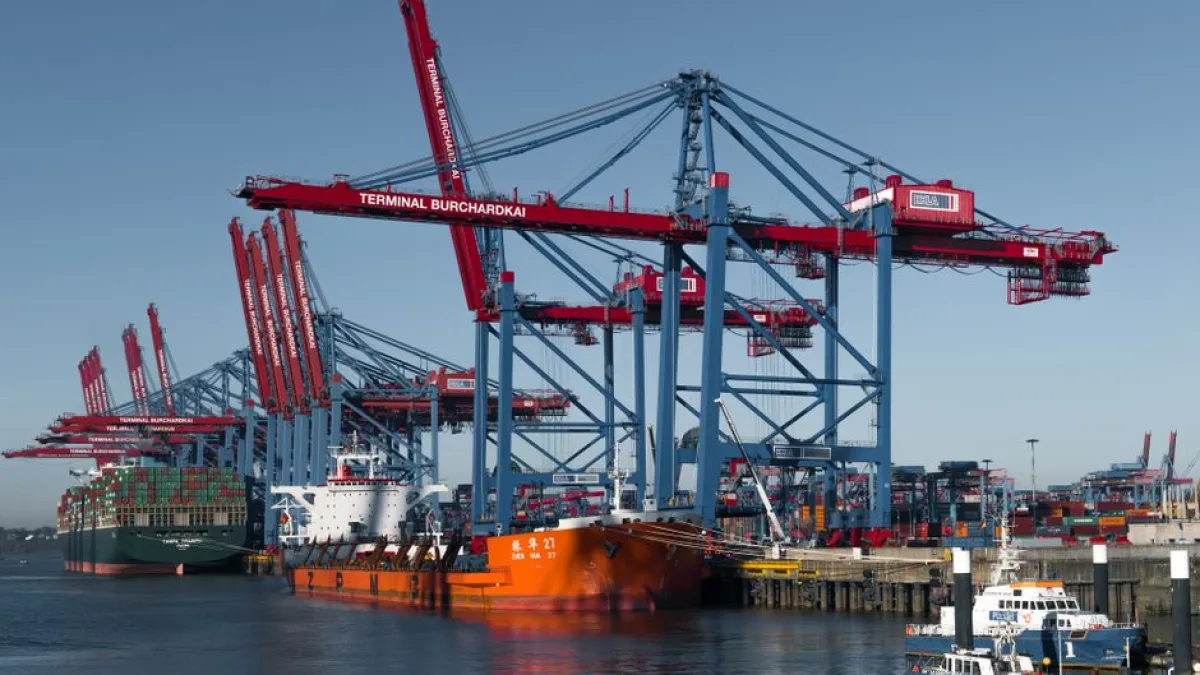
Effective communication with carriers is essential for maintaining smooth shipping schedules and managing fluctuating capacity demands. Using a unified platform to manage these interactions ensures that no critical piece of information is lost in a crowded email inbox.
- Centralized Messaging Hubs: Keep all correspondence related to specific shipments in one accessible location, ensuring that any team member can pick up a conversation without needing context.
- Dynamic Rate Requests: Send out quote requests to multiple carriers simultaneously through your platform, allowing for faster comparisons and easier selection of the most cost-effective shipping options.
- Automated Status Updates: Set up automated triggers that notify carriers about pickup appointments or document requirements, reducing the need for constant back-and-forth phone calls and manual emails.
- Performance Metric Tracking: Evaluate carrier performance based on actual response times and reliability, which helps you make informed decisions when negotiating contracts or choosing primary logistics partners.
By moving communication into a dedicated software environment, you reduce the noise and clutter that often plague busy logistics departments. Efficient interaction with carriers leads to faster booking confirmations and better overall space management. This systematic approach allows your team to focus on high-priority negotiations while the software handles the routine logistics of coordinating with various transport providers and agents.
Managing Financial Workflows

Financial health depends on accurate invoicing and timely payment processing. Integrating your accounting tasks with your freight management platform ensures that every shipment cost is captured correctly, preventing revenue leakage and maintaining healthy cash flow for your business.
- Automated Invoice Creation: Generate accurate freight invoices instantly once a shipment is completed, capturing all agreed-upon surcharges and local fees without the risk of manual miscalculation or omission.
- Real Time Profitability: Calculate the margin on every shipment immediately by comparing estimated costs against actual charges, providing your management team with clear insights into financial performance.
- Seamless Ledger Integration: Sync your logistics platform with accounting software to keep your financial records perfectly aligned and ready for tax audits or monthly budget reviews.
- Credit Control Monitoring: Use software tools to track outstanding invoices and automate payment reminders, ensuring that your cash flow remains stable and your accounts receivable stay lean.
Tightening your financial workflows is essential for maintaining long-term profitability in a competitive market. When your billing process is fully synchronized with your operational data, you eliminate the delays that typically occur between shipment delivery and final invoicing. This efficiency not only improves your company liquidity but also provides your finance team with the reliable data they need to make strategic decisions.
Conclusion

Adopting a cloud-based freight platform is the definitive step toward operational excellence. By focusing on documentation, visibility, communication, and finance, you create a robust foundation for scalable growth. Start integrating these digital solutions today to reduce your overhead and significantly improve the quality of service for your clients. Your journey toward a more efficient, technology-driven future begins with these strategic operational enhancements.