Mastering Digital Efficiency in Modern Freight Operations
Sunday, October 11 2026
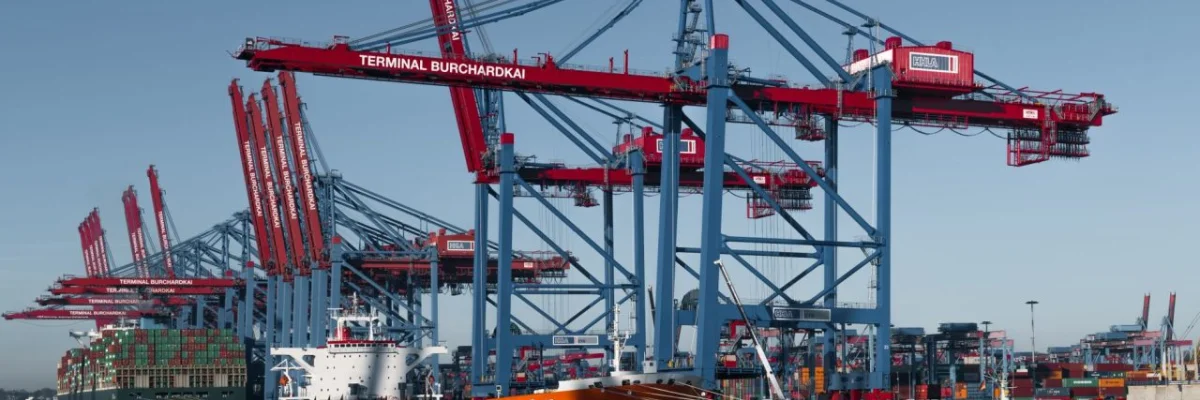
Freight forwarding is currently undergoing a radical transformation driven by the need for speed, transparency, and data accuracy in a volatile global market. As logistics professionals manage increasingly complex supply chains, relying on legacy manual processes or disconnected spreadsheets creates significant bottlenecks that hinder growth. By adopting a centralized cloud-based platform, forwarders can synchronize documentation, track shipments in real time, and improve collaboration with carriers and clients. This shift not only reduces operational overhead but also builds the foundation for scalable success, allowing your team to focus on high-value strategic decision-making rather than repetitive data entry tasks.
Automating Your Documentation Workflow

Manual document handling is a primary source of delays and errors in international shipping operations today. Transitioning to automated digital workflows ensures that commercial invoices, bills of lading, and customs declarations are processed accurately, drastically reducing the risk of costly administrative mistakes.
- Seamless Data Sync: Automated systems capture data directly from shipment files to ensure that all information remains consistent and error free across every document generated for your clients.
- Reduced Manual Entry: Eliminating repetitive typing tasks saves your operations team countless hours each week while significantly lowering the probability of human errors during complex customs filings.
- Instant File Sharing: Cloud platforms allow for secure and immediate distribution of shipping documents to partners, which speeds up the customs clearance process and improves overall efficiency.
- Digital Document Vaults: Storing all essential shipment records in a centralized cloud environment ensures that your staff can retrieve any historical data whenever it is required immediately.
By removing the burden of manual paperwork, your team gains the freedom to handle more shipments without needing to increase headcount. This scalability is critical for staying competitive in a fast-paced industry where margins are often tight. Focusing on automation allows for better accuracy in compliance filings, which prevents expensive delays at port and keeps your customers satisfied with timely, professional service levels throughout the shipment lifecycle.
Optimizing Real-Time Shipment Tracking
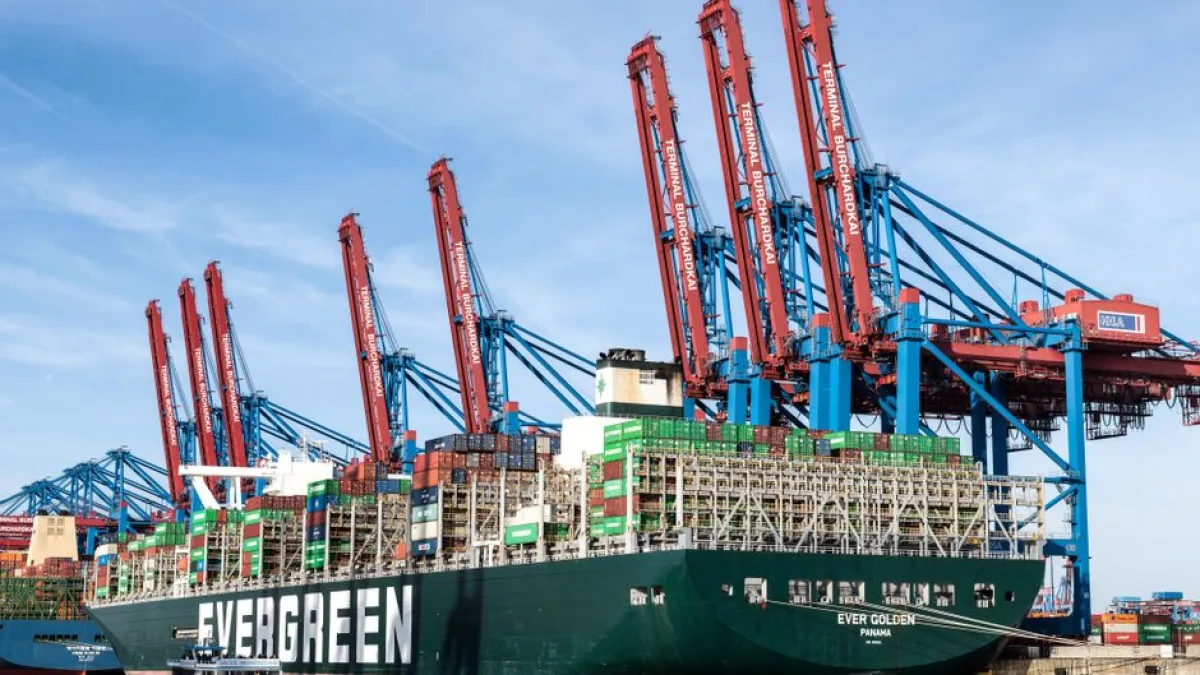
Visibility is the backbone of modern freight forwarding, providing clients with precise updates on their cargo status. Modern cloud software integrates tracking data from various carriers to provide a single, unified view that simplifies exception management and proactive communication.
- Live Tracking Integration: Connecting directly to global carrier APIs allows you to pull real time location data for all ocean or air freight shipments within your dashboard.
- Proactive Exception Alerts: Intelligent software triggers automated notifications whenever a shipment experiences a delay, enabling your team to resolve potential issues before they escalate into major problems.
- Client Portal Access: Providing your customers with a secure web portal gives them direct access to tracking data, which reduces the volume of status inquiries for your staff.
- Performance Metric Dashboards: Analyzing carrier performance through integrated tracking data helps you identify which providers are meeting their service level agreements and which might need closer monitoring.
When you provide accurate, real-time tracking, you build immense trust with your clients. This transparency turns your service into a reliable asset for their supply chain, rather than just another vendor. By anticipating delays rather than reacting to them, you position your freight forwarding business as a proactive partner, ultimately strengthening long term customer retention and driving sustainable growth for your firm.
Streamlining Financial Management

Managing freight invoices, vendor payments, and profit margins requires extreme precision to maintain a healthy cash flow. Cloud-based freight software consolidates financial data, allowing forwarders to reconcile costs and generate accurate invoices with minimal effort and high financial visibility.
- Automated Invoice Generation: Creating professional invoices based on pre-set service fees ensures consistency and speed, allowing your accounting department to manage billing cycles with much greater efficiency.
- Integrated Cost Tracking: Monitoring vendor costs and carrier charges in real time helps you calculate net margins on every single shipment without manual calculations or spreadsheets.
- Faster Payment Processing: Digital invoicing systems allow clients to pay via secure links, which shortens your accounts receivable cycles and improves the overall liquidity of your company.
- Audit Ready Reporting: Comprehensive financial logs provide a clear trail of all transactions, making it significantly easier to prepare for quarterly audits or tax filing requirements.
Sound financial management is vital for the long-term viability of any freight forwarding business. When you simplify the billing process, you reduce the time between service delivery and cash collection. This financial clarity allows you to make informed decisions about your pricing strategy, helping you identify which routes are most profitable and which shipping modes provide the best margins for your enterprise.
Enhancing Collaborative Communication

Collaboration between forwarders, carriers, and shippers is essential for smooth logistics execution. Breaking down communication silos through a single platform fosters a culture of shared information, which helps avoid misunderstandings and ensures that all stakeholders remain aligned on shipment goals.
- Centralized Communication Hub: Hosting all shipment-related conversations within the software prevents critical information from getting buried in personal email threads or lost in separate messaging apps.
- Shared Task Management: Assigning specific tasks to team members ensures that every shipment milestone is hit on time and that accountability is clearly defined for all staff.
- Partner Portal Access: Allowing external carriers and agents to input data directly into your system reduces the need for constant back and forth email confirmations during transit.
- Internal Team Messaging: Integrating direct communication tools ensures that your dispatchers, warehouse staff, and management teams are always on the same page regarding priority shipments or alerts.
Effective communication transforms how your team operates on a daily basis. By centralizing interactions, you minimize errors caused by missing information and ensure that all staff members have the context they need to perform their roles efficiently. This level of synchronization elevates the quality of service your agency provides, making it much easier to handle high volumes of cargo without sacrificing the attention to detail required.
Conclusion

Leveraging cloud technology allows freight forwarders to turn operational hurdles into competitive advantages through increased automation and visibility. By adopting the digital strategies discussed, you can successfully streamline your workflows, improve accuracy, and deliver superior service to every customer. Now is the perfect time to evaluate your existing processes and begin your journey toward a more efficient, profitable, and scalable future in global logistics operations.