Mastering Digital Efficiency in Modern Freight Operations
Saturday, October 17 2026
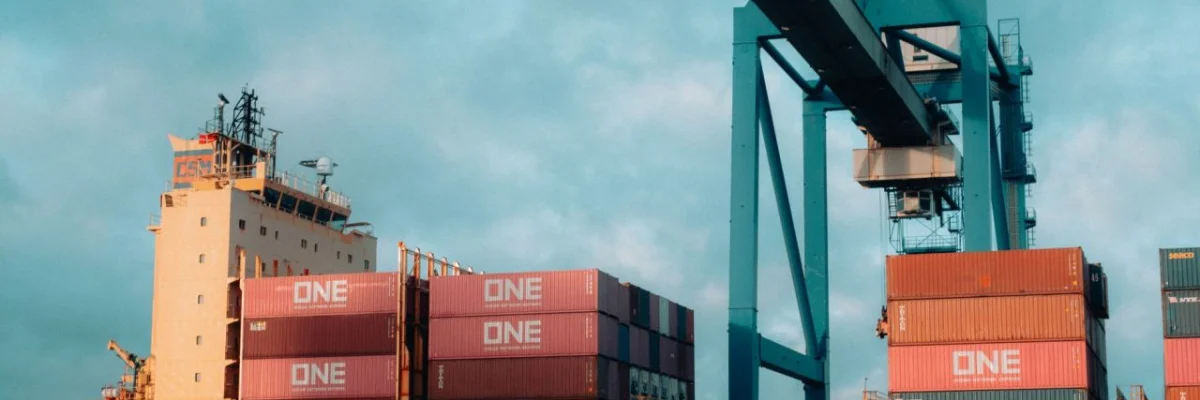
The global logistics landscape is shifting rapidly as freight forwarders face increasing pressure to provide transparency, speed, and reliability in a volatile market. Relying on legacy systems and manual data entry creates bottlenecks that hinder scalability and degrade customer trust. By embracing cloud based software solutions, forwarders can synchronize fragmented data streams, automate tedious documentation tasks, and empower their teams to focus on strategic decision making. As market demands evolve, digital transformation is no longer a luxury for industry leaders but a fundamental requirement for operational survival and sustained profitability in the competitive world of international logistics and supply chain management.
Optimizing Shipment Tracking Visibility
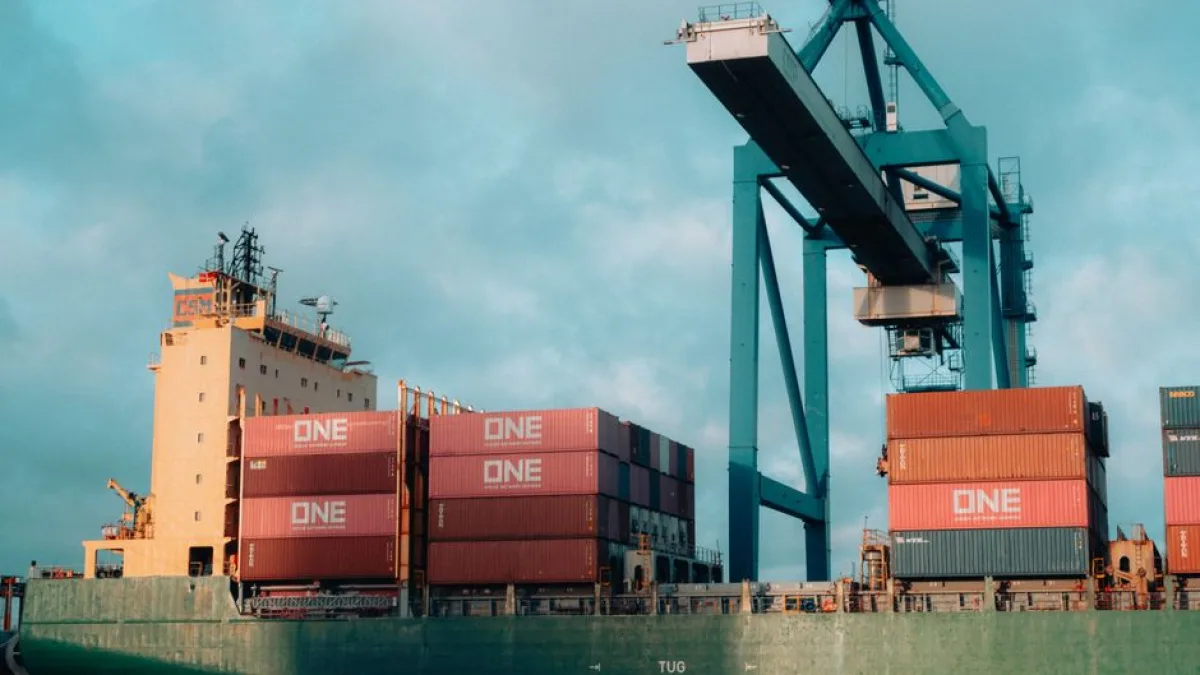
Real time tracking is the cornerstone of modern logistics, allowing forwarders to monitor shipments across multiple transit points. Improving visibility prevents delays and helps teams manage exceptions before they escalate into costly customer service issues that damage brand reputation and client loyalty.
- Automated status updates: Implementing software that automatically triggers milestone notifications ensures that both your team and your clients are informed of location changes without requiring constant manual inquiry and data verification.
- Centralized data management: Consolidating tracking information from carriers into a single dashboard removes silos, enabling staff to access accurate shipment statuses without toggling between various carrier portals and legacy systems.
- Predictive delay warnings: Advanced software tools analyze traffic, weather, and port congestion to provide early alerts, allowing forwarders to adjust routing plans proactively before a shipment becomes significantly overdue for delivery.
- Client portal access: Providing customers with secure digital access to their own shipment dashboards reduces the volume of status update requests, freeing your operational team to focus on high value tasks.
Achieving total transparency creates a massive competitive advantage in today's high stakes environment. By leveraging automated tracking systems, forwarders can effectively reduce the overhead associated with manual follow up tasks. This improved flow of information ensures that every stakeholder remains synchronized throughout the shipping cycle, ultimately driving higher levels of customer satisfaction and long term retention for your growing logistics business.
Automating Documentation and Compliance

Managing complex documentation requirements is a significant drain on operational time. Automating customs filings and bill of lading generation minimizes human error, ensures regulatory compliance across borders, and accelerates the entire billing process for every shipment managed by your team.
- Smart document generation: Utilizing pre built templates that pull data directly from your shipment records ensures consistency and saves hours of manual typing when creating invoices, packing lists, or labels.
- Electronic signature integration: Adopting secure digital signature protocols eliminates the need for physical printing and scanning, which drastically reduces the turnaround time for critical documentation and speeds up payment cycles.
- Compliance validation checks: Built in logic identifies missing mandatory fields or potential errors in customs paperwork before submission, preventing costly fines or hold ups that occur at various international border crossings.
- Cloud based archiving: Storing all documentation in a secure, searchable cloud database ensures that your records are audit ready, accessible from any location, and protected from the risk of physical loss.
Streamlined documentation processes are essential for maintaining a healthy bottom line in modern freight forwarding. By removing repetitive clerical burdens, your employees gain the bandwidth required to handle complex problem solving. Automating these backend tasks not only speeds up the cargo flow but also fosters a professional image, demonstrating to your clients that your operations are both precise and highly efficient.
Enhancing Carrier Communication Workflows

Strong communication with carriers is essential for successful freight operations. By digitizing your external correspondence and rate requests, you eliminate the constant back and forth of email chains, ensuring that all communications remain organized and trackable for your staff members.
- Digital rate procurement: Utilizing centralized request portals allows your team to blast rate inquiries to multiple carriers simultaneously, gathering quotes quickly while comparing costs in a single clean viewing format.
- Unified messaging logs: Maintaining communication history within the shipment file ensures that every team member has access to the latest updates, preventing confusion and ensuring consistent answers for your clients.
- Carrier performance metrics: Tracking communication response times and reliability data helps you identify the best partners, allowing you to build stronger relationships with high performing carriers over the long term.
- Automated appointment scheduling: Integrating booking systems with carrier schedules reduces the phone calls and emails required to confirm pick up or drop off slots, leading to smoother warehouse operations daily.
Effective collaboration with your network is the secret to scaling your logistics capacity without increasing your headcount. When communication is centralized, your freight operations become inherently more resilient to personnel changes and sudden market shifts. By investing in these digital channels, you ensure that every interaction with a carrier adds value to your service, rather than simply consuming time and resources.
Scaling Operations Through Cloud Technology

Cloud technology enables freight forwarders to scale operations effortlessly by removing physical infrastructure constraints. A flexible platform supports remote work environments and allows businesses to add users or modules as their cargo volumes grow, ensuring continuous support for global expansion.
- Global remote access: Operating on a cloud platform allows your team to manage logistics from anywhere in the world, facilitating seamless collaboration across multiple time zones and different international office locations.
- Scalable user permissions: Administrative tools allow you to manage team access levels securely, ensuring that sensitive information remains protected while still enabling the necessary collaboration for efficient daily freight workflow management.
- Regular feature updates: Choosing a cloud based provider means you benefit from continuous software improvements without needing to perform manual maintenance, ensuring your team always has the latest tools available.
- Integrated business intelligence: Accessing real time performance dashboards helps you track profitability by lane, client, or commodity, providing the insights needed to make informed strategic decisions for future growth.
Transitioning to cloud based logistics software provides the foundation necessary for long term success in an unpredictable market. With the ability to access data and manage shipments from any location, your operations remain agile and responsive. Embracing this scalable technology allows your company to focus on building strong relationships and winning new business rather than being weighed down by rigid software systems.
Conclusion

Digital transformation remains the most effective path forward for forwarders aiming to optimize their logistics processes. By automating tracking, documentation, communication, and infrastructure, companies can significantly reduce costs while improving service levels. Now is the ideal time to evaluate your internal workflows and implement cloud solutions that support growth. MakeCargo provides the tools you need to build a smarter, more efficient freight operation today.