Mastering Digital Efficiency in Modern Freight Operations
Wednesday, October 28 2026
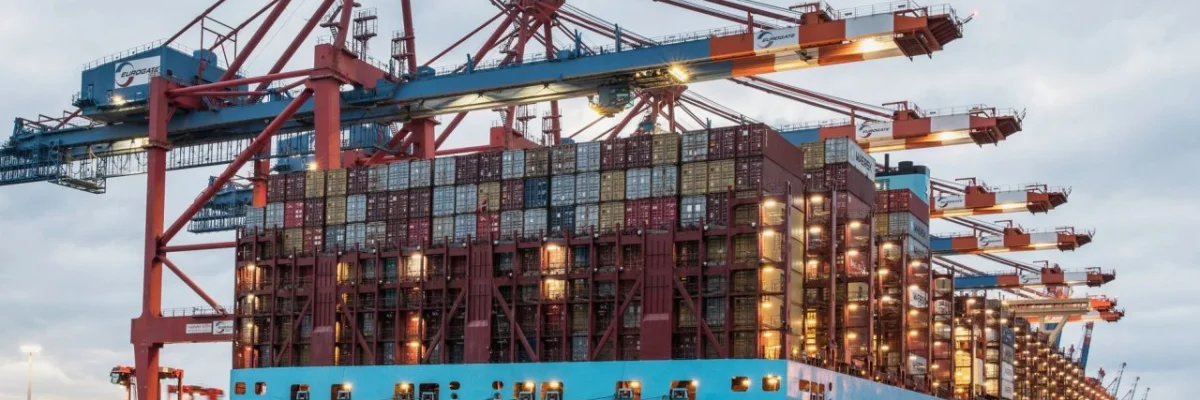
Freight forwarding is currently undergoing a radical transformation as the industry shifts away from manual processes toward integrated digital ecosystems. Managing complex global supply chains requires precision, real-time data visibility, and the ability to pivot rapidly in response to market disruptions. Professionals who leverage cloud-based platforms gain a significant competitive edge by automating documentation, enhancing carrier coordination, and providing customers with transparent tracking updates. As global trade volumes continue to fluctuate, the adoption of specialized software becomes not just a strategic advantage but an essential requirement for operational survival and sustained growth within this fast-paced and demanding international logistics landscape.
Optimizing Shipment Documentation

Accurate documentation remains the cornerstone of compliant international shipping. Digitizing these workflows reduces human error, minimizes costly administrative delays, and ensures that all parties have instant access to necessary bills of lading and customs declarations throughout the entire transit process.
- Centralized document storage: Keeping all shipment files in a secure cloud repository ensures that your team can retrieve critical paperwork instantly from any global location without wasting precious time.
- Automated data entry: Smart software solutions extract key information from forms to populate digital records automatically, which significantly reduces the risk of manual typing mistakes and processing backlogs.
- Instant status updates: Sharing digital documents directly with customs authorities or consignees speeds up clearance processes and keeps the entire logistics chain moving without unnecessary pauses or physical printing.
- Secure access controls: Robust platform security allows you to grant specific permissions to partners, ensuring sensitive data remains protected while facilitating seamless collaboration across multiple international freight borders.
By moving away from email attachments and paper filing, forwarders can accelerate their billing cycles and improve overall accuracy. This transition not only saves labor hours but also builds greater trust with clients who expect professional and reliable documentation services. Implementing these digital standards early helps teams handle higher volumes of cargo without needing to increase headcount, thereby driving better profit margins for the business.
Streamlining Carrier Coordination

Effective communication between forwarders and carriers is vital for maintaining predictable lead times. Utilizing a centralized platform allows operations teams to coordinate bookings and manage capacity requirements efficiently, even when navigating complex multi-modal transit routes across different global time zones.
- Real-time booking requests: Sending electronic booking inquiries directly through your software platform ensures faster responses from shipping lines and avoids the common pitfalls of fragmented email communications.
- Integrated carrier tracking: Automated status updates from ocean or air carriers provide you with immediate visibility, allowing you to proactively manage client expectations regarding potential shipping delays.
- Capacity management tools: Advanced dashboards help operations managers monitor available space and allocate cargo volume strategically to optimize shipping costs across various carrier routes and service schedules.
- Simplified rate comparisons: Comparing quotes from multiple carriers side-by-side helps you identify the most cost-effective and reliable options for every individual client request or unique shipment requirement.
Synchronizing your operations with carrier schedules reduces the frequency of missed connections and unexpected port charges. When communication is streamlined, forwarders can resolve issues as they happen rather than after a shipment has already been impacted. This proactive approach strengthens relationships with both carriers and clients, ensuring that your firm remains the preferred partner in a highly competitive and volatile logistics market.
Enhancing Customer Transparency

Modern clients demand visibility into their supply chain around the clock. Providing a branded customer portal where stakeholders can monitor their shipments in real-time is no longer an optional luxury but a core feature required to maintain long-term client retention.
- Interactive tracking portals: Give your clients direct access to view the live status of their cargo, which reduces the volume of repetitive inquiry emails sent to your team.
- Automated milestone notifications: Configure custom alerts that trigger emails or messages whenever a shipment hits a specific waypoint, keeping clients informed throughout the entire journey automatically.
- Transparent reporting tools: Generate professional performance reports for your clients to demonstrate value and provide clear data on transit times, cost savings, and overall shipment service reliability.
- Proactive issue resolution: Sharing timely updates about potential disruptions enables your clients to prepare their own downstream processes, which fosters a partnership based on honesty and professional reliability.
When you offer transparent insights, you differentiate your service from traditional forwarders who remain opaque regarding status updates. Clients value the ability to self-serve through a portal, which grants them confidence in your operational capabilities. This shift towards transparency turns your company into an indispensable part of their supply chain strategy rather than just another vendor charging for transportation and logistics services.
Scaling Through Automated Workflows

Scalability is the key to expanding your freight business without sacrificing service quality. Automating routine tasks enables your staff to focus on complex decision-making and relationship building, ensuring that your operations remain efficient as your total shipment volume grows every year.
- Smart workflow automation: Define specific triggers that move shipments through your operational lifecycle automatically, which ensures that no single task is overlooked during periods of high activity.
- Integrated billing systems: Sync your operational data directly with accounting software to generate accurate invoices instantly, thereby reducing the time spent on manual reconciliations and payment tracking.
- Customizable task management: Organize daily workloads by assigning specific responsibilities to team members based on their expertise, ensuring that every shipment is handled by the right person.
- Scalable cloud infrastructure: Utilize platform resources that grow with your company, allowing you to add new users or regions without the need for complex and expensive hardware upgrades.
Automating repetitive tasks creates a stable foundation for business growth and reduces the risk of burnout among your operations personnel. When systems handle the routine processing, your team can dedicate their expertise to solving complex routing problems or negotiating better rates with carriers. Investing in scalable technology today ensures that your logistics firm is prepared to handle the challenges of tomorrow.
Conclusion

Adopting digital solutions is the most effective way to optimize freight operations and stay competitive. By streamlining documentation, improving carrier coordination, enhancing client transparency, and automating workflows, you can build a resilient logistics business. Embracing cloud technology empowers your team to handle increased volume with precision while consistently exceeding customer expectations in a global market that never sleeps and always demands faster results.