Mastering Digital Efficiency in Modern Freight Operations
Thursday, October 29 2026
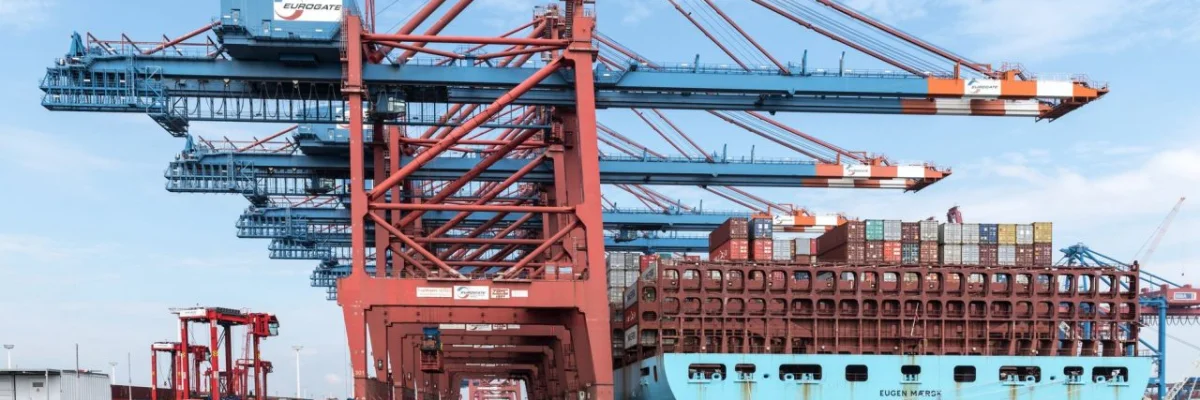
Freight forwarding is currently undergoing a massive transformation driven by rapid digitization and the need for greater transparency across global supply chains. As professional forwarders navigate complex logistical environments, the reliance on manual spreadsheets and disconnected communication channels becomes a significant operational bottleneck. Adopting cloud-based platforms allows firms to centralize critical shipment data, improve coordination with international partners, and provide real-time updates to clients. By embracing these technological advancements, forwarders can reclaim lost time, reduce costly human errors, and focus on delivering high-value logistics services that differentiate their business in an increasingly competitive global marketplace today.
Optimizing Shipment Visibility
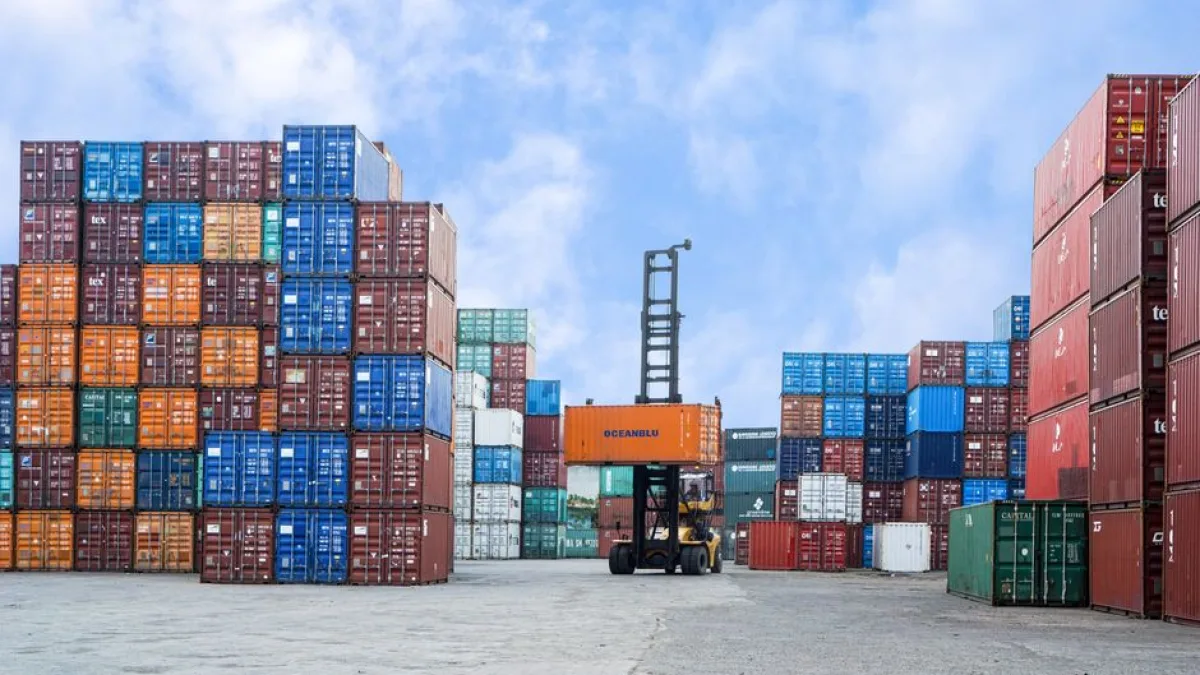
Real-time visibility represents the cornerstone of modern logistics performance, transforming how forwarders manage expectations. By tracking cargo movements from origin to destination, teams can proactively address potential delays and ensure that all stakeholders remain informed throughout the entire lifecycle.
- Automated status updates: Implementing cloud-based tracking systems allows your team to send automated notifications to clients, reducing the volume of manual inquiry emails and saving significant time every single day.
- Centralized data access: Having a single source of truth for all shipment documents ensures that your operations team avoids duplication and maintains accurate records for every individual consignment.
- Proactive delay management: Early detection of transit deviations allows forwarders to adjust routing plans before minor issues escalate into major operational crises that impact your bottom line directly.
- Integrated carrier portals: Connecting directly with carrier APIs provides instantaneous access to schedules and capacity, which helps your staff make faster decisions regarding bookings and transit route optimization.
Achieving total visibility reduces the friction often found in international trade operations. When teams spend less time chasing information, they gain the bandwidth to focus on strategic growth and client relationship management. Adopting a unified dashboard approach minimizes data silos, ensuring that everyone from the warehouse staff to the executive leadership team stays aligned on shipment progress and overall performance metrics effectively.
Digitizing Essential Documentation

Paper-based workflows frequently lead to lost documents and compliance errors, which jeopardize the integrity of international shipments. Digitizing your entire documentation process creates a searchable, audit-ready archive that streamlines the billing process and simplifies complex customs filing requirements across borders.
- Instant document retrieval: Cloud storage platforms make it possible for your team to access bills of lading or commercial invoices in seconds, eliminating hours of searching through physical cabinets.
- Secure digital signatures: Utilizing integrated electronic signature tools accelerates the approval process for important shipping documents, ensuring that your export operations remain compliant with international trade regulatory standards today.
- Error reduction strategies: Automated validation checks within your software can identify missing information before documents are submitted to customs authorities, significantly lowering the risk of expensive administrative penalties.
- Collaborative document editing: Enabling multiple team members to update files simultaneously within the cloud ensures that version control is maintained and that everyone views the latest approved information.
Transitioning to a digital document ecosystem is the first step toward operational excellence. Forwarders who eliminate reliance on paper files notice an immediate improvement in processing speed and departmental accuracy. By securing your data in a compliant digital environment, you foster greater trust with your clients and streamline the entire handover process between global partners, vendors, and end consignees in logistics.
Streamlining Carrier Communication

Effective communication between forwarders and carriers is vital for maintaining the flow of goods across complex international networks. Modern software tools facilitate seamless messaging, allowing for quick negotiations and immediate problem resolution that would otherwise be delayed by fragmented email threads.
- Unified communication channels: Consolidating all carrier correspondence into a single platform prevents critical messages from being buried in personal inboxes, ensuring that no essential information gets lost.
- Faster rate negotiations: Digital request systems allow your team to obtain multiple spot quotes simultaneously, giving you the ability to select the most cost-effective routing options available.
- Simplified task delegation: Managers can easily assign follow-up tasks regarding specific carrier inquiries to team members, ensuring that every shipment query receives a prompt and accurate professional response.
- Audit trails provided: Detailed logs of all communications with external carriers provide essential documentation for resolving disputes or reviewing performance data after the shipment is completed successfully.
Optimizing communication reduces the time spent on administrative overhead and increases your firm's responsiveness. By choosing software that integrates carrier interactions directly into the shipping file, you ensure that every staff member can pick up where others left off. This continuity of service is what keeps clients loyal and ensures your operations remain agile enough to handle unexpected logistics challenges.
Leveraging Advanced Data Analytics

Data analytics provide freight forwarders with actionable insights regarding carrier performance, lane profitability, and customer behavior. By analyzing historical shipment data, forwarders can identify trends that improve future decision-making, optimize carrier selections, and maximize profit margins on every single move made.
- Lane profitability tracking: Identifying your most and least profitable trade lanes enables you to refine your pricing strategies and focus your sales efforts on the highest growth segments.
- Carrier performance metrics: Monitoring transit reliability allows your team to choose the most dependable transport partners, thereby enhancing the overall service quality offered to your own customers.
- Predictive capacity planning: Analyzing seasonal demand patterns helps your operations staff prepare for peak season volume, ensuring that you always have necessary space available for key clients.
- Custom reporting tools: Generating professional reports for your clients adds significant value to your service, demonstrating transparency and helping them understand their own supply chain costs clearly.
Data-driven decision making is no longer optional for firms aiming for long-term survival in the freight industry. By moving beyond intuition and relying on hard numbers, you position your firm as a sophisticated partner capable of solving complex logistical problems. Consistent monitoring of your KPIs will ultimately lead to a more resilient, profitable, and efficient organization that can adapt to changing markets.
Conclusion
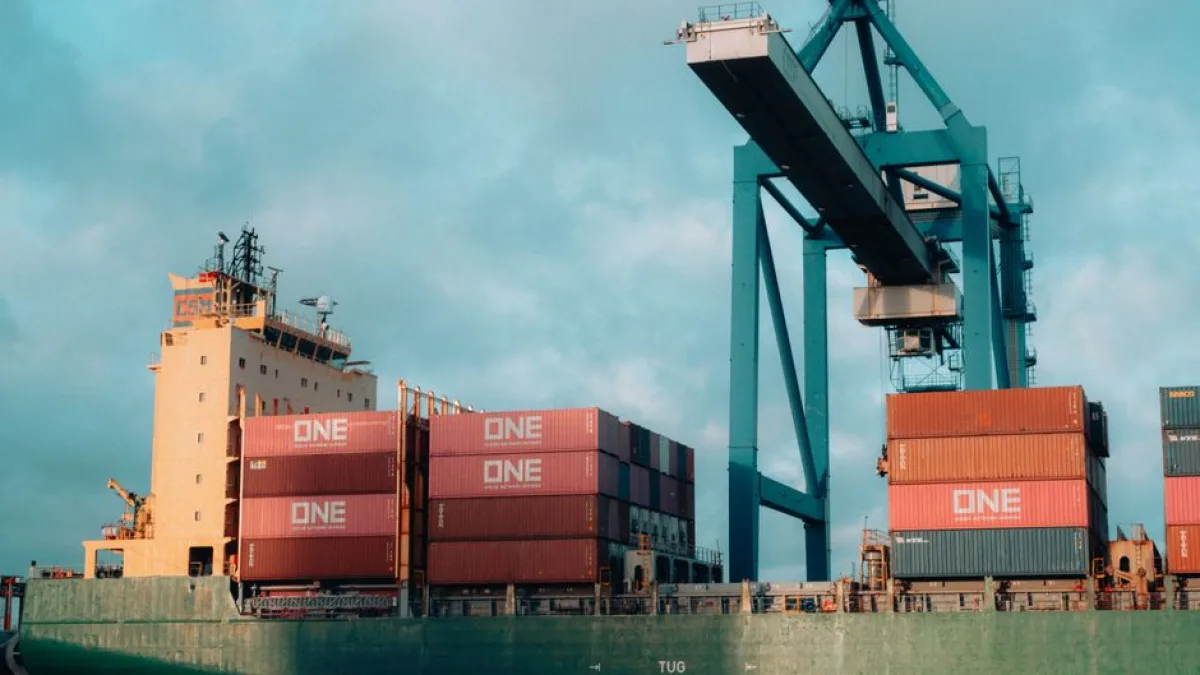
Modernizing your freight operations through technology is the most effective way to scale your business while maintaining high service standards. By integrating digital tools for visibility, documentation, communication, and analytics, forwarders gain a significant competitive advantage. Start auditing your current manual processes today to identify where software can bring immediate efficiency. Embracing innovation ensures your logistics firm stays ahead in an evolving global landscape.