Mastering Digital Freight Operations for Modern Forwarders
Saturday, August 1 2026
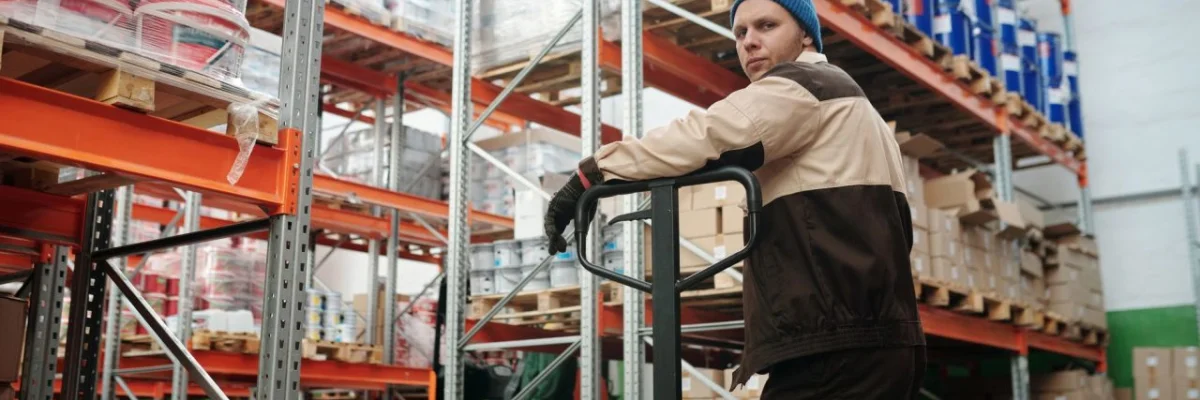
The global logistics landscape is undergoing a massive transformation driven by rapid technological advancement and changing customer expectations. Freight forwarders are increasingly tasked with balancing complex international regulations while maintaining the speed and transparency that modern supply chains demand. Moving away from manual documentation and fragmented communication is no longer just an advantage but a fundamental necessity for survival. By adopting cloud based platforms and integrated digital tools, professionals can reduce operational errors, improve profit margins, and provide a superior experience to clients. This guide explores the essential best practices for forwarders seeking to scale their operations effectively.
Optimizing Shipment Tracking Visibility

Real time tracking provides the foundation for trust between freight forwarders and their clients. By utilizing automated status updates, teams can minimize manual inquiries and focus their energy on solving complex logistical issues that require human expertise and critical decision making skills.
- Automated status updates: Implementing software that pushes live shipment notifications ensures that your clients remain informed without requiring manual status checks from your busy team members throughout the day.
- Centralized data access: Having a single source of truth for all tracking milestones prevents communication silos and reduces the risk of errors caused by outdated spreadsheet information.
- Proactive anomaly alerts: Modern digital tools identify delays or routing changes instantly, allowing your staff to communicate solutions to clients before the cargo even leaves the port.
- Customer portal integration: Granting your shippers direct access to a personalized dashboard empowers them to check their shipment progress independently at any time of the day.
- Carrier performance analytics: Regularly reviewing tracking data helps identify which carriers provide the most reliable service, enabling you to build stronger partnerships with the best providers.
Achieving total visibility changes how you manage daily operations by shifting the focus from answering status questions to managing actual logistics flows. When clients can see exactly where their freight is located, their confidence in your services grows significantly. Investing in automated tracking infrastructure creates a competitive edge that keeps your logistics business ahead of the competition while reducing your administrative workload permanently.
Streamlining Documentation and Compliance

Managing complex international documentation often leads to bottlenecks that delay entire shipments. Digital platforms simplify the creation, storage, and retrieval of essential shipping papers, ensuring that compliance standards are met accurately while reducing the time spent on repetitive data entry tasks.
- Standardized document templates: Using consistent digital templates for invoices and bills of lading ensures that your paperwork is always accurate and professional for every single customer shipment.
- Integrated compliance checks: Automated systems flag missing information or regulatory discrepancies during the drafting phase, preventing costly penalties and shipment hold ups at customs borders.
- Cloud document storage: Securely storing all files in the cloud ensures that your team can access critical paperwork from any location without needing physical paper records.
- Digital signature workflows: Incorporating electronic signatures accelerates the approval process by allowing partners and clients to sign important documents instantly from any device or region.
- Audit ready reporting: Maintaining organized digital trails simplifies the process of performing internal audits and provides proof of compliance for any future regulatory review requirements.
Digital documentation is the key to removing friction from the customs clearance process. By moving your paperwork into a unified platform, you effectively eliminate the risks associated with manual data entry and misplaced files. This transition not only speeds up your shipping cycles but also provides your company with a robust framework for handling higher volumes of global freight with total confidence.
Enhancing Team Collaboration Workflows

Efficiency depends on how well your internal teams share information and coordinate tasks. A collaborative digital environment ensures that everyone is on the same page, preventing the costly miscommunications that typically occur when employees rely on fragmented email chains or disconnected internal software systems.
- Internal communication channels: Utilizing integrated messaging within your operating platform keeps project discussions linked to specific shipments, ensuring context is never lost during busy work days.
- Task management boards: Assigning specific responsibilities within a digital task manager helps your team track progress and ensure no shipment steps are missed by staff.
- Shared client profiles: Providing team members with access to comprehensive client history ensures that every interaction is personalized and informed by past shipment preferences.
- Automated team notifications: Triggering alerts when a specific milestone occurs helps your staff coordinate their tasks efficiently without needing to monitor dashboards constantly for new updates.
- Knowledge sharing databases: Building a centralized resource for internal procedures helps new employees onboard faster and keeps all staff updated on the latest routing standards.
When your team works together within a connected platform, the results are immediate. Reduced response times and fewer operational errors lead to improved employee satisfaction and higher service levels for your clients. By fostering a culture of collaboration enabled by smart technology, your freight forwarding business can handle complex challenges with ease, maintaining high standards even during your busiest peak shipping seasons.
Leveraging Data for Strategic Growth

Data is the most valuable asset in the logistics industry. By transforming raw shipment data into actionable insights, forwarders can identify new profit opportunities, optimize their carrier relationships, and make informed decisions that support the long term growth and stability of their entire freight operation.
- Profitability margin tracking: Analyzing shipment costs versus revenue in real time allows your team to identify which routes or services are currently generating the best profits.
- Carrier contract evaluation: Reviewing historical data helps you negotiate better rates and terms with your carriers based on actual volume and performance history over time.
- Growth trend analysis: Monitoring seasonal shipping patterns allows your team to prepare resources in advance, ensuring you are ready to scale during times of high demand.
- Market insight reporting: Utilizing platform reports to identify emerging trade lanes helps your sales team pursue new business opportunities that align with your core service strengths.
- Operational bottleneck identification: Recognizing recurring delays in your process enables you to update your workflows and improve your overall speed to market for future shipments.
Transforming your data into a strategic asset requires a consistent approach to reporting. By regularly reviewing performance metrics, you stay in control of your business trajectory rather than just reacting to market changes. Make sure to dedicate time for management reviews each month to ensure that your current operational goals remain aligned with your broader vision for success in the global market.
Conclusion
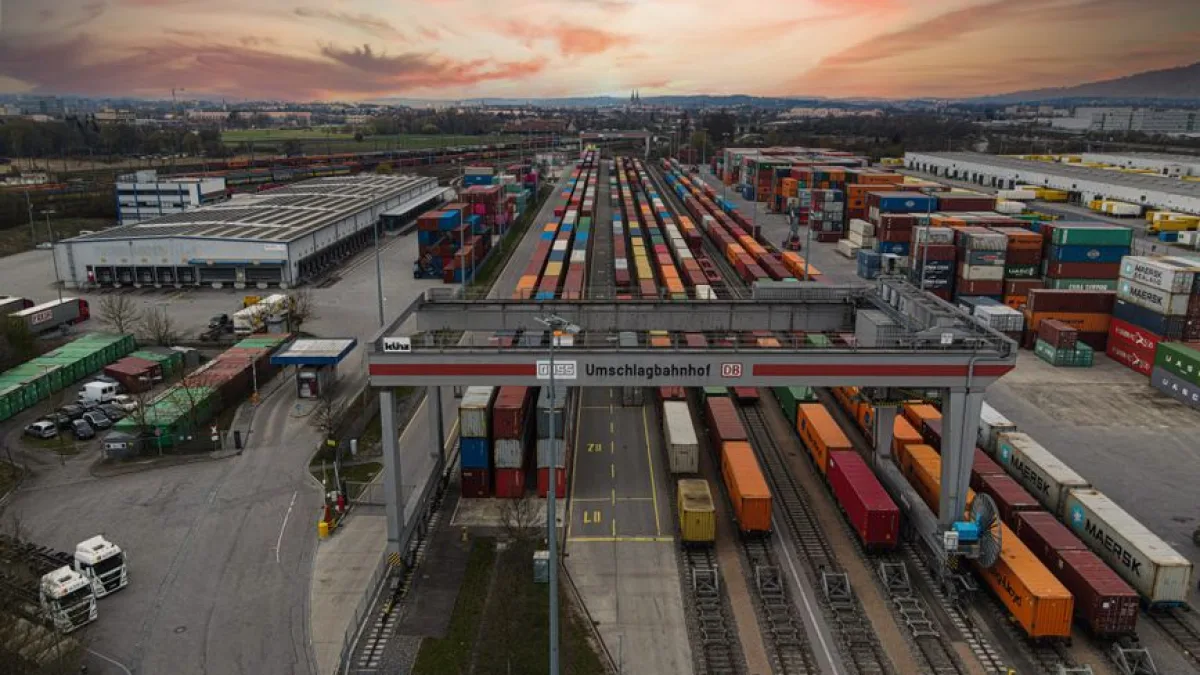
Adopting advanced digital practices is essential for any forwarder aiming to thrive in the modern freight industry. By focusing on visibility, documentation, collaboration, and data analysis, you position your business for sustainable success. Utilize these strategies to transform your operations and deliver exceptional value to your customers. Reach out to the MakeCargo team today to learn how our software helps you implement these critical improvements.