Mastering Digital Freight Operations for Modern Forwarders
Sunday, August 2 2026
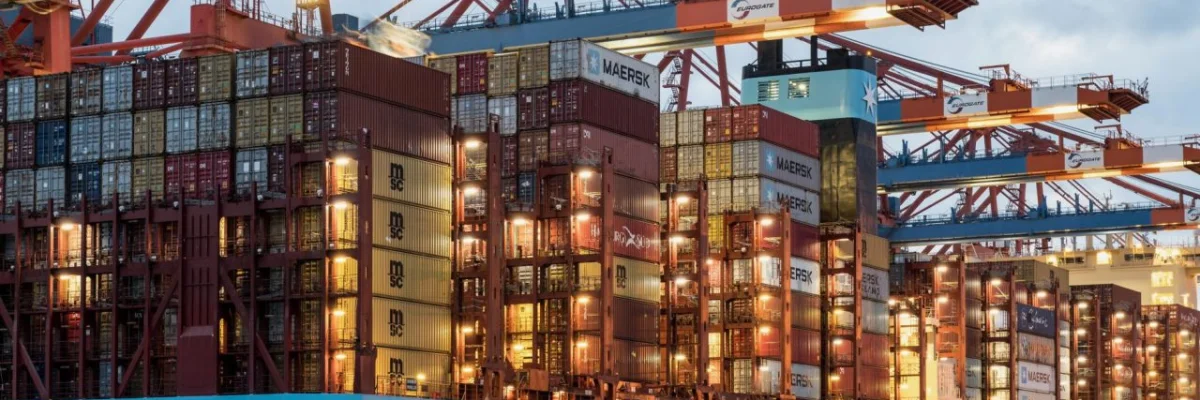
In the rapidly evolving landscape of global logistics, freight forwarders face increasing pressure to modernize their operations. Relying on legacy systems and manual paperwork is no longer a viable strategy for companies aiming to scale their businesses. By embracing cloud-based platforms and automated workflows, forwarders can significantly enhance operational visibility, reduce manual errors, and provide superior service to their clients. Transitioning to digital solutions enables teams to focus on high-value strategic tasks rather than administrative burden, ultimately leading to improved profitability and long-term resilience in an unpredictable market where speed and transparency remain the primary competitive advantages for forwarders.
Optimizing Shipment Tracking Efficiency
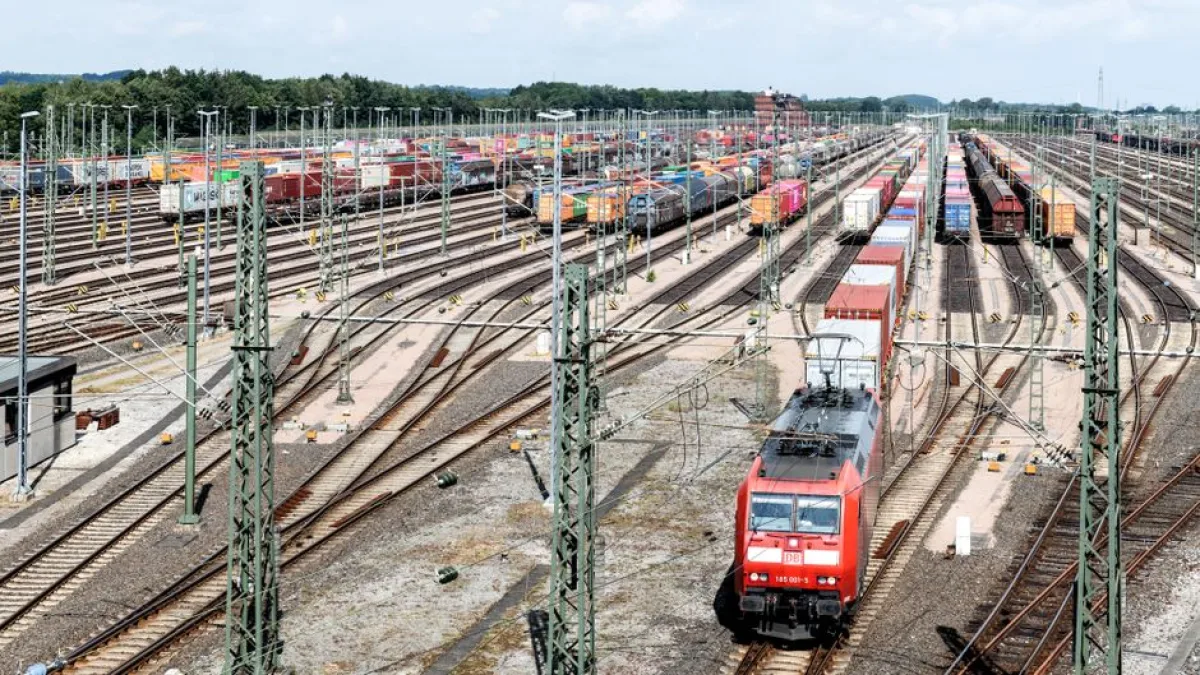
Real-time visibility into shipment movements is the backbone of successful freight forwarding. By utilizing sophisticated tracking tools, forwarders can provide proactive updates to their customers and solve potential disruptions before they impact the final delivery schedule for the consignees.
- Real-time data synchronization: Automated systems ensure that shipment status updates are pushed instantly to stakeholders, eliminating the need for manual status checks and reducing communication overhead for your team.
- Proactive disruption management: Integrated tracking software alerts your operations staff to delays early, allowing for quick rerouting and minimizing the impact on the client supply chain schedule.
- Enhanced client transparency: Providing your customers with a branded portal for shipment visibility increases their trust and reduces the number of time-consuming inquiries hitting your office.
- Centralized shipment logs: Maintaining a single source of truth for all shipment documents and milestone updates prevents data silos and helps your team stay fully organized.
Implementing these tracking improvements allows your logistics team to shift from a reactive stance to a proactive operational model. When customers can see exactly where their cargo is located, their confidence in your services grows exponentially. This level of clarity not only boosts client satisfaction rates but also allows your staff to dedicate their time toward managing complex exceptions instead of answering emails.
Streamlining Documentation and Compliance

Paperwork errors are a common source of delays and financial penalties in the shipping industry. Transitioning to automated document management systems ensures that all compliance tasks are completed accurately and stored securely for easy retrieval during customs inspections.
- Automated document generation: Standardize your shipping forms and customs declarations by pulling data directly from shipment files to ensure accuracy and reduce human input errors significantly.
- Secure document storage: Keeping all essential shipping files within a cloud database ensures that your team can access vital records from any location without delay.
- Compliance tracking updates: Automated reminders help your operations staff monitor expiration dates for licenses or permits, preventing shipment holds during critical transit windows for your cargo.
- Version control systems: Digital platforms ensure that everyone on your team is working from the latest document version, preventing miscommunications between customs brokers and your agents.
Adopting a digital-first approach to documentation transforms how your company handles complex trade compliance. By removing the risk of lost paperwork or clerical mistakes, you create a more reliable workflow for your global operations team. This transition not only protects your bottom line from expensive penalties but also speeds up the entire transit process for every shipment under your management.
Improving Communication With Partners

Clear communication is the lifeblood of international freight forwarding, connecting carriers, agents, and clients. Improving your messaging flows through a unified digital platform helps eliminate the confusion that often arises from scattered emails and disconnected messaging threads.
- Unified communication logs: Keeping all partner messages attached to specific shipment files prevents information loss and ensures that every team member understands the current project status.
- Standardized messaging templates: Using consistent templates for common queries and requests ensures that your agents deliver clear instructions to overseas partners and local carriers everywhere.
- Internal chat integration: Moving team discussions into the project management tool keeps everyone aligned and makes it easier to track decisions throughout the shipment lifecycle.
- Partner portal access: Granting your overseas agents access to specific shipment data reduces the need for constant status emails and speeds up the handling process.
When you unify your communication channels, you effectively eliminate the bottlenecks that slow down your daily operations. By centralizing all messages within your software, you guarantee that no vital information is missed during the busy peak seasons. This streamlined approach fosters stronger relationships with your logistics partners while ensuring that your internal team remains focused on delivering excellent service at every stage.
Scaling Through Automated Billing

Financial management is often the most neglected area in freight forwarding software. Automating your billing processes ensures that invoices are issued quickly and payments are tracked accurately, protecting your cash flow and reducing the administrative workload on accountants.
- Automated invoice generation: Trigger bill creation the moment a milestone is completed, ensuring that your company gets paid faster while maintaining perfect accuracy in every billing statement.
- Smart expense tracking: Categorizing costs directly within the shipment file helps your team understand profit margins per shipment immediately upon the completion of each logistics project.
- Integration with accounting: Connecting your freight platform with standard accounting software removes the need for manual data entry and minimizes the risk of expensive errors.
- Payment status monitoring: Automated alerts remind clients about pending invoices, which helps you manage your company cash flow effectively and avoids late payment issues entirely.
Efficient billing systems are essential for the long-term growth of any freight forwarding business. By removing the manual burden of invoice creation and tracking, you free up your finance team to focus on strategic growth rather than basic data entry. This investment in automation ultimately improves your bottom line, giving you the necessary resources to expand your services and capabilities.
Conclusion

Modernizing your freight operations is a necessary step for forwarders who want to thrive in an increasingly digital industry. By choosing to implement these best practices and leveraging cloud-based platforms, you position your business to scale while maintaining high operational quality. Start optimizing your core workflows today to ensure your team remains competitive, efficient, and ready to meet the future demands of global trade.