Mastering Digital Freight Operations for Modern Forwarding
Monday, August 3 2026
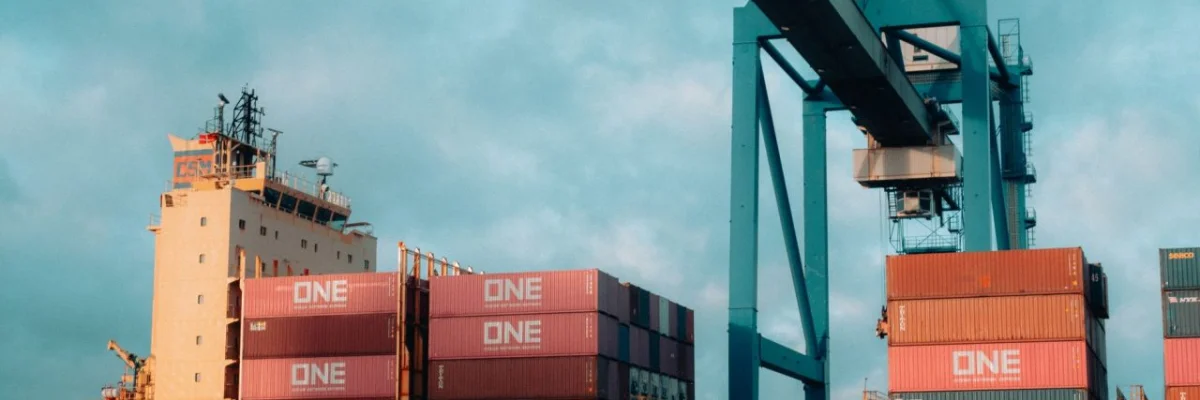
The global logistics landscape is shifting rapidly toward digital transformation as freight forwarders face increasing pressure to provide transparency and speed. Managing complex supply chains requires more than traditional manual processes to stay competitive in a data-driven market. By adopting cloud-based platforms, professionals can gain real-time visibility into shipments, minimize human errors, and enhance communication across international borders. This shift is not just about keeping pace with technological advancement, but about building a resilient foundation that supports long-term growth and operational excellence for your logistics business in an increasingly complex and interconnected world.
Automating Shipment Documentation

Digitizing your documentation workflow is the first step toward reclaiming countless hours lost to manual data entry. By automating repetitive tasks, your team can focus on complex problem solving while ensuring high accuracy across every single shipment file created.
- Automated Data Capture: Intelligent software extracts critical information from scanned invoices and bills of lading to populate your management system, effectively reducing manual typing errors and saving significant operational hours.
- Centralized Document Storage: All essential shipment files are securely stored in one cloud location, making it incredibly simple for your team to retrieve information whenever a client inquiry arrives.
- Standardized File Templates: Utilizing pre-built templates ensures that every document generated meets international shipping standards, maintaining a professional image while avoiding common mistakes during the critical preparation of paperwork.
- Real-time Validation Checks: Built-in validation tools check your data for inconsistencies before submission, which helps avoid costly customs delays and keeps your freight moving smoothly through global transit ports.
Transitioning away from paper-heavy workflows allows your staff to operate with much higher efficiency and confidence. When digital tools handle the heavy lifting of data organization, your team gains the freedom to prioritize high-value tasks such as account management and strategic growth planning. Investing in automation today will pay significant dividends as your freight forwarding operation scales to meet increasing global demand throughout future years.
Optimizing Real-time Cargo Tracking
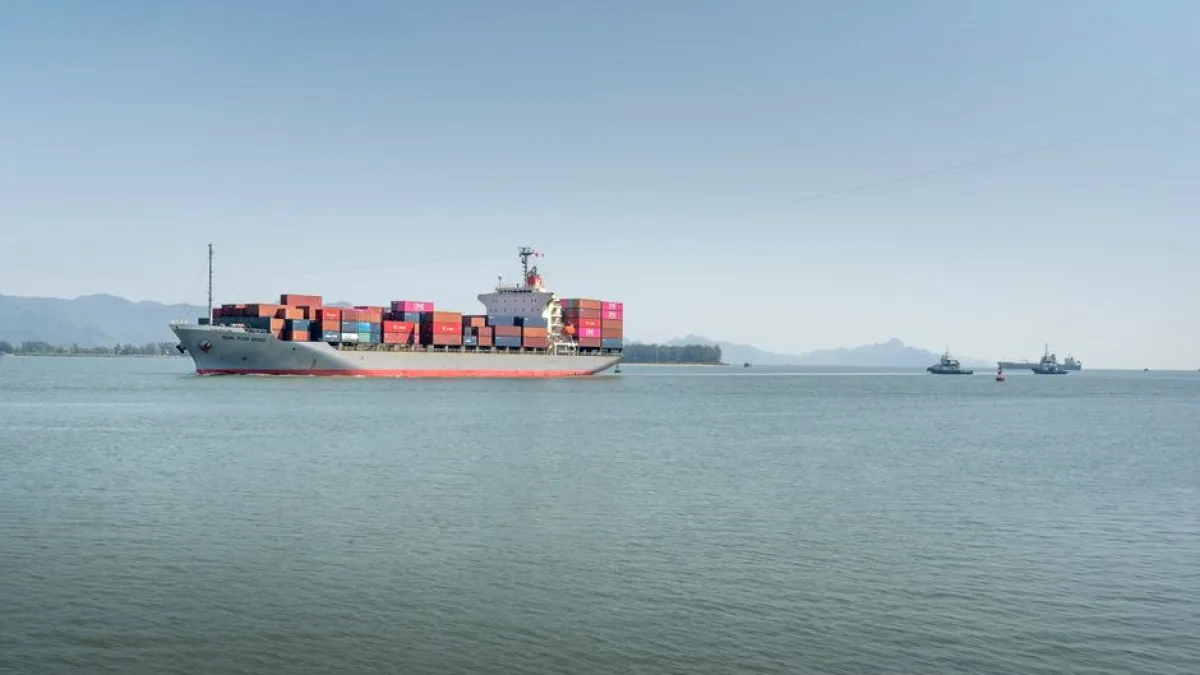
Modern customers expect constant updates regarding their cargo status throughout the entire journey. Providing transparent, live tracking data helps build lasting trust while reducing the frequency of repetitive status check calls coming into your busy logistics customer service team.
- Live Status Updates: Integration with carrier APIs ensures that your tracking portal always displays the latest location of cargo, keeping clients informed without requiring any manual updates from agents.
- Proactive Delay Notifications: Automated systems monitor vessel schedules and send immediate alerts to clients if disruptions occur, allowing you to manage expectations before problems impact the final delivery.
- Customized Client Portals: Providing a dedicated portal where clients can view their own shipment journeys creates a premium experience that sets your freight forwarding business apart from competitors.
- Granular Shipment Milestones: Break down the journey into clear, actionable steps so that stakeholders understand exactly where their goods reside at every stage of the global supply chain.
Enhancing your visibility capabilities is essential for maintaining client retention in today's competitive shipping environment. By putting accurate, live data directly into the hands of your partners, you foster transparency and reduce the internal administrative load required to manage information requests. A robust tracking system acts as a powerful marketing asset that proves your commitment to service quality and technological leadership across industries.
Streamlining Financial Management

Managing freight finances involves complex invoice reconciliation and timely collection of payments. Integrating your accounting processes directly into your operational platform minimizes leakage and ensures that cash flow remains consistent throughout your busy peak shipping seasons every year.
- Instant Invoice Generation: Automatically generate accurate invoices based on the specific services performed for each shipment, ensuring that billing happens immediately after the cargo milestone is officially achieved.
- Automated Currency Conversion: Handle international payments effortlessly with systems that calculate exchange rates in real time, protecting your profit margins from unexpected fluctuations in volatile global financial markets.
- Integrated Payment Portals: Allow your customers to settle their accounts directly through a secure online payment interface to shorten your cash collection cycle and improve overall liquidity.
- Unified Financial Reporting: Gain deep visibility into your profit and loss metrics per shipment, enabling you to identify which routes or services generate the best returns for business.
Keeping a tight grasp on your financial operations is fundamental to the sustainability of any freight forwarder. When your billing is integrated with your operational data, you eliminate the risk of forgotten charges and slow invoicing cycles. This streamlined approach keeps your books balanced and provides leadership with the clear insights needed to make informed decisions regarding future business investments and expansion strategies.
Scaling Through Cloud Integration

Cloud integration provides the flexibility required to scale your business operations without the need for massive on-site server infrastructure. This scalability ensures that your software grows alongside your company, allowing you to onboard new staff and manage more cargo volumes with ease.
- Seamless Team Collaboration: Cloud platforms enable remote teams to work from anywhere in the world simultaneously, ensuring that critical freight information remains synchronized across all your global offices.
- Enhanced Data Security: Protect your sensitive client and cargo information with enterprise grade encryption and regular automated backups that keep your business protected from potential digital threats.
- Flexible System Access: Grant specific user permissions based on roles, ensuring that every team member has exactly the tools they need to perform their jobs without compromising data.
- Third Party Integrations: Easily connect your primary platform with external accounting, CRM, or carrier software to build a custom tech ecosystem that perfectly matches your unique operational requirements.
Embracing a cloud-native architecture prepares your business for long-term success by removing the barriers associated with legacy hardware. The ability to pivot quickly, integrate new tools, and support a global workforce provides a competitive edge that is nearly impossible to match with outdated systems. By moving your operations to the cloud, you are future-proofing your forwarding agency against the challenges of a digital world.
Conclusion

Leveraging specialized software for freight operations is no longer optional for companies aiming to lead the market. By automating documentation, enhancing cargo visibility, securing financial health, and utilizing cloud infrastructure, you position your firm for sustainable growth. Start evaluating your current processes today to identify areas where technology can drive efficiency, and reach out to our team to see how MakeCargo simplifies your logistics workflow.