Mastering Digital Freight Operations for Modern Forwarders
Saturday, August 22 2026

In the rapidly evolving landscape of global logistics, freight forwarders face unprecedented pressure to increase operational efficiency while navigating complex regulatory environments and volatile market demands. Relying on manual spreadsheets and disconnected communication channels is no longer a sustainable strategy for companies aiming to scale. Embracing cloud-based software allows firms to centralize data, improve transparency for clients, and accelerate the decision-making process. By shifting focus toward automated workflows and real-time visibility, forwarders can reclaim valuable time, reduce costly human errors, and position themselves as reliable partners in the global supply chain, ultimately driving long-term growth and sustained profitability.
Optimizing Shipment Tracking Efficiency
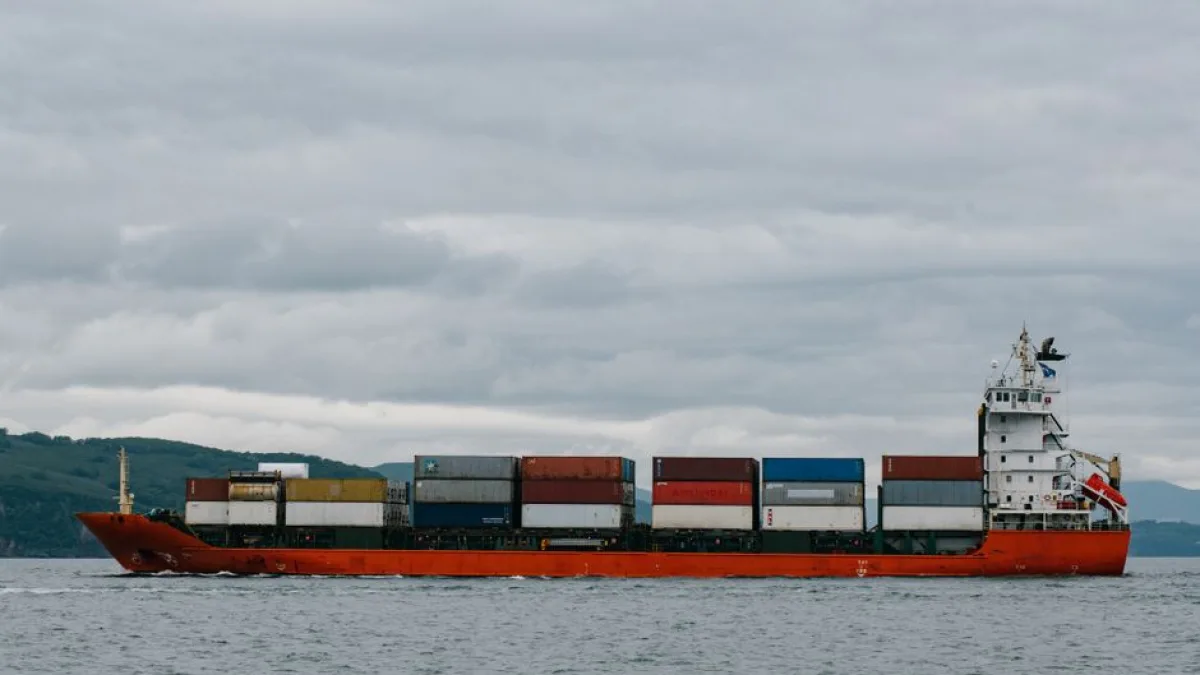
Real-time visibility acts as the backbone of modern freight operations, allowing teams to monitor cargo movements closely and proactively manage exceptions. By integrating digital tracking systems, forwarders can provide clients with accurate updates, significantly reducing the volume of inbound status inquiries.
- Automated status updates: Configure your platform to trigger automatic notifications for clients whenever a shipment reaches a milestone, ensuring stakeholders are constantly informed without requiring constant manual data input.
- Centralized tracking data: Consolidate information from various carriers and regional agents into one dashboard to prevent data silos and ensure that every team member accesses identical, live details.
- Proactive exception management: Utilize advanced monitoring tools to identify potential delays before they escalate into major issues, allowing your logistics coordinators to find alternative routes or solutions quickly.
- Client portal access: Enable your customers to log into a secure portal where they can retrieve documents and view live tracking details independently, improving their overall service satisfaction.
Transforming how you track cargo requires a shift toward transparency and automated reporting protocols. When your internal teams spend less time hunting for shipment data, they become free to focus on solving high-value logistical problems. This proactive approach not only builds immense trust with your client base but also creates a scalable operational framework that supports business expansion across competitive global markets.
Streamlining Document Management Workflows
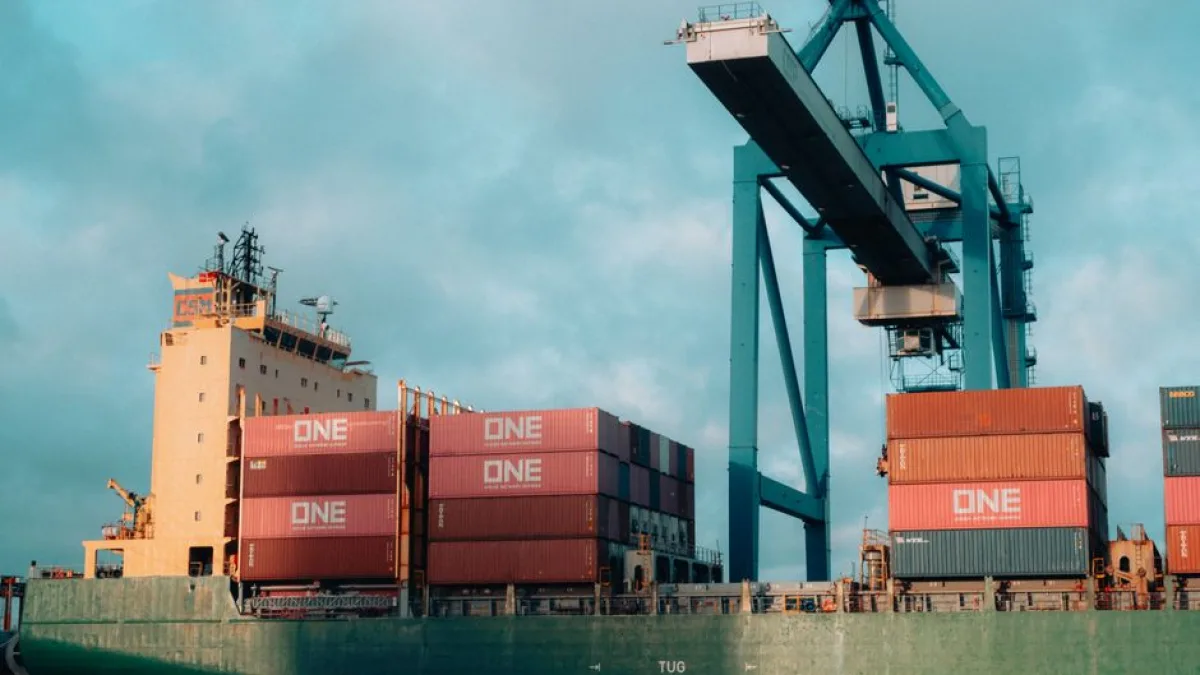
Managing countless bills of lading, customs declarations, and commercial invoices often creates bottlenecks that stall international shipments. Transitioning to digital document management systems enables faster processing cycles, improves compliance, and keeps essential paperwork organized within a secure cloud-based environment for quick retrieval.
- Cloud document storage: Upload every shipment document into a centralized repository, making it easy for authorized staff to find files instantly without searching through physical filing cabinets or emails.
- Digital signature integration: Adopt electronic signature tools to finalize contracts and authorization forms remotely, which drastically cuts down on the time previously wasted waiting for physical courier deliveries.
- Automated compliance checks: Program your software to flag missing information or incorrect customs codes on shipping documents, ensuring that every file meets international standards before submission to authorities.
- Version control systems: Use platform features that track every change made to a document, providing a clear audit trail that helps resolve discrepancies between carriers and shipping partners.
Efficient document handling serves as a quiet engine that drives successful freight operations. By eliminating paper-based manual tasks, forwarders significantly reduce the risk of clerical errors that often lead to heavy customs fines or costly port delays. Investing in digital organization transforms the daily administrative experience, allowing your staff to focus their expertise on logistics strategy instead of tedious data entry processes.
Enhancing Communication With Partners

Effective collaboration between agents, carriers, and internal teams remains critical for success in the freight forwarding industry. When communication remains fragmented across various email threads and phone calls, vital information easily slips through the cracks, often leading to avoidable mistakes and damaged client relationships.
- Integrated messaging tools: Use internal communication features linked directly to specific shipment files to keep all relevant discussions documented and accessible for every team member involved in operations.
- Vendor portal connectivity: Invite your international agents and partners to log into your platform to submit rates and shipment updates directly, reducing the need for lengthy email chains.
- Task management assignment: Allocate specific operational tasks to individual employees within the software, ensuring that accountability is clear and that no urgent shipping requirement remains unaddressed during transitions.
- Standardized response templates: Create pre-written response templates for common inquiries to ensure that your customer support team delivers consistent, professional, and rapid information to clients at all times.
Unified communication creates a synchronized workspace where every team member stays aligned on project goals and shipment timelines. By moving away from decentralized email communication, forwarders can foster a collaborative culture that values clarity and speed. This organizational shift reduces confusion during busy peak seasons and ensures that every stakeholder remains informed, ultimately resulting in smoother logistics operations and higher client retention rates.
Leveraging Advanced Data Analytics

Data represents a powerful tool for forwarders looking to uncover hidden inefficiencies and identify opportunities for growth. By analyzing past shipment trends and operational performance metrics, management can make informed decisions that optimize routes, lower overhead costs, and sharpen competitive pricing strategies in a crowded marketplace.
- Performance metric monitoring: Track key performance indicators like carrier reliability and average transit times to identify which shipping lanes offer the best value for your specific client requirements.
- Revenue growth analysis: Utilize reporting tools to examine profit margins per shipment, helping your sales team identify the most lucrative service areas and refine their long-term growth strategy.
- Trend forecasting tools: Examine seasonal shipment volumes to better anticipate future capacity needs, allowing your company to negotiate better rates with carriers and improve planning before peak season.
- Operational bottleneck identification: Review logs to pinpoint recurring delays or administrative failures, allowing you to re-engineer those specific processes and enhance the overall speed of your freight forwarding.
Turning raw shipping data into actionable insights marks the transition from reactive forwarding to strategic logistics management. When you base business decisions on accurate performance analytics, you minimize financial risk and capitalize on emerging market opportunities. Developing this data-driven mindset ensures your firm stays agile and resilient, providing the flexibility needed to thrive in the constantly shifting global economic climate of today.
Conclusion

Adopting advanced freight software is essential for forwarders who want to maintain a competitive advantage in a digital world. By prioritizing automation, transparent communication, and data-driven strategy, you can optimize your operations and deliver superior service to your clients. Start modernizing your processes today to build a more resilient, efficient, and profitable logistics business that is prepared for future industry challenges.