Mastering Digital Freight Operations for Modern Forwarders
Monday, August 31 2026

The global logistics landscape is undergoing a massive transformation driven by rapid technological advancements and shifting market expectations. Freight forwarders are currently facing pressure to move away from manual, spreadsheet-heavy processes toward more integrated digital solutions. By adopting cloud-based platforms, logistics providers can gain real-time visibility into their supply chain, reduce administrative errors, and significantly improve service delivery speed. This shift is no longer just a competitive advantage but a fundamental requirement for long-term viability in the industry. Embracing this digital transition allows teams to focus on strategic growth rather than getting bogged down by repetitive documentation tasks.
Automating Essential Documentation

Manual data entry remains a primary bottleneck for logistics teams, often leading to costly errors and delays in clearance. Implementing automated document management systems ensures that information flows seamlessly from shippers to carriers without unnecessary human intervention or repetitive tasking.
- Reducing Data Errors: Automated extraction tools pull critical information from bills of lading and invoices to prevent typos and discrepancies that frequently cause clearance issues at border crossings.
- Faster Document Processing: Digital workflows enable teams to generate, review, and approve shipping documentation in minutes rather than hours, ensuring that cargo stays on schedule at all times.
- Centralized Document Storage: Keeping all client files in a secure cloud repository allows authorized users to access necessary records from anywhere in the world during audits or inquiries.
- Compliance Monitoring Tools: Integrated systems automatically flag missing information or regulatory compliance gaps before documents are submitted to customs authorities to ensure smooth and efficient trade operations.
- Increased Team Productivity: By eliminating manual file handling, staff can dedicate their time to high-value client communication and complex problem solving instead of mundane data processing chores daily.
Transitioning to automated documentation marks the first step toward operational excellence. When manual effort is replaced by intelligent software, the frequency of human error drops dramatically. This creates a more reliable service offering that builds trust with shippers. Companies that invest early in these digital tools often report higher client satisfaction scores and lower operational overheads within their first year of system implementation.
Optimizing Shipment Tracking Visibility
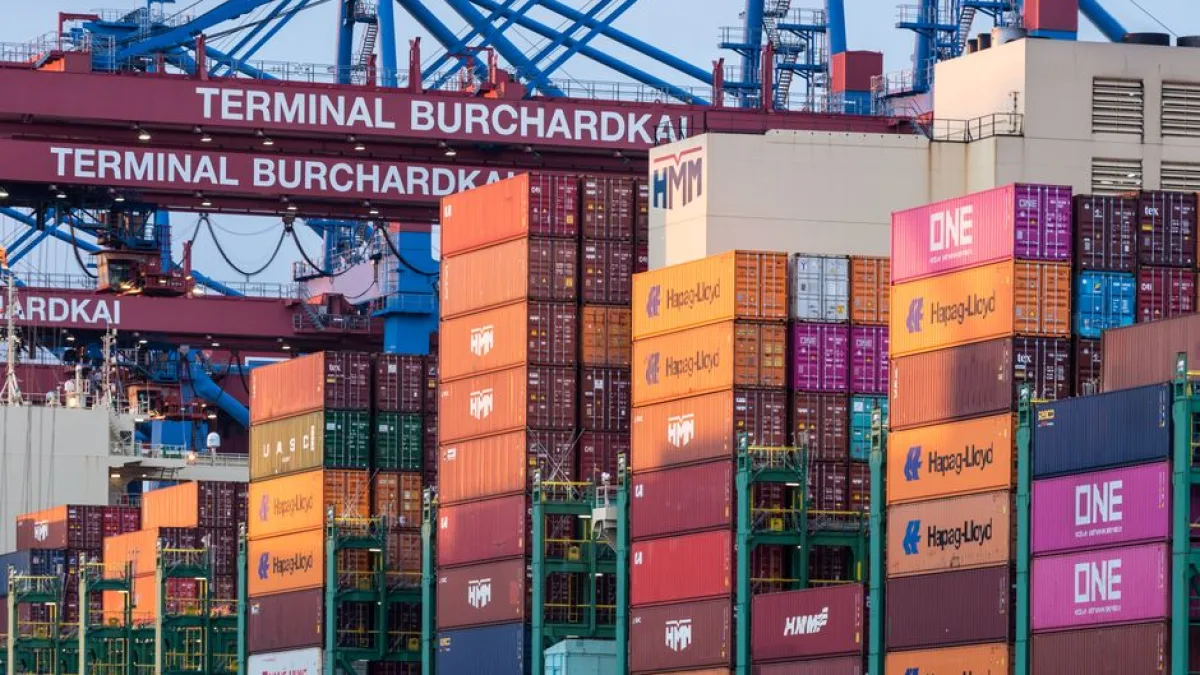
Transparency is the most requested feature by modern shippers who need to know exactly where their goods are at every stage of the journey. Achieving high-level visibility requires sophisticated tracking software that connects directly with global carrier databases.
- Real-Time Status Updates: Integration with ocean and air carrier networks provides live location data to your dashboard so that clients receive accurate updates about their current shipment status.
- Proactive Delay Alerts: Automated systems monitor global events and weather patterns, sending immediate notifications to your team when a scheduled arrival time needs to be updated for clients.
- Enhanced Client Portals: Dedicated customer access points allow shippers to view their own logistics data without needing to contact your support team for every simple status inquiry.
- Carrier Performance Analysis: Tracking software collects data on partner reliability, allowing forwarders to choose carriers that consistently meet deadlines and avoid routes prone to frequent congestion issues.
- Streamlined Communication Flows: Instant updates shared via automated emails reduce the need for constant phone calls, freeing up your customer service representatives to handle more complex shipments.
Providing granular visibility into the supply chain turns a standard freight service into a premium logistics experience. When clients see that their forwarder uses modern tracking tools, they feel a greater sense of security regarding their cargo. This level of transparency fosters long-term relationships and encourages repeat business, which is essential for scaling operations in a competitive and volatile global market.
Streamlining Financial Management Workflows

Managing freight finances involves complex invoice reconciliation, currency conversions, and multi-party settlement processes. Digital platforms simplify these tasks by integrating accounting directly into the operations flow to ensure billing accuracy and faster cash flow for firms.
- Automated Invoice Auditing: Systems automatically cross-reference supplier quotes against final invoices to identify discrepancies or overcharges, protecting your profit margins from unexpected costs throughout the shipping cycle.
- Simplified Currency Handling: Managing international freight requires handling multiple currencies, and integrated software ensures that all financial conversions are calculated at accurate daily exchange rates automatically.
- Improved Cash Flow: Faster generation of invoices and automated payment reminders lead to shorter payment cycles, ensuring that your firm maintains healthy liquidity for future operational investments.
- Unified Reporting Modules: Detailed financial dashboards provide a clear picture of your company profitability per lane, helping management make informed decisions about future business growth and expansion.
- Seamless Accounting Integrations: Synchronizing data with major accounting platforms prevents double entry of financial records and ensures that your tax filings are accurate and ready for audit.
Streamlined financial management is the backbone of a sustainable freight forwarding business. By removing the silos between operational execution and accounting, your company can achieve unprecedented clarity regarding its true margins. This allows for more aggressive pricing strategies and better planning for seasonal demand spikes. Ultimately, efficient financial control is what differentiates highly profitable logistics firms from those that struggle with cash cycles.
Scalable Infrastructure for Future Growth
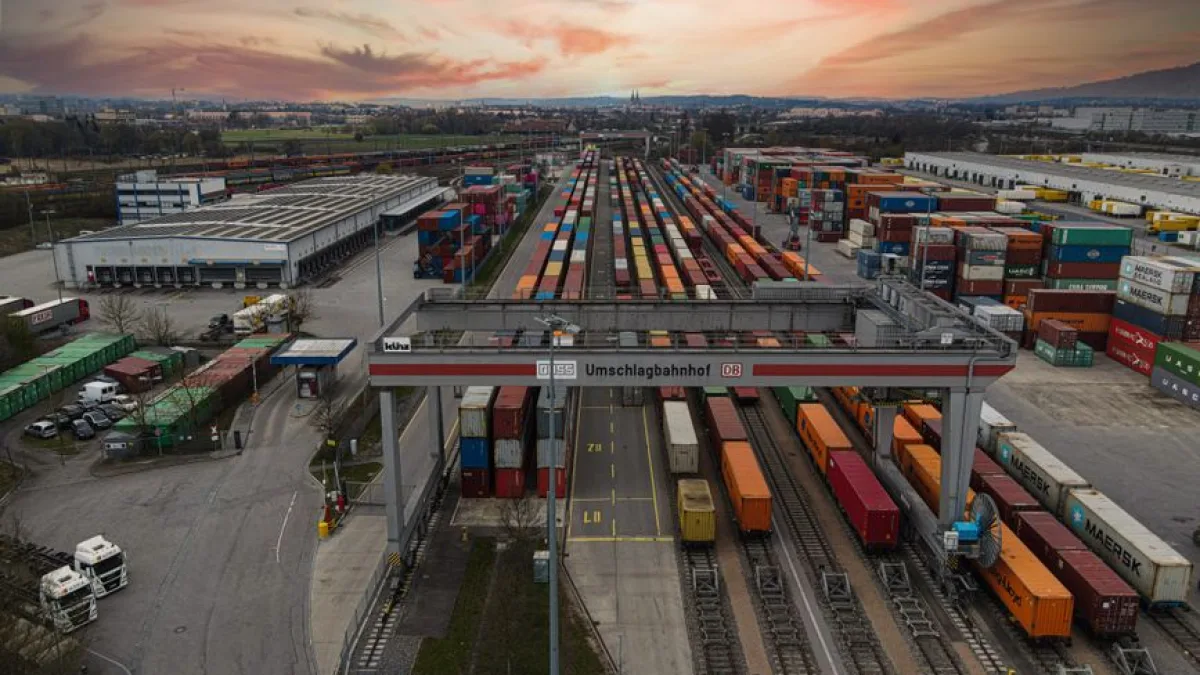
As your forwarding business grows, your operational infrastructure must be capable of handling increased volume without breaking. Cloud-based platforms are inherently scalable, allowing your team to add new branches, partners, or service lanes with minimal technical effort and costs.
- Flexible User Permissions: Scalable systems allow administrators to quickly add new employees or external partners with customized access levels, ensuring security remains tight as your team expands globally.
- Support for Expansion: Adding new shipping lanes or complex logistics services requires minimal system configuration changes compared to legacy software that often demands expensive hardware or server upgrades.
- High System Availability: Cloud infrastructure ensures your operations remain online and accessible at all times, protecting your business from downtime that could result in significant revenue losses.
- Consistent Software Updates: Leveraging a SaaS model means your platform receives continuous updates and new feature deployments, ensuring you are always utilizing the latest industry tools available.
- Centralized Network Control: Managing multiple global offices from one unified interface keeps your organization aligned and provides leadership with total oversight across all regional business segments daily.
Building a scalable foundation is critical for long-term success in the dynamic freight industry. As your company reaches new markets and takes on larger accounts, the software powering your operations must evolve alongside you. By choosing a cloud-native platform now, you avoid the risks of technical debt and ensure that your team is always equipped with the best possible tools for growth.
Conclusion

Modernizing your freight operations is no longer optional for firms that want to remain relevant. By focusing on automation, visibility, financial precision, and scalability, you position your brand as a leader in the global logistics market. While the transition may seem daunting, the benefits of efficiency and client trust are well worth the effort. Start small and transform your operations today for long-term success.