Mastering Digital Freight Operations for Modern Forwarders
Saturday, September 5 2026
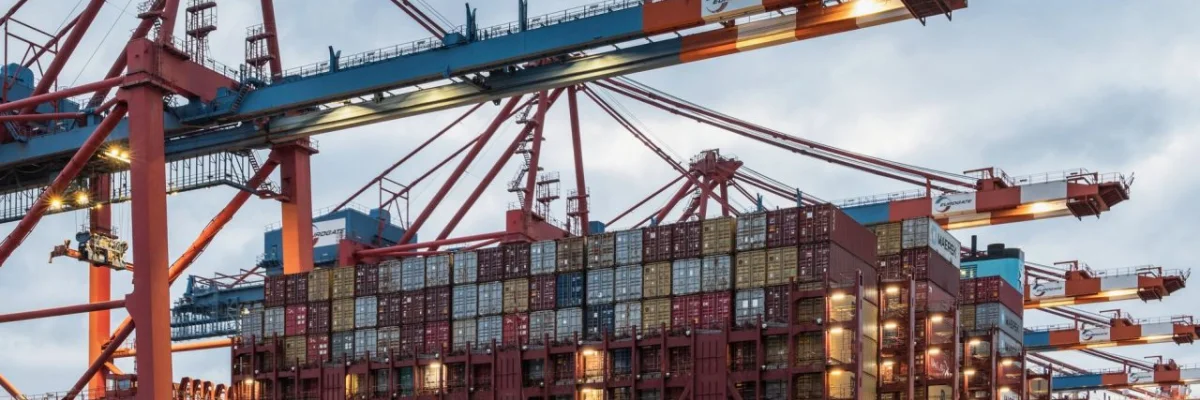
In the rapidly evolving landscape of global logistics, freight forwarders face increasing pressure to modernize their operations. Relying on manual spreadsheets and disconnected communication channels often leads to errors and delays that hurt client trust. Transitioning to a centralized cloud-based platform allows teams to manage complex shipments with greater transparency and speed. By embracing automation, forwarders can reclaim time spent on administrative tasks and focus on building stronger partnerships with carriers and shippers. This shift is not just about keeping pace with competitors but about building a sustainable and scalable foundation for long-term growth in the global supply chain sector.
Optimizing Shipment Tracking Efficiency
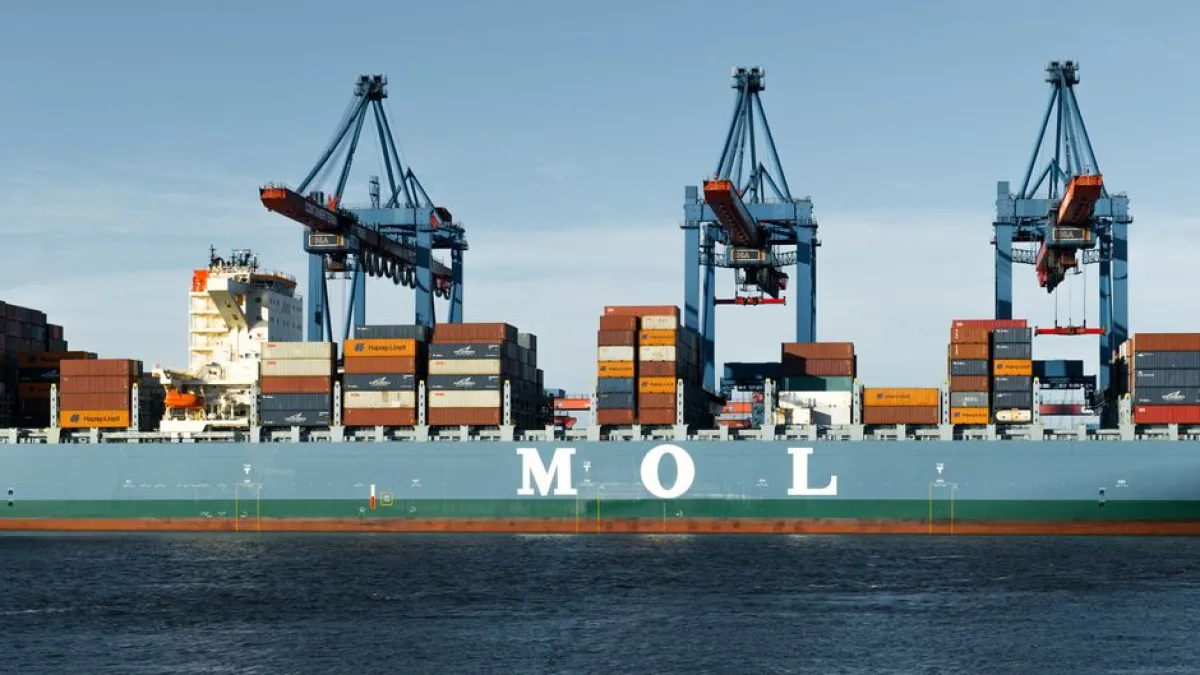
Real-time visibility into your supply chain is the backbone of successful freight forwarding. When clients can track their cargo without constant back-and-forth emails, the entire workflow becomes more transparent. Modern digital tools provide the necessary oversight to keep everyone informed and confident.
- Automated status updates: Configure your platform to send triggers to customers every time a milestone is achieved, reducing the burden on your support team while maintaining high service levels.
- Centralized data access: Store all shipment documents and tracking logs in one secure cloud location to ensure that every team member has access to the most accurate data.
- Predictive delay notifications: Use integrated software to receive early alerts about potential port congestion, allowing you to proactively manage exceptions before they turn into major service failures.
- Interactive client dashboards: Offer your customers a professional portal where they can view historical data and live shipments, which strengthens the relationship and boosts overall brand loyalty.
- Mobile accessibility tools: Enable your team to update shipment statuses on the go, ensuring that field agents and office staff remain synchronized regardless of their physical work location.
By investing in robust tracking capabilities, you effectively eliminate the friction caused by information gaps. Clients feel more secure when they have constant access to updates. Furthermore, your staff will appreciate the reduction in repetitive status update requests. This efficiency gain allows your team to prioritize high-value logistics challenges rather than answering routine questions, ultimately leading to higher client retention and lower operational overhead costs.
Streamlining Documentation and Compliance

Managing complex international trade documentation is often the most time-consuming aspect of freight forwarding. Shifting from paper-based files to digital workflows ensures that customs compliance is maintained while reducing the risk of costly errors or lost paperwork throughout the process.
- Standardized document templates: Create uniform templates for commercial invoices and bills of lading to ensure consistency across every shipment while cutting down on manual data entry time significantly.
- Cloud document storage: Save all compliance paperwork in an indexed, searchable cloud database so that your team can retrieve critical shipping files within seconds during audit periods.
- E-signature integration features: Utilize secure electronic signatures to speed up the approval process, which eliminates the need for physical printing, scanning, and mailing of important customs documents.
- Automated validation checks: Implement logic within your platform to flag missing fields in customs forms, preventing common mistakes that lead to cargo detention or heavy government fines.
- Secure partner sharing: Grant specific access to customs brokers or overseas agents through a controlled digital portal to keep sensitive information protected while improving global team collaboration.
Digital documentation transforms the way your office operates. You reduce physical clutter and ensure that every document is filed correctly in compliance with international regulations. This streamlined approach minimizes the risk of human error that occurs during manual typing. When your documentation process is standardized and automated, your company gains the agility needed to handle higher shipment volumes without adding unnecessary operational headcount.
Enhancing Carrier and Vendor Relations

Strong relationships with reliable carriers and vendors are vital for securing space and competitive rates. Digital platforms foster better communication, making it easier for your partners to work with you. A collaborative approach leads to smoother coordination and fewer logistical headaches.
- Centralized carrier portal: Build a dedicated hub for your carriers to upload their own rates and availability, which simplifies your internal procurement process and improves overall pricing accuracy.
- Automated performance monitoring: Track how often your carriers meet delivery deadlines to identify your most reliable partners, which helps you make informed decisions when booking future freight shipments.
- Instant messaging capabilities: Use internal communication features linked to specific shipments to keep all vendor discussions in one place, avoiding the confusion of disconnected email and phone threads.
- Integrated billing workflows: Simplify the reconciliation process by ensuring all vendor invoices match the shipment data in your system, which speeds up payments and improves your professional reputation.
- Conflict resolution tools: Maintain a clear record of all vendor communications to resolve disputes quickly when issues arise, ensuring that your business relationships remain stable and highly productive.
Building strong digital bridges with your partners pays off in the form of better service and favorable terms. By reducing the administrative burden on your carriers, you become a preferred partner that is easier to work with. This collaborative mindset creates a network of trust, which is essential when global supply chains face sudden disruptions that require quick thinking and immediate collective action.
Scaling Operations Through Smart Automation
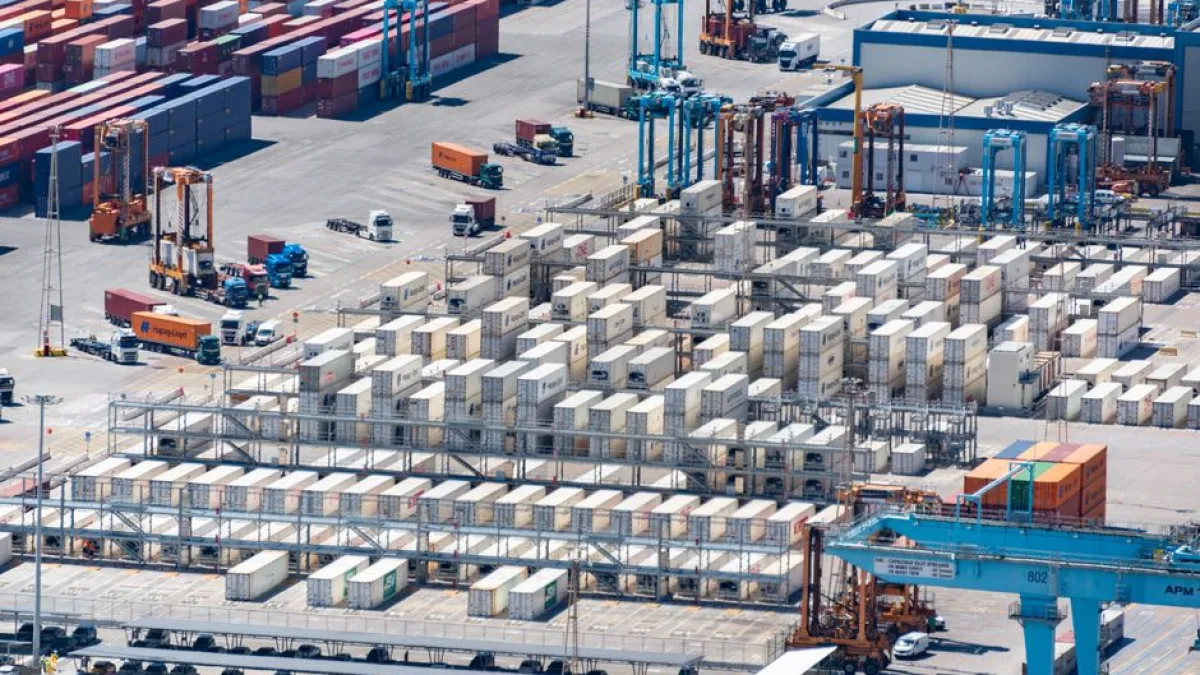
Automation is the key to scaling your freight business without increasing complexity. By automating routine tasks like invoicing and reporting, you allow your staff to focus on strategic growth and customer service. Smart technology choices today prepare your business for the challenges of tomorrow.
- Automated invoicing tasks: Generate invoices instantly upon shipment completion to ensure cash flow remains consistent and accurate, while reducing the time your finance team spends on manual entry.
- Customized reporting tools: Create automated reports on profitability per route or customer, giving leadership the insights needed to identify high-growth areas and pivot strategies when market conditions change.
- System integration capabilities: Connect your freight software with accounting packages and CRM tools to create a seamless flow of data across your entire organizational infrastructure and processes.
- Task management automation: Set automated reminders for your team to check on pending tasks, which ensures that no shipment detail is ever overlooked throughout the entire cargo lifecycle.
- Scalable cloud architecture: Choose a software platform that grows with your business, allowing you to add new users and features without worrying about expensive hardware or server maintenance.
Automation acts as the engine for your future expansion. It empowers your employees to handle more work with higher quality by removing the manual labor from common daily tasks. As you scale, the data-driven insights provided by your software will become invaluable for making high-level strategic decisions. Embracing these technologies now secures your position as an industry leader in an increasingly automated global market.
Conclusion
Digital transformation is no longer optional for freight forwarders who want to remain relevant in a competitive industry. By leveraging cloud-based platforms to automate tasks, improve visibility, and streamline communication, your team can achieve operational excellence. Start by evaluating your current bottlenecks and finding the right technology to address them. Investing in these digital strategies today will ensure your logistics business is prepared for tomorrow.