Mastering Digital Freight Operations for Modern Forwarders
Saturday, September 12 2026

In the rapidly evolving landscape of global logistics, freight forwarders must transition from manual legacy systems to agile digital solutions to maintain a competitive advantage. The complexity of modern supply chains requires precise coordination, transparent communication, and rapid data processing to meet customer expectations. By integrating cloud-based platforms into your daily operations, your team can automate redundant tasks and focus on building high-value client relationships. This shift not only reduces human error during documentation processes but also provides the scalable infrastructure necessary to handle sudden market fluctuations and global demand shifts with unprecedented ease and professional accuracy.
Optimizing Shipment Tracking Visibility
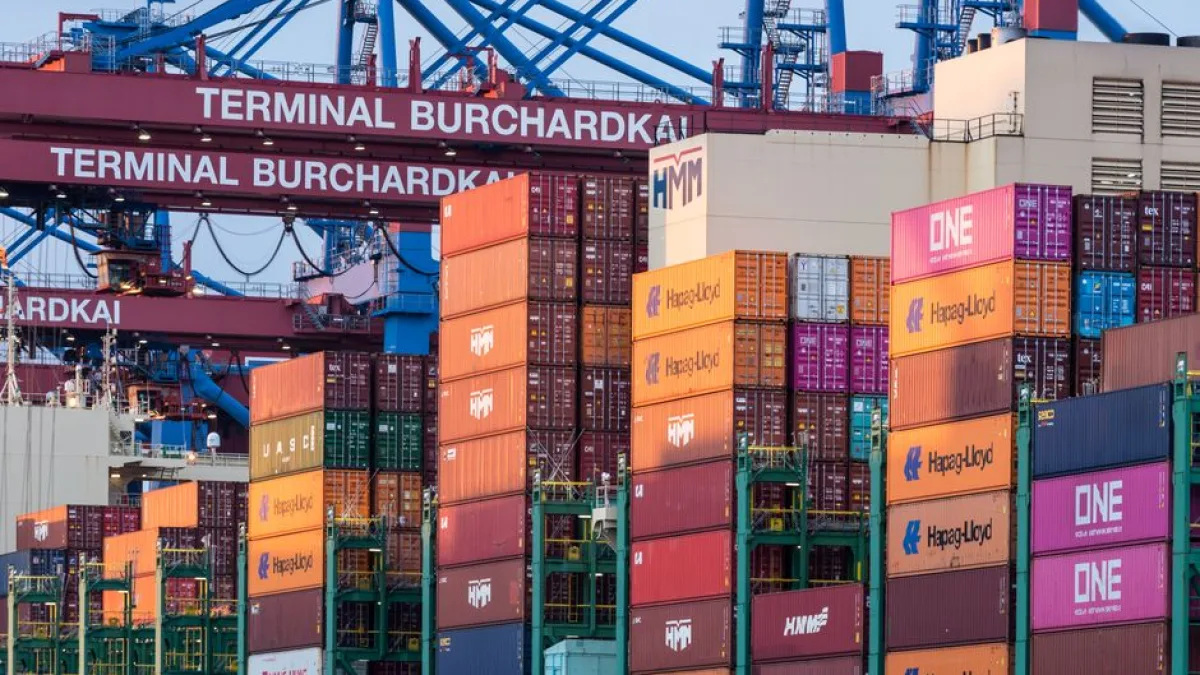
Real-time visibility represents the backbone of successful freight forwarding because clients demand immediate updates on their cargo status. Modern tracking tools bridge the gap between global shipping lines and local warehouses to provide accurate status reports for every single shipment.
- Automated status updates: Deploy automated notification systems that send real-time alerts to customers whenever a container clears customs or arrives at a port, reducing the need for manual status queries.
- Centralized data management: Consolidate all tracking information into a single cloud dashboard to prevent communication silos and ensure that every team member accesses identical, up-to-date shipment information daily.
- Proactive delay management: Utilize predictive analytics tools that identify potential transit delays before they occur, allowing your team to proactively suggest rerouting strategies or alternative logistics options to clients.
- Enhanced client portals: Provide your customers with private login access to their own dashboards, enabling them to monitor their active freight movements without requiring constant staff intervention or emails.
Establishing a robust tracking infrastructure serves as the primary differentiator between average service providers and elite logistics partners. When clients see precise, live data reflected in their portals, their trust in your capabilities increases significantly. By prioritizing technological transparency, you effectively minimize administrative burdens while simultaneously positioning your agency as a forward-thinking entity capable of handling complex global logistics challenges with confidence and reliability.
Streamlining Documentation and Compliance

Digitizing your paperwork is no longer a luxury but a fundamental necessity for maintaining compliance across international borders. Cloud platforms allow teams to manage complex customs declarations and transport documents within a secure, encrypted digital environment accessible from any location.
- Standardized digital templates: Implement unified document templates for bills of lading and commercial invoices to ensure consistency across your entire organization, reducing errors during the critical customs clearing process.
- Secure document storage: Utilize high-security cloud storage solutions that protect sensitive client data and financial records, ensuring you remain fully compliant with evolving international data protection regulations today.
- Instant document sharing: Enable seamless electronic document sharing with partners, carriers, and customs agents to eliminate physical mail costs and decrease processing time by several business days globally.
- Version control systems: Maintain rigorous version control for all freight contracts to prevent costly misunderstandings, ensuring that every stakeholder works from the most current and approved document versions.
Adopting a paperless approach transforms how your office handles the mountain of regulatory paperwork required in international trade. As you reduce your reliance on physical files, you decrease the likelihood of lost documents and missing signatures. This streamlined methodology ensures that your team spends less time hunting for information and more time finalizing successful freight movements, which ultimately increases your overall operational profitability.
Enhancing Communication with Global Partners

Clear communication between shippers, carriers, and agents remains essential for avoiding expensive misunderstandings in the freight process. Cloud-based platforms centralize all discussions, ensuring that every conversation stays linked to specific shipments for better oversight and faster resolution of logistics problems.
- Integrated messaging tools: Incorporate internal chat features directly within your platform to discuss specific shipping issues, which keeps all related communication stored alongside the relevant shipment record permanently.
- Carrier portal access: Grant your shipping partners limited access to your software, allowing them to upload essential documents or confirm delivery schedules directly without needing complex email threads.
- Collaborative problem solving: Foster a culture of digital collaboration where agents can update local conditions or labor strikes in real time, alerting the entire team to potential risks.
- Multilingual interface support: Select software solutions that offer language translation capabilities to bridge the communication gap when working with international agents across different regions and time zones daily.
Effective communication strategies prevent small issues from ballooning into major service failures that hurt your professional reputation. By maintaining a centralized hub for all project-related dialogues, you ensure that everyone stays aligned regardless of their physical location. This cohesive environment empowers your team to make informed decisions quickly, which helps maintain high standards of service delivery even when navigating highly complex global routes.
Leveraging Data for Strategic Growth

Data analytics provide the deep insights necessary to refine your business model and identify the most profitable trade routes for your agency. By analyzing historical performance metrics, you can make smarter decisions regarding carrier selection, pricing strategies, and resource allocation across your operations.
- Performance tracking metrics: Review key performance indicators like on-time delivery percentages and transit costs regularly to identify areas where your logistics operations could perform more efficiently for clients.
- Carrier profitability analysis: Evaluate historical data to determine which shipping lines provide the best value versus reliability, helping you negotiate better rates and improve your margins over time.
- Financial reporting tools: Utilize automated profit and loss reporting modules to track the financial health of individual accounts, which helps identify your most valuable high-margin client partnerships.
- Market trend insights: Monitor global shipping capacity and rate trends through your software platform to anticipate supply chain shocks before your competitors recognize the shifting economic conditions involved.
Turning raw logistics data into actionable strategy allows you to pivot your business operations in response to shifting global demands. When you base your executive decisions on concrete metrics rather than intuition, you reduce risk and maximize the potential for long-term growth. Investing in comprehensive analytics capabilities will consistently reveal new opportunities to optimize costs and deliver superior value for all your stakeholders.
Conclusion
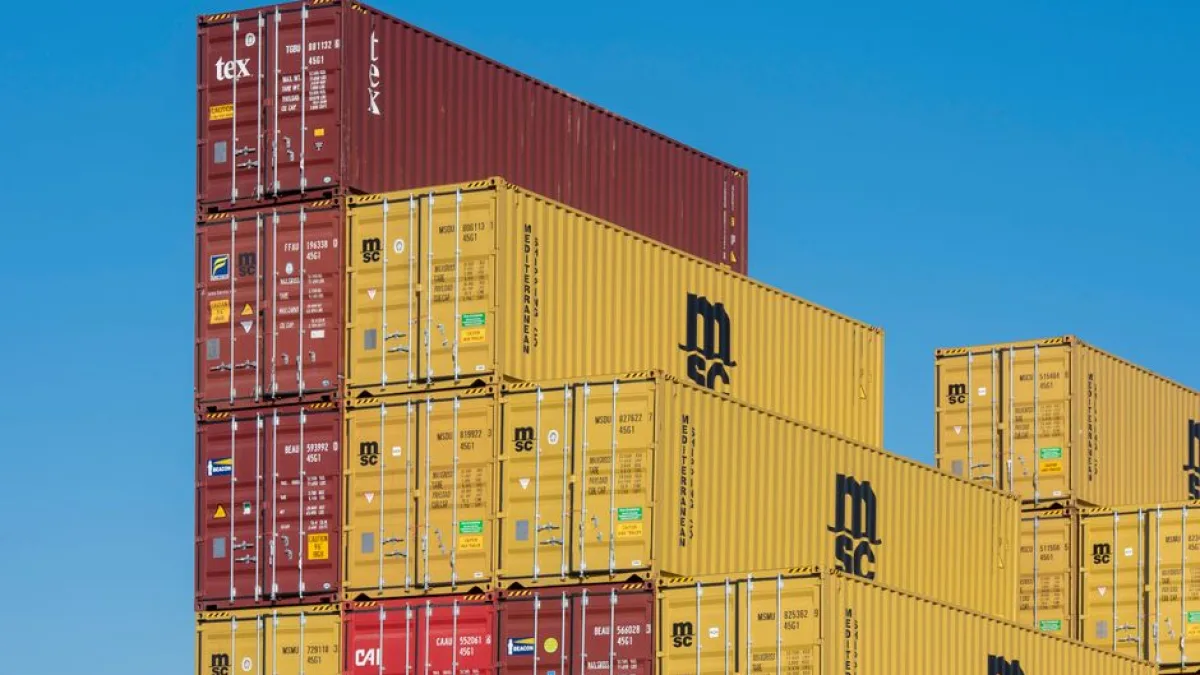
Adopting advanced digital tools is the defining factor for modern freight forwarders aiming to succeed in a competitive global market. By streamlining tracking, documentation, communication, and analytics, you set your agency on a path toward lasting excellence. Implement these best practices today to simplify your operations, increase client satisfaction, and drive meaningful growth. Contact MakeCargo to learn how our software simplifies your logistics.