Mastering Digital Freight Operations for Modern Forwarders
Friday, September 25 2026
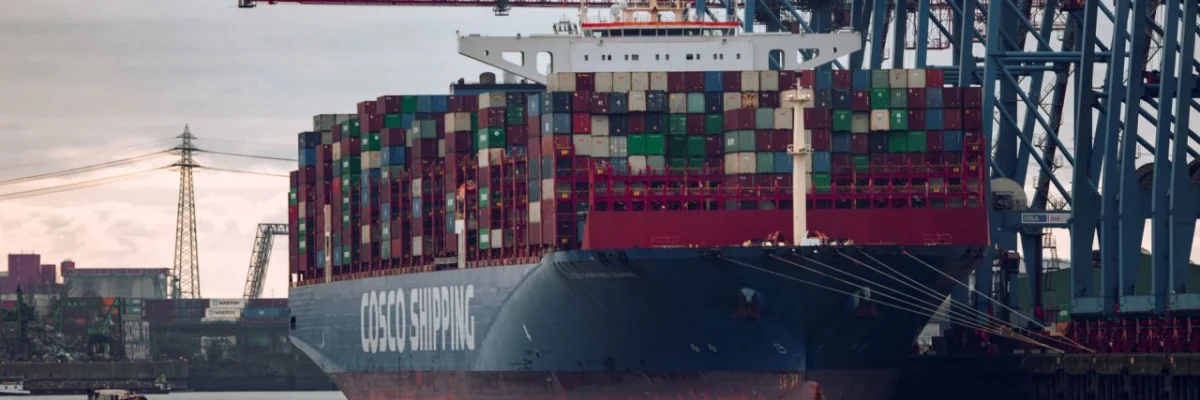
The global logistics landscape is undergoing a massive transformation driven by rapid technological integration and the rising demand for real-time visibility. For freight forwarders, relying on legacy manual processes or fragmented communication tools creates operational bottlenecks that hinder scalability and profitability. Embracing cloud-based solutions is no longer a luxury but a fundamental requirement to remain competitive in a saturated market. By centralizing documentation, automating repetitive workflows, and enhancing client transparency, forwarders can reclaim valuable time to focus on strategic growth. This article explores essential best practices to refine your digital freight operations and elevate your overall service standards today.
Optimizing Shipment Documentation Workflows

Streamlining how your team handles essential shipping paperwork reduces human error and accelerates the clearing process. Digital automation tools allow forwarders to capture data accurately, ensuring that every manifest and bill of lading aligns perfectly with regulatory compliance requirements globally.
- Centralized document management: Store all shipping files in one secure cloud portal to ensure your remote team members can access critical information without wasting time searching through email attachments.
- Automated data entry: Utilize smart extraction software to move information from invoices into your operating system, which minimizes manual typing mistakes and improves overall shipping accuracy for customers.
- Standardized template usage: Implement consistent document templates across all your branches to ensure that every shipment follows uniform procedures, thereby reducing confusion during complex customs clearance phases regularly.
- Cloud based access: Enable your global workforce to retrieve important shipment records instantly from any device, ensuring that operations continue smoothly regardless of where team members are located.
Adopting these digital documentation strategies transforms how your office interacts with sensitive data. By removing the burden of manual input, your staff becomes significantly more efficient while reducing risks of penalties from customs authorities. These improvements directly translate into faster turnaround times for your clients, helping you build a stronger reputation as a reliable and tech-forward partner in the logistics industry.
Leveraging Real-time Cargo Visibility
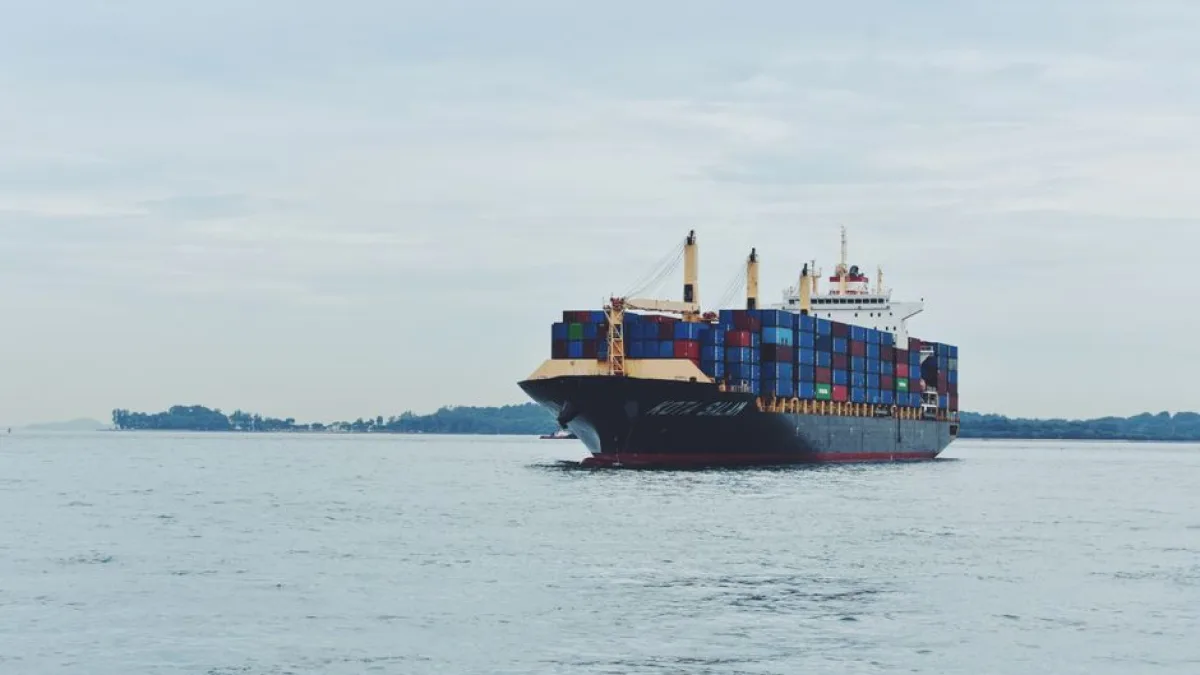
Providing clients with live updates regarding their freight location is a key differentiator in today's market. Integrating automated tracking systems allows you to keep stakeholders informed without the need for constant manual status update emails or phone calls.
- Live tracking integration: Connect your software directly with shipping lines and trucking portals to provide customers with accurate, second-by-second updates on their cargo locations during transit times.
- Proactive delay alerts: Configure automated notification systems that inform your account managers of potential delays before they become critical issues, allowing for faster and more effective problem resolution.
- Transparent client portals: Grant your shippers access to a dedicated dashboard where they can view shipment milestones, status changes, and arrival estimates without contacting your customer support.
- Data driven insights: Utilize historical tracking information to identify recurring bottlenecks in specific transit lanes, allowing you to suggest faster routes to clients for future booking opportunities.
Transparency creates trust between the forwarder and the shipper. When you proactively share precise location details, you reduce the anxiety associated with international trade while significantly lowering the volume of routine status inquiries coming into your inbox. This shifts the focus from reactive firefighting to proactive account management, ultimately improving client retention and establishing your brand as a professional leader within the freight sector.
Enhancing Communication Across Stakeholders

Effective communication is the backbone of successful freight forwarding operations across various global regions. Centralizing your internal and external conversations within a single software environment eliminates the risks of missed messages and information silos that plague traditional logistics firms.
- Unified messaging platforms: Move client communication out of fragmented email threads and into an organized system where all history is searchable, traceable, and available for authorized team members.
- Automated status updates: Use system triggers to send pre-formatted updates to partners and clients, ensuring that all parties receive the correct information at every stage of transit.
- Internal task assignments: Assign specific operational tasks to team members within your digital platform, which prevents important follow-ups from being forgotten during periods of extremely high volume.
- Partner collaboration tools: Invite your agents and carriers to communicate through your platform, creating a seamless flow of data that speeds up the entire international shipping process.
Improving how information travels through your organization reduces costly misunderstandings between your team, agents, and customers. By creating a transparent communication trail, you ensure that every stakeholder is aligned on shipment requirements and expectations. This high level of organization prevents common errors that lead to extra charges, ultimately increasing your bottom line and making your operations much smoother day by day.
Driving Growth Through Scalable Tech

Scaling a freight forwarding business requires a robust technology backbone capable of handling increased volume without compromising service quality. Investing in scalable cloud infrastructure ensures that your operations remain stable even during seasonal peaks or periods of rapid expansion.
- Scalable software architecture: Utilize cloud platforms that allow you to expand your user seats and data storage instantly as your company grows, without needing hardware upgrades.
- System integration capabilities: Ensure your freight platform connects easily with accounting software and customs systems, which creates a unified operational environment that saves significant time and effort.
- Data security protocols: Prioritize platforms that offer enterprise grade security to protect your client data and shipment details from cyber threats, ensuring compliance with international privacy standards.
- Performance analytics dashboards: Monitor your key performance indicators through integrated reports that highlight where your business can improve efficiency, profitability, and customer satisfaction levels for future growth.
The right software investment serves as the foundation for long term success. By selecting a platform that grows alongside your company, you avoid the pain of frequent system migrations later on. Focus on finding a solution that balances user friendly design with powerful automation capabilities, ensuring that your team can scale operations effectively while maintaining the high quality service your clients expect from you.
Conclusion

Modern freight forwarding depends on the smart application of digital tools to improve accuracy and speed. By focusing on document automation, real-time visibility, improved communication, and scalable software solutions, your firm will gain a significant edge over the competition. Start by auditing your current workflows and identifying where automation can provide the most value for your team. Streamline your freight business with MakeCargo today.