Mastering Digital Freight Operations for Modern Forwarding
Tuesday, September 29 2026

In the modern logistics landscape, freight forwarders face increasing pressure to balance rising client expectations with complex operational overheads. Manual processes and siloed data systems often become the primary barriers to scalability, leading to errors and decreased transparency. Adopting cloud-based platforms is no longer a luxury but a strategic necessity for businesses aiming to remain competitive. By integrating smart technology into your daily workflows, you can automate routine tasks, improve communication across global shipping lanes, and provide real-time visibility to your clients. Embracing these digital tools allows your team to focus on high-value decision-making instead of repetitive administrative chores.
Optimizing Shipment Documentation

Electronic documentation serves as the backbone of modern freight forwarding, significantly reducing the risks associated with manual data entry. By digitizing bills of lading and customs forms, teams ensure accuracy while speeding up the essential clearance process across international borders effectively.
- Automated Data Entry: Implement software that automatically pulls data from invoices to minimize typing errors, ensuring that every document is accurate before it enters your primary system for processing.
- Centralized Cloud Storage: Maintain a secure digital library where every stakeholder can access essential documents instantly, eliminating the wasted time spent searching through physical filing cabinets or emails.
- Standardized Validation Checks: Utilize automated validation rules to flag missing information or incorrect codes immediately, preventing costly delays during the customs clearance process for your international cargo shipments.
- Collaborative Workflow Tools: Enable multiple team members to edit and review documents simultaneously within the platform, fostering better internal communication and faster turnaround times for your global clients.
- Secure Cloud Encryption: Protect sensitive client data using industry standard encryption protocols, ensuring that your company maintains high levels of trust and compliance with international data privacy regulations.
Transitioning to a paperless environment requires initial effort but yields significant long-term dividends in operational speed. When documentation flows seamlessly between partners, the risk of bottlenecking at transit points drops dramatically. Investing in these systems creates a robust foundation for growth, allowing your firm to handle higher shipment volumes without a proportional increase in administrative staff or complex operational overheads.
Improving Client Communication

Clear and proactive communication is the hallmark of a high performing freight forwarder. Modern tools allow you to provide instant status updates, keeping your customers informed about their cargo location and potential transit delays through automated email or portal alerts.
- Automated Status Alerts: Set up triggers that send notifications to clients whenever a milestone is achieved, providing them with peace of mind without requiring manual intervention from staff.
- Client Portal Access: Provide your customers with a secure dashboard where they can track shipments independently, reducing the volume of inbound status inquiry calls to your office.
- Real-time Chat Integration: Deploy messaging features that allow clients to discuss specific shipments directly within the cargo tracking interface, keeping all relevant project context in one location.
- Proactive Delay Notifications: Use automated monitoring to identify potential transit issues early, allowing your team to inform clients and offer solutions before the problem becomes a major crisis.
- Customized Reporting Tools: Generate automated performance reports for your clients, demonstrating the value you provide while strengthening the long-term professional relationship through regular and transparent data sharing.
When you prioritize proactive communication, you build lasting loyalty that distinguishes your firm from competitors. Clients value the transparency provided by automated updates, which ultimately reduces stress for both parties during complex transit windows. By leveraging technology to keep stakeholders informed, you transform customer service from a reactive cost center into a powerful strategic asset that drives growth and retention.
Leveraging Real-Time Tracking
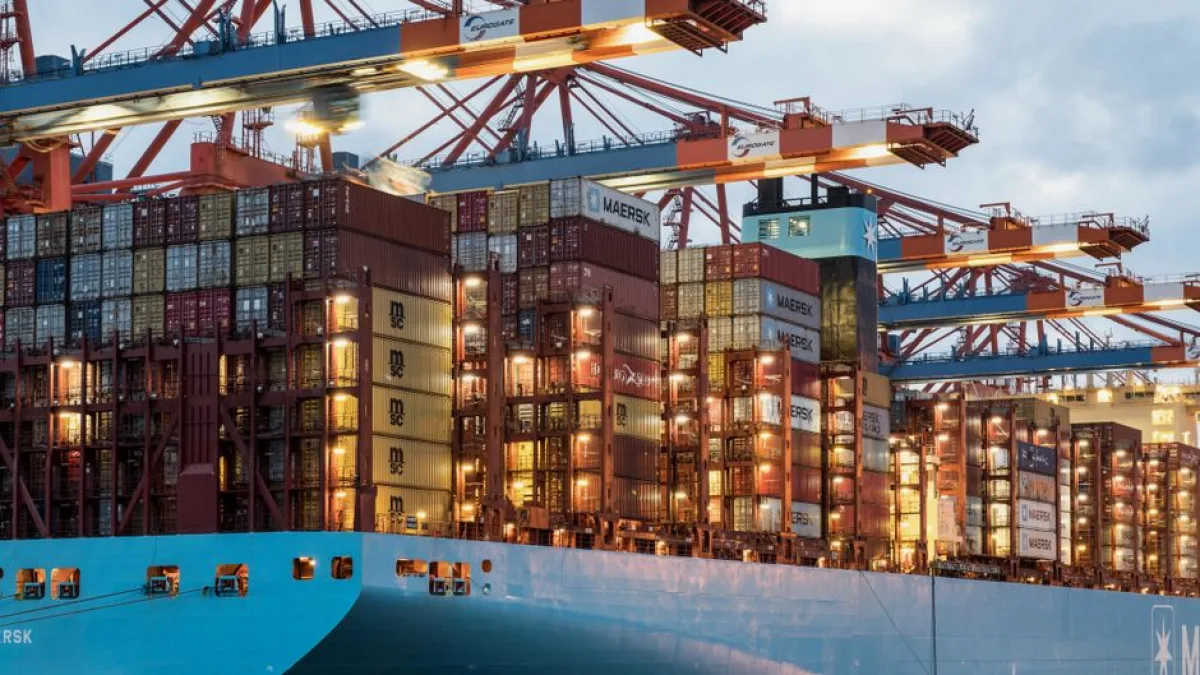
Real-time visibility into your supply chain is essential for managing today's volatile shipping environment. Integrating live tracking data allows you to anticipate disruptions, optimize routing decisions, and provide your clients with the precision they expect from professional logistics service providers.
- Live Vessel Tracking: Connect your platform to AIS data to monitor vessel locations globally, enabling your team to predict arrivals with greater accuracy for planning warehouse labor needs.
- Integrated Milestone Tracking: Map out every stage of the shipment journey within your software, ensuring that your staff knows exactly where cargo is at any given moment.
- Exception Management Alerts: Receive instant notifications when a shipment deviates from its planned schedule, giving you the necessary time to reroute cargo and avoid significant delays.
- Predictive Arrival Analytics: Utilize historical and live data to calculate estimated arrival times with high precision, which helps your clients manage their own inventory levels more effectively.
- External Data Syncing: Integrate your software with carrier systems to pull data directly, ensuring that your tracking dashboard is always refreshed with the latest information available today.
Deploying advanced tracking capabilities offers a significant advantage in an industry where time equals money. By removing the guesswork from global transit, your team can operate with confidence and provide accurate projections to every customer. This level of precision eliminates ambiguity, fosters trust, and establishes your reputation as a reliable partner capable of navigating even the most challenging logistical disruptions with ease.
Streamlining Carrier Coordination

Effective collaboration with international carriers determines the success of your logistics network. Using cloud software to manage these partnerships ensures that rates are competitive, bookings are confirmed quickly, and performance is monitored against your specific service level agreements without manual effort.
- Digital Rate Management: Store all carrier rate cards in a central database, making it easy for your sales team to provide accurate quotes to customers within seconds of inquiry.
- Automated Booking Requests: Send booking instructions directly to carriers through your platform, reducing the need for lengthy email chains and minimizing the risk of miscommunication between parties.
- Carrier Performance Tracking: Maintain a dashboard that logs carrier performance, helping your team make data-driven decisions when selecting the best partners for specific trade lanes or clients.
- Unified Billing Systems: Consolidate carrier invoices within your software to simplify the accounting process, ensuring that costs are allocated accurately and payments are processed on time daily.
- Document Exchange Portals: Share essential shipping documents with your overseas partners through secure links, facilitating faster information flow and smoother transitions between different stages of transit.
Efficient coordination with carriers simplifies the complexity of global logistics and saves your team countless hours of administrative work. By centralizing partner interactions, you minimize errors and speed up the booking and billing cycles. This organized approach keeps your operations lean, professional, and prepared to handle increasing demand while maintaining the high standards of service your customers rightfully demand from you.
Conclusion

Adopting a comprehensive digital strategy is the most effective way for freight forwarders to achieve sustainable success. By automating documentation, enhancing client communication, utilizing real-time data, and streamlining partner coordination, you position your firm to scale efficiently. Start your digital transformation journey today by evaluating your current workflows and identifying one key area where technology can remove friction and boost your team productivity levels.