Mastering Digital Freight Operations for Modern Forwarding
Sunday, October 4 2026
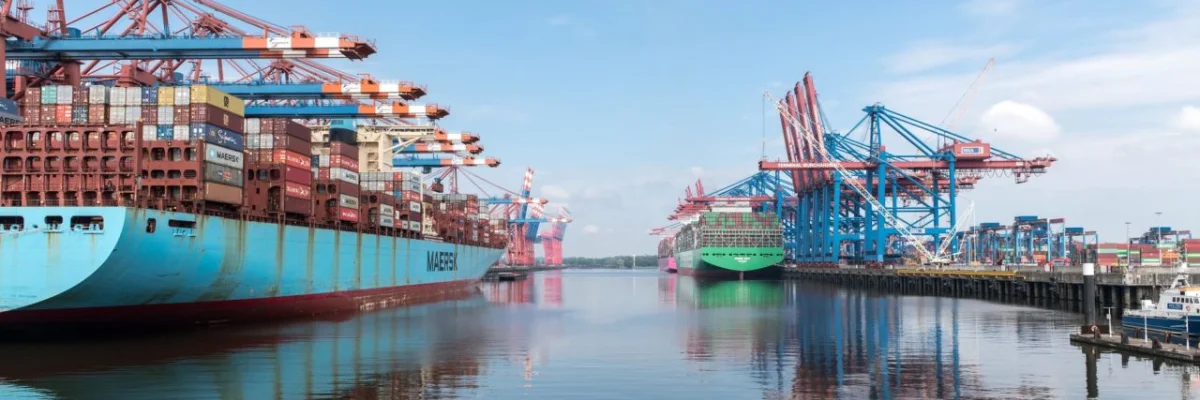
Modern freight forwarding is undergoing a rapid digital transformation as manual processes give way to automated workflows. Global trade demands greater transparency, accuracy, and speed to remain competitive in a volatile market. Forwarders who adopt cloud-based solutions can effectively consolidate data, minimize human error, and enhance client satisfaction across complex supply chains. By leveraging specialized technology, companies shift their focus from reactive problem solving to proactive strategic management. This evolution is no longer an optional luxury but a fundamental necessity for firms aiming to scale their operations and thrive in the ever-evolving landscape of international logistics and transportation management.
Optimizing Shipment Visibility
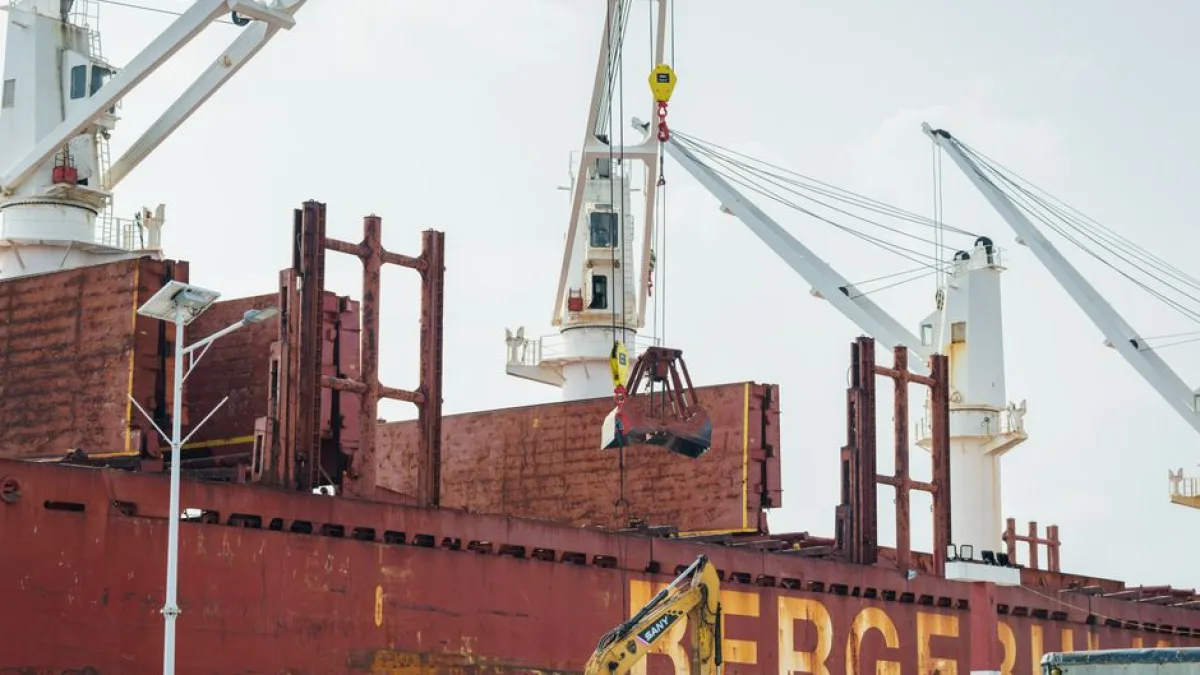
Real-time visibility into shipment movements is the backbone of successful freight forwarding operations. When teams monitor containers across ocean routes, they provide clients with accurate tracking updates, reducing anxiety and phone inquiries while improving overall service quality and trust.
- Automated status updates: Cloud systems trigger instant notifications for milestone changes, ensuring that customers receive timely information without requiring manual intervention from your logistics coordinators or operational staff members.
- Centralized data access: Having a single source of truth allows all team members to view shipment progress simultaneously, preventing communication silos and reducing the risk of costly mismanaged data.
- Predictive delay warnings: Advanced software identifies potential bottlenecks early in the journey, empowering forwarders to suggest alternative routing options before minor port congestions escalate into severe long term supply chain disruptions.
- Interactive client dashboards: Providing customers with secure login access to their own shipment data builds professional credibility and reduces administrative overhead related to manual reporting and daily status requests.
- Integration with carriers: Connecting directly to carrier APIs allows for the seamless flow of booking information and tracking numbers, which saves significant time compared to manual entry methods.
Achieving total visibility transforms your business model from a service provider into a strategic partner for your clients. By eliminating the blind spots common in traditional manual tracking, you ensure that every stakeholder stays informed throughout the shipping lifecycle. This precision minimizes costly delays and demonstrates a commitment to transparency, which is a critical differentiator for forwarders looking to secure long term recurring business contracts.
Streamlining Documentation Workflows

Handling repetitive documentation is often the most labor-intensive part of freight forwarding. Shifting to electronic document management systems reduces paperwork burdens, speeds up processing times, and ensures that critical compliance files remain accessible and organized for audits or inspections.
- Digital document generation: Automatically create bills of lading and commercial invoices using pre-filled template data, which drastically reduces the likelihood of clerical errors found in manual typing processes.
- Cloud based storage: Access all essential shipping documents from any location, facilitating remote work capabilities and ensuring that your team stays productive even when outside the main office.
- Secure document sharing: Encrypted file transfers ensure that sensitive client information remains protected from cybersecurity threats while still being easily accessible to verified partners and international trade authorities.
- Optical character recognition: Utilize advanced scanning tools to extract information from paper invoices or packing lists automatically, converting unstructured files into digital data for your central management platform.
- Automated approval cycles: Configure custom workflows that route documents to the appropriate managers for digital signatures, accelerating the pace at which shipments move through customs clearance processes daily.
Digital documentation workflows turn tedious clerical tasks into high-speed operations. By automating the creation and filing of essential paperwork, your team recovers valuable hours previously lost to administrative drudgery. This efficiency gain allows employees to concentrate on high-value client relationships and complex problem solving. Ultimately, a clean and digitized document environment acts as the foundation for rapid growth and operational scalability in logistics.
Enhancing Communication Efficiency

Effective communication bridges the gap between shippers, carriers, and customs agents. By using unified communication tools integrated directly into your software, you ensure that every message, email, and update is linked to a specific shipment, creating a searchable history of correspondence.
- Centralized conversation logs: Store all communications directly within the shipment record to ensure that any team member can pick up an ongoing issue without asking for constant clarifications.
- Integrated email sync: Automatically capture email threads linked to specific files, which saves staff from manually copying messages into external folders or losing important threads in personal inboxes.
- Internal chat features: Facilitate fast collaboration between departments, such as sales and operations, by using secure messaging channels that allow for instant decision making on urgent cargo matters.
- Automated notification triggers: Set up alerts for specific stakeholders based on shipment events, ensuring that clients and agents are prompted to act only when their input is required.
- Multi-language support options: Utilize software features that translate messages for international partners, reducing confusion and bridging the linguistic divide common in complex, multi-national logistics operations and coordination efforts.
Unified communication platforms act as the nervous system of your freight forwarding firm. They remove the fragmentation caused by disconnected phone calls and scattered emails, ensuring that the right person gets the right information exactly when needed. This synchronization prevents misunderstandings that cause costly delays. When communication is streamlined, the entire operational chain becomes more resilient, agile, and responsive to the unpredictable demands of international shipping.
Scaling Through Smart Automation

Automation is the key to scaling your freight forwarding business without increasing headcounts proportionally. By letting software handle routine scheduling, billing, and accounting tasks, you create a scalable infrastructure that grows alongside your cargo volume while maintaining high levels of operational control.
- Automated invoicing cycles: Generate accurate freight invoices the moment a shipment is marked delivered, which improves your company cash flow and reduces the time spent on collections.
- Dynamic route planning: Use algorithmic tools to calculate the most cost effective shipping routes, allowing your team to offer competitive pricing while maintaining healthy profit margins per shipment.
- Financial report generation: Access real-time profitability analytics that highlight which lanes and services are performing best, enabling you to make data-driven decisions for your overall business strategy.
- Standardized operational templates: Define internal processes through software settings, which ensures that every shipment is handled with consistent quality regardless of which employee is managing the specific account.
- Proactive task reminders: Configure automated alerts for renewals, permit expirations, or recurring shipping deadlines to keep your operations compliant and ahead of potential regulatory or administrative challenges today.
Automation empowers your freight forwarding team to focus on high-impact strategic tasks rather than redundant manual data entry. By embedding intelligence into your daily operations, you establish a consistent standard of excellence that keeps your business competitive. As your shipping volume increases, your software handles the heavy lifting, allowing you to scale efficiently and focus on delivering superior logistics experiences to your clients.
Conclusion
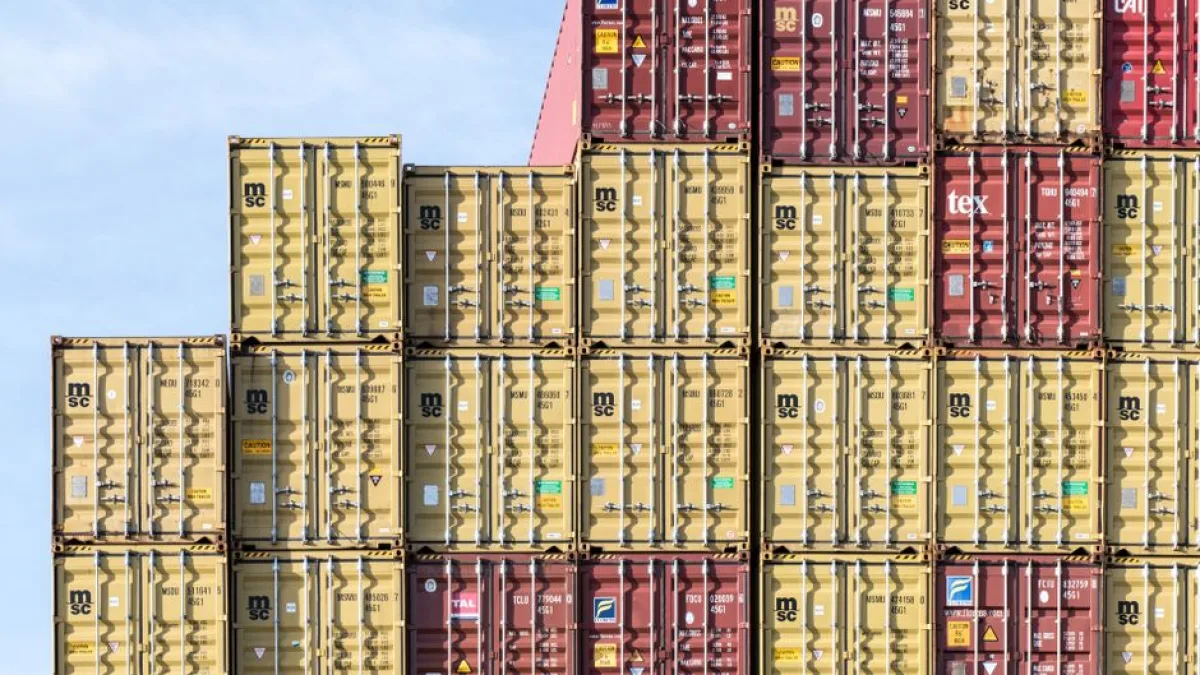
Transforming your freight operations requires a commitment to digital adoption and process refinement. By embracing visibility, documentation automation, streamlined communication, and smart technology, forwarders can significantly enhance their market position. The journey toward a more efficient future starts with implementing the right software tools that align with your operational goals. Start optimizing your workflows today to build a more resilient and profitable logistics enterprise tomorrow.