Mastering Digital Freight Operations for Modern Forwarders
Saturday, October 24 2026
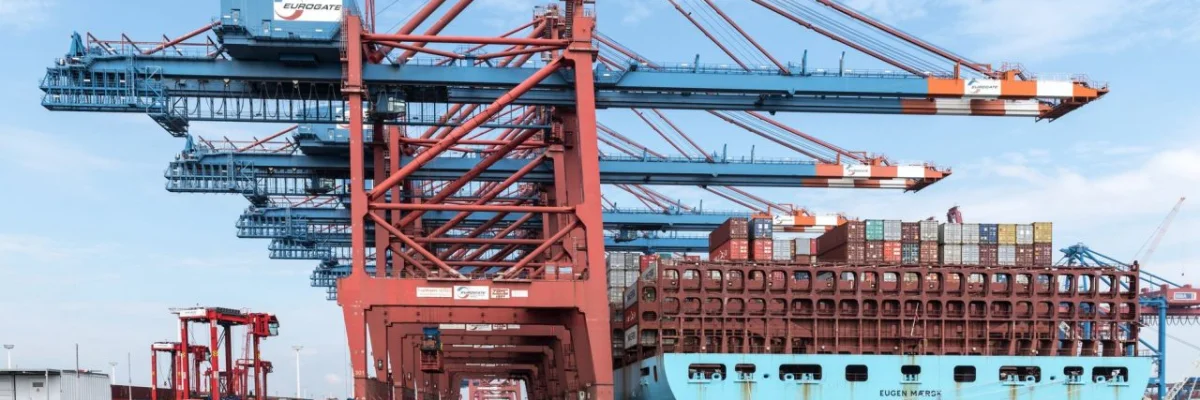
The global logistics landscape is undergoing a massive transformation driven by rapid digitalization and evolving customer demands for transparency. As freight forwarders navigate the complexities of international trade, the ability to manage documentation, track shipments, and communicate effectively with stakeholders becomes the ultimate competitive advantage. Reliance on manual spreadsheets and disconnected legacy systems often leads to operational bottlenecks and costly errors that compromise growth. By embracing cloud-based platforms and real-time data visibility, forwarders can optimize their workflows, enhance service reliability, and build stronger relationships with their partners while scaling operations to meet the requirements of an increasingly connected and fast-paced global economy.
Optimizing Shipment Documentation

Streamlining the documentation process is essential for reducing delays at borders and ensuring compliance throughout the shipping journey. Digital automation allows teams to manage complex paperwork seamlessly, minimizing human error and accelerating the overall transit time for global cargo movements.
- Automated Data Entry: Implement smart systems that extract data from documents automatically, reducing the need for manual typing while significantly decreasing the likelihood of costly data input errors.
- Centralized Document Storage: Maintain a secure cloud environment where every shipping document, invoice, and bill of lading remains accessible to authorized personnel from any global location.
- Compliance Tracking Tools: Utilize integrated software features to monitor regional trade regulations and ensure all documentation meets strict international standards before shipments reach the customs authority.
- Instant Sharing Capabilities: Enable real-time access for clients and carriers by providing secure digital portals, which eliminates the need for endless email threads and slow document transfers.
Adopting these digital practices fundamentally shifts your operations from reactive to proactive, ensuring that your team remains ahead of potential bottlenecks. By focusing on precision and accessibility, you create a more resilient logistics chain that survives even the most volatile market conditions. Your business becomes a reliable partner for customers, ultimately driving higher satisfaction rates and fostering long-term loyalty in a competitive market.
Enhancing Real-time Shipment Tracking
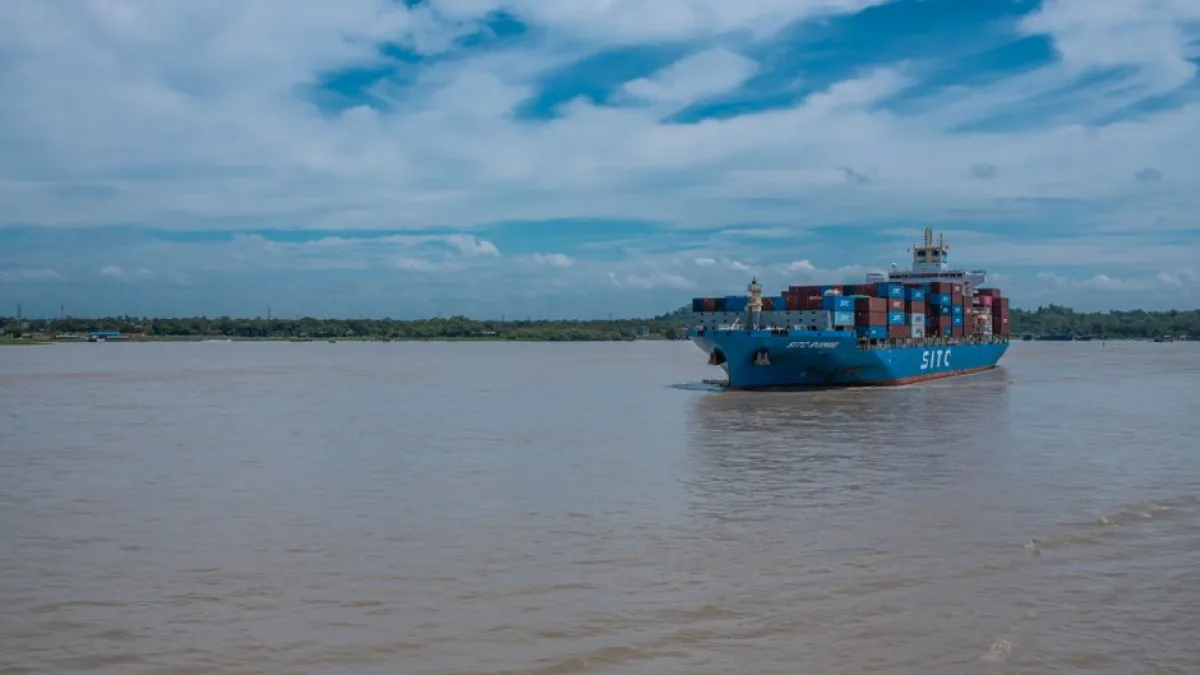
Providing customers with clear visibility into their freight location is no longer a luxury but an industry standard. Leveraging advanced tracking technologies allows forwarders to proactively manage exceptions and keep stakeholders informed about their cargo status during every voyage.
- Live GPS Monitoring: Integrate satellite data into your freight platform to provide stakeholders with accurate, minute-by-minute updates regarding the current status of their transported goods globally.
- Proactive Exception Management: Identify potential delays early by receiving automated alerts, allowing your operations team to implement contingency plans before the customer even notices a minor disruption.
- Client Portal Access: Empower your customers by providing a personalized digital dashboard where they can track their shipments independently, significantly reducing the burden on your customer service.
- Carrier Data Integration: Connect directly with shipping lines and trucking fleets to consolidate fragmented information into a single interface, providing a unified view of complex supply chains.
Visibility serves as the backbone of modern freight forwarding, directly influencing client trust and operational efficiency. By eliminating the guessing game and providing concrete facts, you reduce internal overhead and increase transparency across the supply chain. This commitment to openness ensures that clients feel empowered and informed, which is essential for maintaining a strong and professional reputation in the logistics industry.
Scaling Through Cloud Infrastructure

Cloud-based infrastructure offers the scalability required for freight forwarders to grow their businesses without hardware constraints. Shifting to digital systems enables seamless collaboration across international offices and ensures that critical data remains synchronized throughout the global organization.
- Global Team Collaboration: Enable your staff members across different time zones to work on the same shipments simultaneously, ensuring that progress continues even when offices are closed.
- Cost Effective Scaling: Expand your business operations by adding seats to your software platform instantly rather than investing in expensive physical servers or complex local IT maintenance.
- Enhanced Data Security: Protect sensitive client and shipping information with enterprise-grade encryption protocols and automatic backups, ensuring business continuity during any unforeseen technical hardware failures or attacks.
- Remote Access Capability: Ensure that your entire workforce maintains full connectivity, allowing logistics coordinators to manage complex operations effectively from anywhere in the world during any situation.
Moving your operations to the cloud provides the flexibility necessary for adapting to market shifts and seasonal fluctuations in shipping demand. This technological foundation allows you to focus on strategic growth rather than technical maintenance, effectively positioning your freight forwarding company for success. By leveraging these modern tools, your business remains agile, efficient, and ready to tackle any upcoming logistics challenges effectively.
Driving Efficiency via Automation

Automating repetitive tasks allows logistics professionals to reclaim valuable time, enabling them to focus on high-level decision making and strategic account management. Through intelligent software solutions, forwarders can eliminate manual drudgery and significantly improve their daily throughput and accuracy.
- Intelligent Task Routing: Configure your system to automatically assign shipping tasks to the most qualified team members, ensuring optimal workload distribution and faster response times for all customers.
- Automated Billing Workflows: Speed up the cash cycle by generating accurate invoices automatically upon shipment completion, which prevents billing delays and improves your firm's overall financial health.
- Workflow Alert Systems: Utilize proactive notifications that remind your team of upcoming deadlines or pending actions, ensuring that nothing falls through the cracks in busy shipping seasons.
- System Interconnectivity Tools: Link your freight software directly with accounting and CRM tools to create a cohesive ecosystem, eliminating the need for redundant data entry between systems.
The power of automation lies in its ability to standardize processes and remove inconsistency from your daily operations. When your systems handle the routine work, your team can dedicate their energy to cultivating client relationships and exploring new business opportunities. This evolution in workflow is the key to achieving sustainable growth while maintaining the high quality service that your clients expect from a modern provider.
Conclusion

Implementing these digital strategies ensures that your freight forwarding operations remain competitive and efficient. By focusing on visibility, automation, and scalable cloud solutions, you can overcome industry challenges while delivering exceptional value to your global clients. Embrace these modern technologies today to transform your business processes and secure a stronger, more profitable future within the complex and evolving global logistics landscape.