Mastering Digital Freight Tracking for Operational Excellence
Saturday, October 31 2026
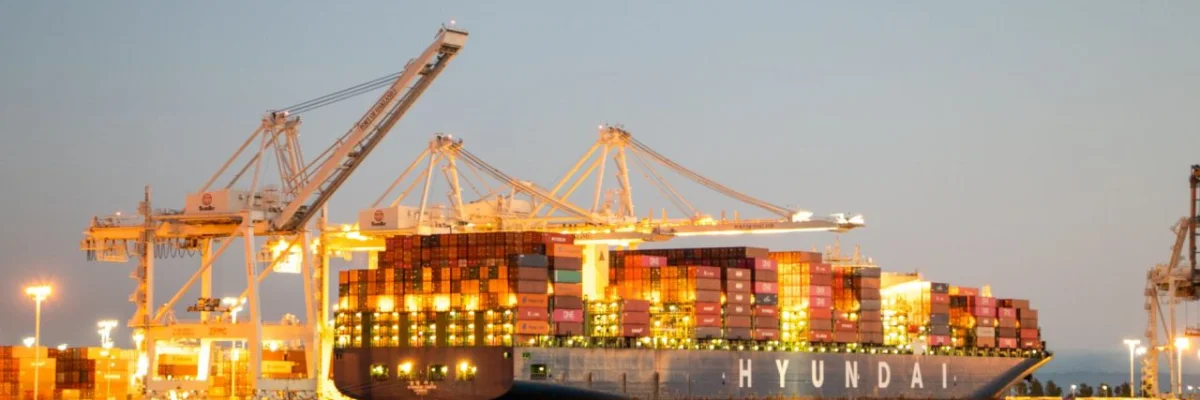
In the fast-paced world of global logistics, freight forwarders face increasing pressure to provide real-time visibility across complex supply chains. Clients no longer accept basic status updates, demanding granular data and proactive notifications throughout the transit lifecycle. Leveraging advanced cloud-based platforms allows forwarders to consolidate disparate data streams into a single source of truth. By prioritizing digital tracking capabilities, professionals can mitigate risks, reduce manual inquiries, and build stronger trust with international shipping partners. Adopting these modern software solutions is no longer a luxury but a fundamental necessity for staying competitive and efficient in the modern freight forwarding industry.
Automated Real Time Visibility
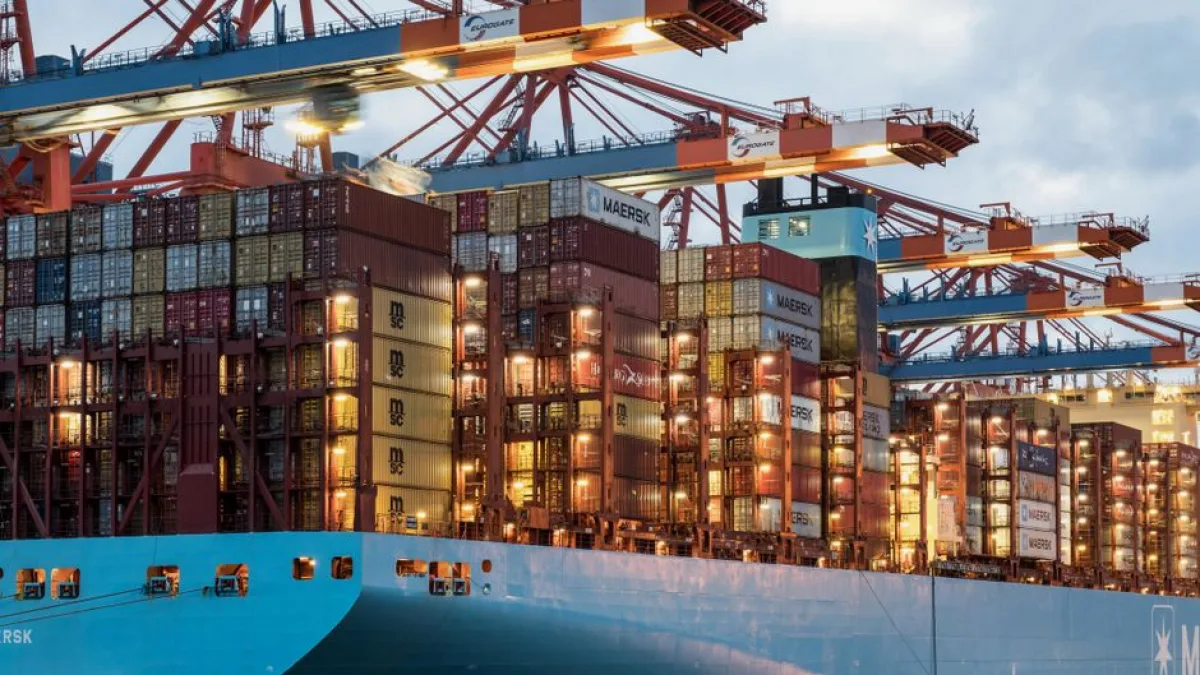
Automated tracking systems eliminate the reliance on manual email updates and phone calls to carriers. By integrating directly with global shipping lines, your platform provides instant updates on vessel locations, arrival times, and potential transit delays, keeping all stakeholders accurately informed throughout.
- Seamless Data Syncing: Our cloud platform automatically pulls manifest data directly from carrier APIs to ensure your dashboard reflects the most current location of every container in transit.
- Proactive Delay Alerts: Receive instant notifications when a shipment falls behind schedule, allowing your team to inform clients and propose alternative routes before issues escalate significantly.
- Standardized Status Reporting: Convert complex carrier codes into clear, uniform status updates that your clients can understand immediately without needing additional clarification or detailed manual follow up.
- Centralized Shipment Dashboards: Access all relevant documentation and location history within a single, unified view, reducing the time spent jumping between multiple carrier portals or tracking websites.
- Enhanced Client Experience: Provide your customers with a branded tracking portal that offers transparency, building loyalty by empowering them with self service access to shipment milestones.
Transitioning to automated systems reduces the operational burden on your logistics coordinators significantly. When your team stops chasing information, they start adding value by focusing on strategic tasks like supply chain optimization and customer relationship management. This shift not only improves internal efficiency but also boosts team morale by removing repetitive, low value data entry work from their daily schedules entirely.
Optimizing Warehouse Inventory Flow

Efficient tracking extends beyond the vessel to the warehouse floor where cargo is sorted. Integrating your tracking software with inventory management tools ensures that freight forwarders maintain perfect oversight of goods as they transition from transit into final storage locations.
- Barcode Scanning Integration: Connect handheld scanners directly to your software to update inventory levels instantly when pallets are moved, received, or prepared for outgoing local distribution.
- Accurate Stock Tracking: Monitor every unit inside your facility with precision to prevent errors, shrinkages, or loss, ensuring that your clients maintain absolute control over their cargo.
- Strategic Space Allocation: Utilize real time data insights to analyze which cargo moves fastest, allowing your warehouse team to optimize floor layout for maximum operational throughput daily.
- Automated Low Stock: Trigger automatic notifications when specific client inventory hits a predefined minimum threshold, helping you maintain stock levels and prevent costly production delays later.
- Unified Reporting Tools: Generate comprehensive analytics reports that highlight throughput efficiency and identify potential bottlenecks within your warehouse operations, supporting better long term business decision making processes.
Proper inventory tracking turns your warehouse into a strategic asset rather than a simple storage cost. By providing clients with granular visibility into their stock levels and movement history, you position your freight forwarding firm as an indispensable logistics partner. This level of transparency fosters long term contracts and allows your business to scale operations confidently while maintaining high accuracy and service levels.
Enhancing Communication with Stakeholders

Communication serves as the backbone of successful freight forwarding operations. When tracking data is shared openly, stakeholders ranging from importers to trucking companies can align their schedules, ensuring that cargo moves seamlessly through every checkpoint without facing unnecessary hold ups or confusion.
- Shareable Tracking Links: Generate secure and branded tracking links for your customers to share with their own internal teams, reducing the volume of direct inquiries sent.
- Automated Milestone Updates: Configure your software to send personalized email or SMS notifications automatically when shipments cross critical borders or arrive at key consolidation centers.
- Internal Team Collaboration: Use integrated messaging features attached directly to specific shipment files to ensure that everyone is aligned on the latest progress and requirements.
- Document Sharing Portals: Attach bills of lading, customs paperwork, and commercial invoices directly to the tracking record to simplify access for relevant authorities or partner vendors.
- Feedback Loop Integration: Collect client feedback directly through the tracking interface, helping your team identify service gaps and continuously improve your logistics operations based on data.
Effective communication strategies prevent common misunderstandings that lead to disputes and delays. By automating the flow of information, you create a transparent environment where everyone knows their roles and current responsibilities. This proactive approach saves hours of administrative labor every week, allowing your staff to focus on solving complex logistical challenges and delivering exceptional results that satisfy your demanding clients.
Leveraging Predictive Analytics Data

Modern tracking platforms offer powerful predictive analytics that help forwarders anticipate future trends. By analyzing historical shipping data and transit times, your team can make informed decisions that optimize routes, manage seasonal capacity fluctuations, and predict potential disruptions before they impact your clients operations.
- Predictive Arrival Estimates: Utilize historical carrier performance data to provide more accurate estimated arrival times that account for common congestion patterns at specific global ports.
- Trend Analysis Reporting: Identify recurring patterns in shipping delays or cost increases to help your clients plan their supply chain strategies more effectively during seasons.
- Performance Benchmark Metrics: Compare the performance of different carriers and routes side by side to ensure you are selecting the most reliable options for clients.
- Capacity Management Tools: Forecast volume spikes based on previous years of data, allowing your firm to secure necessary transport capacity well before the competition does.
- Cost Optimization Insights: Analyze shipping expenses against transit performance to uncover opportunities for reducing freight costs without sacrificing the speed or reliability of your deliveries.
Harnessing data for predictive insights separates industry leaders from average freight forwarders. Instead of simply reacting to events, you can provide proactive recommendations that save your customers time and money. This consultative approach transforms your service from a commodity into a high value partnership. Use these insights to optimize your network, refine your service offerings, and ensure your logistics business remains consistently ahead.
Conclusion

Adopting advanced digital tracking solutions is the most effective way to modernize your freight forwarding operations and improve overall service reliability for clients. By integrating automation, improving warehouse visibility, fostering better communication, and leveraging predictive data, you can build a robust supply chain ecosystem. Embrace these technological advancements today to streamline your workflows, reduce unnecessary overhead costs, and position MakeCargo as your primary logistics partner.