Mastering Digital Logistics: Best Practices for Modern Freight Forwarders
Tuesday, September 1 2026

Modern freight forwarding is undergoing a profound transformation driven by rapid technological adoption and changing client expectations. As global supply chains grow increasingly complex, forwarders must pivot from manual, document-heavy workflows toward automated, cloud-based systems that offer real-time visibility. Embracing digital tools is no longer a luxury but a fundamental necessity for staying competitive in a volatile global market. By integrating sophisticated software platforms, forwarders can minimize human error, reduce overhead costs, and significantly improve delivery speed. This shift allows logistics experts to focus on strategic client relations and complex problem-solving rather than spending countless hours on repetitive data entry tasks.
Optimizing Shipment Tracking Visibility
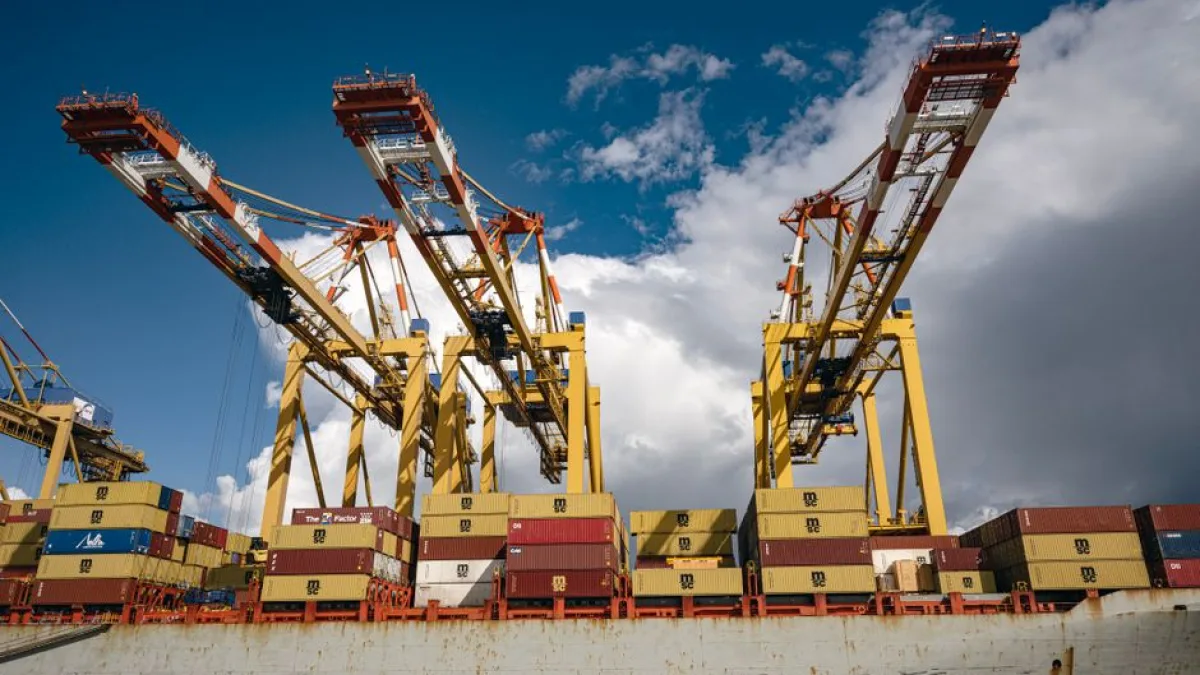
Real-time visibility acts as the backbone of modern logistics operations. By deploying digital tracking tools, forwarders provide customers with granular updates on their cargo status, reducing constant inquiries and building the deep trust required for long-term professional partnerships in this industry.
- Automated Status Updates: Implement systems that automatically push notifications to clients whenever a shipment reaches a milestone, ensuring that stakeholders remain informed without requiring constant manual intervention from staff.
- Centralized Data Dashboards: Utilize unified cloud dashboards to aggregate tracking data from multiple carriers, giving your team a holistic view of all active shipments within a single interface.
- Proactive Exception Management: Configure your software to alert team members the moment a potential delay is detected, allowing for swift adjustments to routes before problems escalate into disruptions.
- Customer Self-Service Portals: Offer clients access to secure portals where they can independently verify tracking details, thereby reducing the volume of incoming status requests and improving operational efficiency.
Achieving total visibility helps your freight forwarding firm differentiate itself in a crowded market. When customers can see exactly where their cargo is located at any moment, the perceived value of your service increases substantially. This transparency eliminates the anxiety associated with international shipping and fosters a collaborative environment where issues are resolved quickly and effectively through shared data insights and proactive communication strategies.
Streamlining Documentation Workflow Processes

Handling complex shipping documentation remains one of the most time-consuming aspects of freight forwarding. Transitioning to paperless digital workflows significantly reduces the risk of administrative bottlenecks, ensuring that essential customs declarations and bills of lading are processed with extreme precision.
- Cloud Document Storage: Store all shipping documentation in a secure cloud repository, ensuring that every team member can access vital files from any location around the world instantly.
- Standardized Template Usage: Create and deploy standard templates for common shipping forms to ensure consistency across your operations and minimize errors during the manual data entry process.
- Automated Form Validation: Use intelligent software features that check for missing information or format errors in documents before submission, which prevents costly delays at customs and transit borders.
- Secure Digital Signatures: Adopt electronic signature technology to expedite the approval cycle for transport documents, removing the need for physical courier services and long waiting periods for signatures.
Streamlining your documentation is critical for maintaining high velocity in global trade. By removing manual hurdles, your staff gains the freedom to concentrate on value-added activities like capacity negotiation and strategic growth initiatives. Digital documentation is not just about speed; it is about building a resilient infrastructure that can handle fluctuating document volumes without crashing under the weight of outdated, traditional paper-based administrative procedures.
Enhancing Vendor and Partner Collaboration

Building strong relationships with carriers and local agents is vital for successful freight forwarding operations. When communication flows seamlessly through integrated digital channels, it becomes much easier to coordinate complex multi-modal movements across international borders while maintaining strict quality control standards.
- Shared Digital Portals: Create collaborative workspaces where your forwarders and carrier partners can exchange information securely, avoiding the fragmentation caused by disorganized email threads and scattered phone calls.
- Integrated Carrier APIs: Leverage API connections to receive instant pricing and schedule updates directly from carrier databases, keeping your internal planning tools accurate and updated at all times.
- Performance Metric Tracking: Monitor the performance of your logistics partners using objective data points, which empowers you to make informed decisions when selecting vendors for future shipments.
- Unified Communication Channels: Standardize how your team communicates with external partners to ensure that instructions remain clear and that all essential details are recorded for future reference purposes.
Collaboration thrives on clarity and consistent access to information. When all parties operate from the same digital source of truth, misunderstandings fade away and efficiency rises significantly. By cultivating these strong digital partnerships, your business becomes a preferred choice for reliable service. This interconnected ecosystem ultimately reduces the overall cost of operations and creates a smoother, more predictable experience for your global logistics clients.
Securing Critical Logistics Data Assets

Data security is a non-negotiable priority for freight forwarders managing sensitive client and cargo information. As the industry becomes more digital, the risk of data breaches increases, making it essential to implement robust security measures to protect your professional reputation and your clients.
- Multi-Factor Authentication: Enforce mandatory multi-factor authentication for all staff members who access your logistics platforms to prevent unauthorized parties from gaining entry to your sensitive business data.
- Encrypted Data Storage: Ensure all information in transit or at rest is fully encrypted, providing a critical layer of protection against potential cyber threats and unauthorized system access.
- Regular System Audits: Conduct frequent security assessments of your digital infrastructure to identify vulnerabilities before they can be exploited by malicious actors or lead to system failures.
- Staff Security Training: Provide regular training sessions for employees regarding the latest phishing tactics and cybersecurity best practices, ensuring your team is the first line of defense.
Prioritizing data security allows your firm to operate with confidence in an increasingly dangerous digital landscape. When your clients know their shipment and trade data remains safe, they are more likely to commit to long-term partnerships. Protecting your digital assets is a strategic investment in the longevity of your business, safeguarding you from the devastating costs of potential data-related compromises today.
Conclusion
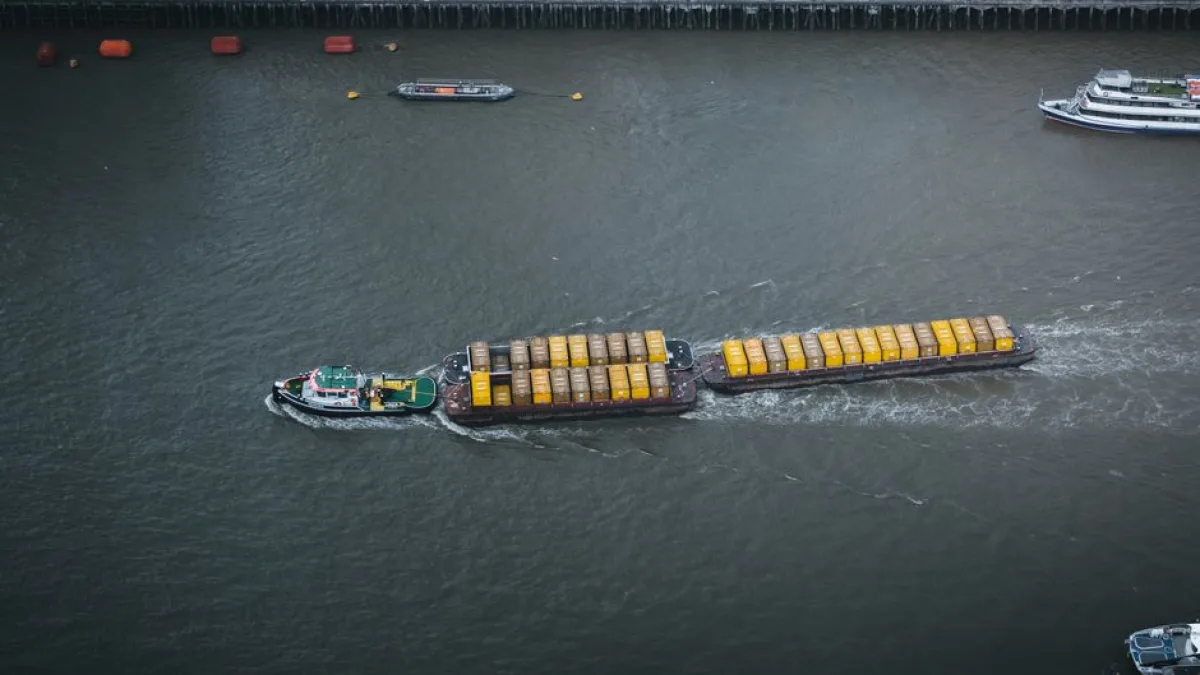
Adopting digital best practices represents a major step forward for any freight forwarding firm looking to scale effectively. By prioritizing visibility, efficient documentation, partner collaboration, and robust security, you create a foundation for lasting success. Use these strategies to transform your operations and lead the industry into a more efficient future. Start optimizing your digital logistics infrastructure with MakeCargo and drive your growth today.