Mastering Digital Logistics: Best Practices for Modern Freight Forwarders
Sunday, September 27 2026
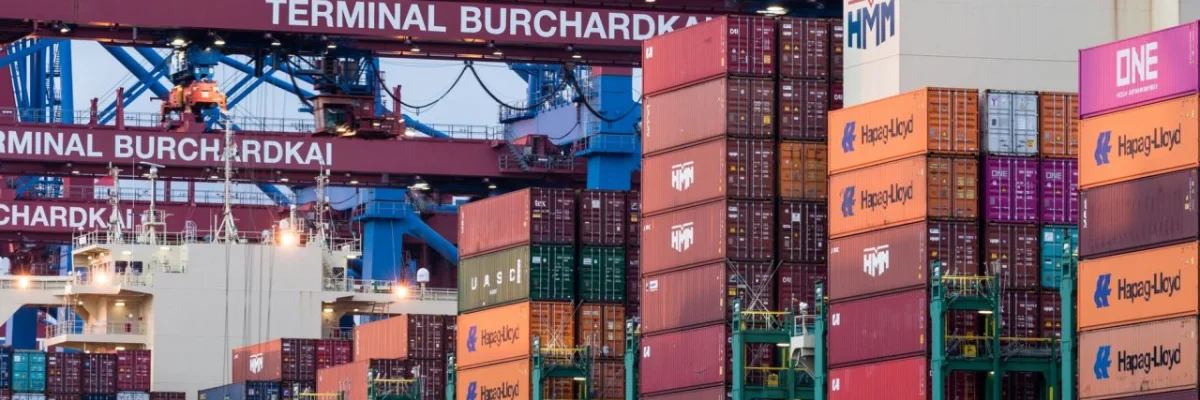
The global shipping landscape is changing at a rapid pace, demanding that freight forwarders move away from legacy systems to survive. As market volatility increases and customer expectations for real-time visibility rise, manual processes simply cannot keep up with the demands of modern commerce. By integrating cloud-based platforms and centralizing shipment data, forwarders can unlock significant efficiency gains and reduce costly human errors. This evolution is not merely about staying competitive; it is about building a resilient foundation that allows your logistics operations to scale effectively while providing the transparent, high-quality service that your global clients now consistently demand.
Streamlining Workflow Automation

Automating repetitive tasks allows your team to focus on high-value strategy rather than data entry. By digitizing documents and automating status updates, you eliminate bottlenecks and ensure that information flows seamlessly across all internal departments and your external shipping partners.
- Eliminate manual entry: Reduce human error by automating the intake of booking information and shipping documents, which prevents costly mistakes that often arise during traditional manual data processing workflows.
- Centralized document management: Store all shipping records in a single cloud repository to ensure that your staff has instant access to the latest files from any global location.
- Automated status alerts: Configure your platform to send real-time notifications to stakeholders, keeping clients informed automatically without requiring your team to manually check shipment milestones throughout the day.
- Integrated communication channels: Keep all correspondence within the shipment file to avoid losing critical notes or instructions in fragmented email chains, ensuring complete transparency for your entire team.
Adopting automation transforms your daily operations from reactive fire-fighting into proactive shipment management. When your staff spends less time chasing spreadsheets and more time managing client relationships, overall productivity naturally increases. This strategic shift in focus allows your forwarder to handle higher shipment volumes without needing a proportional increase in personnel costs, effectively boosting your bottom line while improving service reliability and consistency.
Enhancing Real-time Shipment Visibility

True visibility is the core expectation of modern logistics clients who need to know where their cargo is at any moment. Providing this level of transparency is no longer a luxury feature but a standard requirement for maintaining long-term partnerships.
- Live tracking integration: Connect your software directly with carrier APIs to provide clients with accurate, real-time updates regarding vessel positions and potential delays throughout the entire transit period.
- Interactive client portals: Offer a user-friendly digital interface where your customers can log in to check shipment status, download invoices, and view documents at their own convenience.
- Proactive delay management: Detect potential disruptions early through monitoring tools so you can notify your clients immediately and offer alternative routing options before problems escalate into major crises.
- Customized reporting dashboards: Provide your management team with visual analytics that highlight current performance trends and identify areas where operational efficiency could be improved for better results.
Visibility serves as the primary bridge between you and your customers, fostering deep trust in your brand. By giving clients the tools they need to track cargo independently, you reduce the volume of inbound status inquiries. This creates a more professional engagement model where your team provides value through problem-solving rather than serving as basic information conduits for daily freight movements.
Optimizing Financial Operations

Efficient accounting is vital for maintaining healthy cash flow in the freight forwarding industry. Managing invoices, carrier payments, and currency fluctuations requires a robust digital system that minimizes delays and ensures that your margins remain protected during transit.
- Automated invoice matching: Use smart software to reconcile carrier invoices against original bookings automatically, preventing overpayment and ensuring that all charges align with the agreed contract rates.
- Simplified billing cycles: Accelerate your revenue collection by generating and sending professional invoices immediately upon shipment completion, which reduces the time spent waiting for client payments.
- Currency management tools: Track various global currencies within your platform to manage exchange rate risks effectively, ensuring that your profit margins are protected against unexpected financial market volatility.
- Financial reporting insights: Generate detailed reports on profit and loss per shipment to identify which routes or services are generating the most value for your logistics business.
Optimizing your finances creates a stable foundation for growth and investment in new technologies. When your back-office processes are as efficient as your logistics coordination, you avoid the common trap of operational growth outpacing financial control. Maintaining clear oversight of your cash flow allows for better strategic decision-making and ensures that your company remains profitable even during periods of slow market activity.
Scaling Through Digital Integration

Scaling a freight forwarding business requires connectivity across the entire supply chain ecosystem. By integrating your platform with customs systems, warehouses, and carriers, you remove silos and create a unified network that supports rapid expansion and consistent service quality.
- Seamless carrier connectivity: Build direct digital connections with your preferred carriers to ensure that rates, bookings, and tracking data are synchronized perfectly across all your business systems.
- Customs compliance integration: Connect your operational platform with local customs authorities to facilitate faster filing processes and ensure that your documentation meets all required regulatory standards globally.
- Scalable cloud infrastructure: Utilize cloud-based systems that grow alongside your business, allowing you to add new branches, partners, or employees without the need for complex, expensive hardware upgrades.
- API-driven partner network: Collaborate with third-party logistics providers and vendors through secure APIs, creating a flexible supply chain that adapts quickly to changing client demands and market conditions.
Scalability is the key to remaining relevant as the logistics market continues to consolidate and evolve. By leveraging integrated technology, you prepare your firm to handle sudden surges in volume without compromising the speed or accuracy of your operations. This agility defines the leaders in the logistics sector, ensuring your company remains a preferred partner for global shippers seeking reliable, forward-thinking freight solutions.
Conclusion
Successfully managing freight requires the right combination of expertise and modern software tools. By focusing on automation, visibility, financial control, and integration, you position your firm to thrive in a competitive marketplace. Start optimizing your digital workflows today to improve efficiency and client satisfaction across every shipment. Consistent progress in these areas will ensure your company remains a leader in the global logistics industry.