Mastering Digital Logistics: Best Practices for Modern Freight Forwarders
Sunday, October 25 2026

Modern freight forwarding requires more than just traditional industry knowledge to thrive in an increasingly volatile global market. As supply chains grow more complex, professionals must leverage advanced digital tools to maintain transparency and efficiency across their operations. Transitioning from manual, error-prone spreadsheets to centralized cloud-based platforms is no longer a luxury but a fundamental necessity for survival. By adopting these strategic best practices, freight forwarders can reduce administrative overhead, minimize costly delays, and deliver superior service to clients. This guide explores essential techniques to streamline your logistical processes and elevate your brokerage firm above the competition.
Optimizing Shipment Tracking Protocols
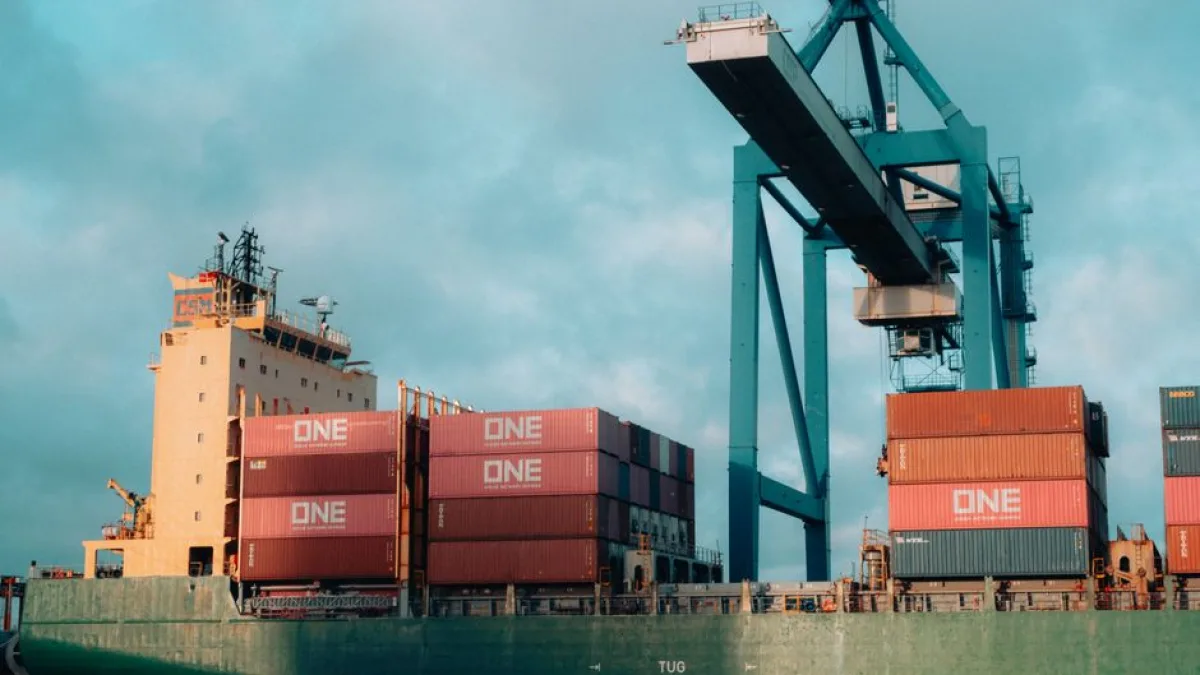
Real-time visibility serves as the backbone of successful logistics operations, allowing teams to anticipate disruptions before they escalate. By implementing automated tracking solutions, forwarders can provide stakeholders with precise updates, fostering deeper trust and operational transparency during each transit phase.
- Implement Automated Notifications: Configure your software to send instant updates to clients whenever shipment statuses change, reducing the need for manual check-ins and repetitive status inquiry emails throughout the day.
- Centralize Tracking Data: Consolidate all tracking numbers and carrier portals into a single dashboard to ensure that your team spends less time searching for information and more time analyzing.
- Proactive Exception Management: Utilize digital alerts to identify potential bottlenecks or delays early, enabling your team to take immediate corrective action before a problem impacts the final delivery.
- Client Portal Access: Provide your customers with direct access to a secure online portal where they can view shipment progress, reducing administrative burden and improving total customer satisfaction.
By shifting focus toward automated tracking systems, firms can effectively transform their reactive workflows into proactive management strategies. This transition not only empowers staff members to focus on high-value tasks but also reduces the likelihood of human error during manual data entry. Ultimately, building a robust digital feedback loop ensures that every stakeholder remains informed, which significantly enhances the reliability of your logistics network.
Enhancing Carrier Relationship Management

Maintaining strong partnerships with reliable carriers is essential for securing favorable rates and priority space during peak shipping seasons. Effective communication and performance monitoring help build long-term loyalty, ensuring that your firm remains a top priority when global capacity tightens significantly.
- Standardize Performance Metrics: Create a scorecard for your carrier partners to evaluate their reliability and service levels, which helps in making data-driven decisions during future contract negotiations and renewals.
- Automate Rate Requests: Use digital platforms to streamline the process of requesting quotes from multiple carriers simultaneously, saving hours of manual labor and ensuring competitive pricing for customers.
- Clear Communication Channels: Establish unified protocols for discussing load details and documentation to prevent misunderstandings that can lead to costly delays or missed pickups at busy warehouses.
- Feedback Integration Loops: Regularly share operational feedback with your carriers to identify areas for improvement and reward high-performing partners who consistently deliver results above the industry standard average.
Strong carrier relationships are built upon consistent performance and clear communication protocols that transcend simple transactional exchanges. When forwarders invest time in managing these partnerships digitally, they gain a competitive edge through improved service reliability and pricing stability. Developing these professional connections ensures that your firm can navigate market fluctuations with confidence while maintaining the high service levels your clients expect.
Streamlining Documentation and Compliance

International trade depends heavily on precise documentation to avoid customs penalties and major port delays. Automating the creation and storage of shipping documents ensures that all paperwork adheres to regulatory requirements while drastically reducing the time spent on repetitive manual clerical tasks.
- Utilize Cloud Storage: Keep all essential shipping documents in a secure, centralized cloud environment that allows team members to access vital files from any location worldwide instantly.
- Standardize Document Templates: Create uniform templates for bills of lading and commercial invoices to ensure consistency across all shipments while minimizing common mistakes during the data entry process.
- Implement Digital Signatures: Adopt electronic signature tools to expedite the approval process for important shipping documents, allowing partners to sign off on paperwork without needing physical mail.
- Automate Compliance Checks: Integrate software tools that automatically scan your shipping documentation against international trade regulations to flag potential issues before shipments reach the busy customs office.
Efficient documentation management is the silent driver behind successful cross-border trade operations. By digitizing your filing systems and leveraging automation, you significantly reduce the risk of compliance errors that frequently lead to expensive fines or long cargo holds. Investing in these digital processes allows your team to maintain focus on complex logistical challenges while ensuring that every shipment remains fully compliant.
Leveraging Data for Strategic Growth
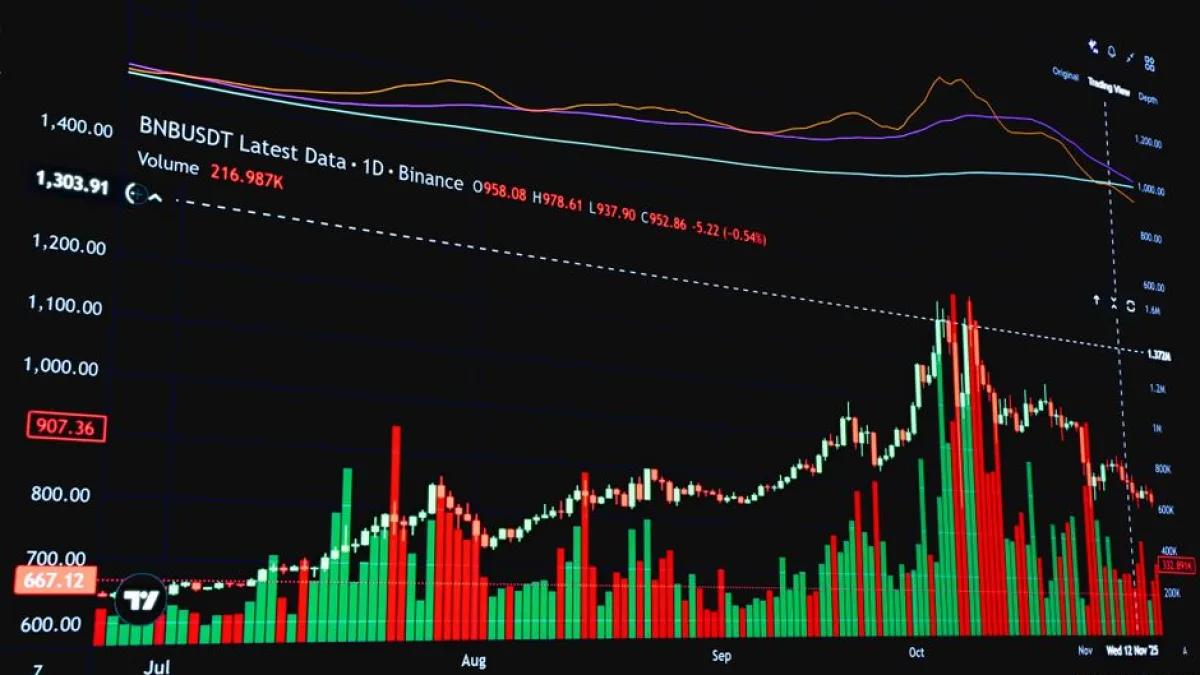
Informed decision-making is rooted in the ability to analyze historical shipping data to predict future market trends. By utilizing sophisticated analytics tools, forwarders can identify profitable routes, evaluate margins per shipment, and pinpoint opportunities for expansion within their current market sector effectively.
- Track Profitability Margins: Analyze the costs associated with every shipment to determine which lanes and carrier partners generate the highest return on investment for your logistics firm.
- Monitor Seasonal Trends: Use historical data to prepare for peak seasons by identifying previous volume surges, which allows you to secure necessary capacity ahead of your competitors.
- Identify Operational Bottlenecks: Review performance reports to find recurring issues in your workflow that may be slowing down your team and preventing maximum operational efficiency each day.
- Forecast Future Demands: Leverage predictive modeling features within your software to anticipate client needs and adjust your resource allocation accordingly for sustained growth and better overall results.
Data serves as the ultimate compass for navigating the complex and ever-changing global shipping landscape. By consistently reviewing performance metrics, forwarders gain the clarity required to make bold, informed business decisions that drive long-term profitability. Transitioning toward a data-driven culture ensures your firm is ready to adapt to new market demands while maintaining a clear view of your operational trajectory.
Conclusion
Modernizing your freight forwarding operations is essential to remain competitive in today's digital economy. By focusing on automated tracking, strong carrier relationships, compliant documentation, and data analysis, you position your firm for sustainable growth. Start integrating these best practices into your daily workflow today to streamline your logistics, reduce costly errors, and provide the exceptional, transparent service that your global clients truly deserve.