Mastering Digital Logistics: Best Practices for Freight Forwarders
Saturday, October 10 2026

The global logistics landscape is undergoing a massive transformation driven by rapid technological advancements and shifting market expectations. As freight forwarders manage increasingly complex supply chains, the ability to maintain operational agility becomes a primary competitive advantage. Adopting cloud-based platforms is no longer a luxury but a necessity for firms aiming to scale efficiently while reducing manual overhead. By focusing on data-driven decision-making and seamless partner integration, forwarders can mitigate risks associated with human error and communication silos. This article outlines essential strategies for professionals looking to optimize their workflow and deliver exceptional service quality in a fast-paced environment.
Leveraging Real-Time Data Visibility
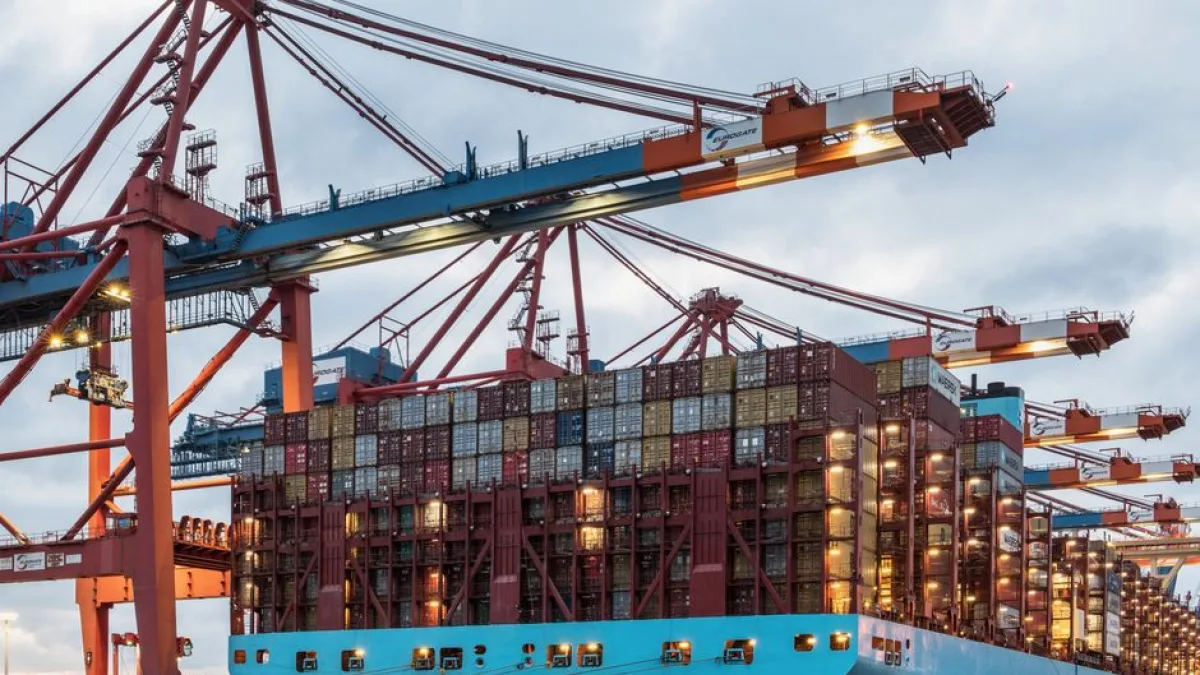
Digital visibility transforms how forwarders monitor shipments, offering a clear window into every stage of the transit process. By accessing live tracking updates and status alerts, logistics teams can proactively address potential delays and maintain full transparency with their clients.
- Centralized data access: Unified dashboards provide instant visibility into shipment statuses across multiple modes of transport, allowing your team to identify bottlenecks before they impact your delivery timelines or costs.
- Automated status updates: Real-time notification systems keep your customers informed without requiring manual intervention, significantly reducing the volume of inbound status inquiries and freeing your staff for value-added tasks.
- Enhanced carrier connectivity: Integrating directly with carrier APIs ensures that you receive accurate, up-to-the-minute data, effectively eliminating the common discrepancies often found in outdated manual email or spreadsheet-based tracking methods.
- Proactive disruption management: Predictive analytics tools alert you to potential weather or labor delays, enabling your team to reroute cargo and protect client supply chains from unexpected, costly logistics interruptions.
Prioritizing data accuracy creates a foundation of trust between forwarders and their global network of customers. When you provide reliable information throughout the shipping journey, you reduce client anxiety and demonstrate professional competency. Implementing a cloud-based platform ensures this data remains accessible to all stakeholders regardless of their physical location, ultimately fostering stronger, long-term business relationships and higher retention rates for your firm.
Automating Essential Administrative Tasks

Administrative automation is the engine that drives efficiency, removing repetitive burdens from your logistics coordinators. By automating routine documentation such as commercial invoices and bills of lading, you can shift the focus toward complex problem-solving and high-level strategic planning activities.
- Seamless document generation: Automatically populate complex shipping documents using existing database information, which prevents data entry errors and slashes the time spent on manual form creation for every single shipment.
- Integrated billing cycles: Automating your invoice processing ensures that payments are triggered accurately, improving cash flow management and minimizing the administrative delays often associated with traditional, paper-based accounting practices.
- Smart compliance verification: Automated regulatory checks review your paperwork against international standards to ensure that all shipments meet legal requirements, thereby avoiding heavy customs fines and avoidable cargo holds.
- Digital signature integration: Utilize secure digital signature tools to expedite the approval process for essential shipping contracts, reducing turnaround times from several days to mere minutes for your clients.
Streamlining internal operations allows your team to handle higher volumes without the need for additional headcount. By removing the friction associated with manual paperwork, your employees become more motivated and focused on client success. A digital-first approach to administration ensures that your workflows remain scalable as your business grows, providing a stable platform for future innovation and sustainable expansion in international logistics.
Cultivating Strong Carrier Partnerships

The strength of your forwarding business relies heavily on the quality of your relationships with carriers and local agents. Maintaining clear communication channels and fair payment practices ensures that your cargo remains a top priority even during periods of heavy market congestion.
- Transparent communication channels: Establish clear protocols for messaging with carriers to ensure that your specific handling requirements are understood, preventing common misunderstandings that could lead to damaged goods or delivery delays.
- Standardized performance metrics: Track and analyze carrier performance data to identify reliable partners, allowing you to negotiate better rates while ensuring consistent service delivery for your most important global shipping accounts.
- Collaborative problem solving: Develop a culture of partnership where you work together with carriers to solve logistical hurdles, turning potential conflicts into opportunities for strengthening your professional collaborative network over time.
- Digital document sharing: Utilize a shared cloud portal to exchange documents with carriers, ensuring that all parties operate from the same information and reducing the likelihood of critical shipping documentation errors.
Building resilient partnerships requires effort, but it pays dividends when market conditions tighten. A forwarder with a reputation for professional integrity and timely communication will always find space for their cargo, even in limited capacity environments. By viewing carriers as partners rather than commodities, you secure your supply chain and create a unique service experience that sets your agency apart from your competition.
Prioritizing Cybersecurity in Logistics

Security is a paramount concern in the digital age, as supply chain networks become targets for sophisticated cyber threats. Protecting sensitive client information and shipment data is a core responsibility that builds institutional credibility and demonstrates your commitment to safe, professional shipping operations.
- Regular software updates: Consistently updating your cloud-based freight software ensures that you benefit from the latest security patches, which are critical for protecting your database from evolving digital threats or exploits.
- Encrypted data transmission: Employ advanced encryption standards for all communication with clients and partners to keep sensitive cargo details and financial data safe from unauthorized access by malicious third-party actors.
- Access control policies: Implement strict user permissions to ensure that only authorized personnel have access to sensitive client files, effectively reducing the risk of internal data leaks or accidental system changes.
- Employee security training: Conduct frequent workshops to educate your staff on identifying phishing attempts, which remain one of the most common methods for attackers to gain access to corporate systems.
Security is not just an IT concern but a strategic business requirement that protects your reputation. Investing in robust security protocols provides your clients with the confidence that their data and cargo are in safe hands. By adopting a proactive security posture, you reduce the risk of downtime or data loss, ensuring your operations remain stable and reliable throughout the entire fiscal year.
Conclusion

Mastering digital logistics requires a commitment to continuous improvement and technological integration. By focusing on data visibility, administrative automation, partner collaboration, and cybersecurity, you position your forwarding agency for long-term success. Evaluate your current systems today to identify where you can replace manual processes with smart tools. These small, strategic changes will compound over time, helping you deliver superior value and scale effortlessly.