Mastering Digital Logistics: Best Practices for Freight Forwarders
Sunday, October 18 2026
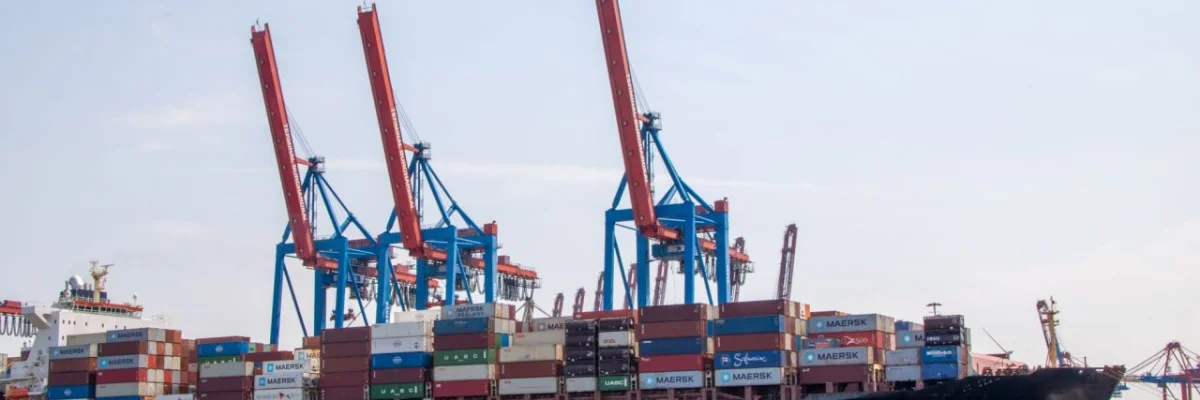
Modern freight forwarding is no longer defined by stacks of paperwork and manual tracking methods. As global supply chains grow increasingly volatile, professional forwarders must leverage cloud-based technology to maintain a competitive advantage and ensure operational transparency. Efficiency in this digital landscape requires a shift toward automation, data integration, and proactive customer communication. By adopting standardized workflows and investing in robust logistics platforms, firms can reduce costly errors while improving overall service levels. This article explores essential strategies designed to help your team navigate today's complex logistics environment while focusing on scalability, accuracy, and lasting client loyalty through smart digital transformation.
Automating Your Documentation Process

Manual data entry remains a primary bottleneck for logistics teams, often leading to avoidable human errors and shipment delays. Automating document management systems allows forwarders to process bills of lading, commercial invoices, and customs declarations with unprecedented speed and precision.
- Eliminate manual entry: Use automated capture tools to extract data directly from documents, which minimizes typing mistakes and saves your team hours of repetitive work every single week.
- Centralized storage solutions: Keep all shipping documents in a secure, cloud-based repository that allows authorized staff to access critical information from any location at any given time.
- Real time validation: Implement automated validation checks to ensure that mandatory fields are completed accurately before a document is ever sent to customs or carrier partners.
- Reduce processing time: Streamline the entire lifecycle of shipping documentation by utilizing smart templates that pre-populate recurring information based on historical data saved in your platform.
By shifting away from legacy paper processes, your team gains the ability to focus on high-value logistics tasks rather than routine administrative chores. Automated workflows reduce the overhead costs associated with document handling and help maintain compliance with international shipping standards. Investing in these digital tools ensures that your forwarder business remains agile, accurate, and ready to scale alongside your growing client demands.
Optimizing Real Time Shipment Visibility

Clients today expect instant updates on the location and status of their cargo throughout the entire transit journey. Providing reliable visibility is the best way to build trust and differentiate your forwarding services in an increasingly crowded global marketplace.
- Integrate carrier data: Connect your management system directly to carrier APIs to receive automatic status updates that appear instantly within your customer facing tracking portals.
- Proactive anomaly alerts: Set up automated notification triggers that inform your team immediately when a shipment delay occurs, allowing for faster intervention and better problem resolution.
- Branded customer portals: Offer clients a dedicated dashboard where they can track their own freight without needing to contact your staff for manual status checks.
- Historical data tracking: Store and analyze historical shipping data to identify recurring bottlenecks and help clients optimize their future supply chain routes for better reliability.
Visibility is the backbone of exceptional client service in the logistics industry today. When customers have access to live data, they feel empowered and informed, which significantly reduces the volume of status inquiry calls your team receives. Leveraging technology to provide transparency not only improves client satisfaction ratings but also creates a more efficient communication loop that saves significant time for everyone involved.
Enhancing Communication with Digital Platforms

Clear communication between forwarders, carriers, and shippers is essential for preventing misunderstandings during the transit process. Cloud platforms offer a unified environment where all project stakeholders can share updates, ask questions, and resolve issues without constant email chains.
- Unified message logs: Keep all shipment related correspondence tied to a specific file within your platform, ensuring that every team member has context for every conversation.
- Collaborative task management: Assign specific milestones to team members within the software to ensure that no critical step in the logistics process is ever overlooked.
- Instant notification triggers: Configure your system to send automated alerts to relevant parties whenever a document is uploaded or a major shipping milestone is reached.
- Secure document sharing: Replace insecure email attachments with a protected document portal that keeps sensitive shipping information safe from potential cyber threats or data leaks.
Streamlined communication is the secret to reducing stress for both your team and your clients. By moving away from fragmented email threads, you create a professional record of all interactions that improves accountability and speeds up problem solving. Consistent communication channels help prevent expensive mistakes, ensuring that every project is managed efficiently while maintaining a positive relationship with all your essential logistics partners.
Ensuring Financial Accuracy and Compliance

Financial management in freight forwarding involves complex billing cycles, currency fluctuations, and varying regional tax laws. Digitizing your accounting process is vital for maintaining healthy margins and ensuring that your firm remains fully compliant with international trade regulations throughout the year.
- Automated billing cycles: Generate accurate invoices instantly based on completed shipping milestones, ensuring that your company gets paid faster and maintains a healthy cash flow.
- Integrated currency management: Automatically calculate charges across different currencies using live exchange rates to minimize errors during international invoicing processes for your diverse client base.
- Compliance tracking tools: Utilize software features that automatically flag shipments requiring specific regulatory documentation, helping you avoid costly fines and unexpected border delays for cargo.
- Auditable financial trails: Maintain a complete, searchable history of all financial transactions related to every shipment for simple reporting and quick tax preparation season work.
Accurate billing practices directly influence your company's profitability and reputation within the logistics industry. By automating your financial workflows, you eliminate the risk of invoicing errors and provide your clients with transparent, clear breakdowns of all logistics charges. Staying compliant through technology gives your business a firm foundation, allowing you to focus on growth while knowing that your financial operations are secure.
Conclusion

Adopting these best practices within your freight forwarding business is essential for achieving long term growth and operational success. By prioritizing automation, visibility, clear communication, and financial accuracy, you position your firm as a modern leader in the logistics sector. Start integrating these strategies with your cloud platform today to experience improved efficiency and higher client retention rates for your professional business.