Mastering Digital Logistics: Best Practices for Freight Forwarders
Wednesday, October 21 2026

Modern freight forwarding is no longer defined by stacks of paperwork and endless phone calls. As global supply chains grow increasingly complex, professionals must adopt advanced strategies to maintain a competitive edge. Relying on manual processes often leads to costly errors and delayed shipments, damaging client trust. By integrating cloud-based platforms and embracing automated workflows, forwarders can reclaim their time and focus on strategic growth. This guide outlines essential best practices to help you optimize operations, enhance communication with stakeholders, and scale your business effectively in a fast-paced market where speed and reliability are the ultimate currencies for success.
Optimizing Shipment Visibility

Visibility is the backbone of trust in the logistics industry today. Clients expect real-time updates regarding the status of their cargo as it moves through various transit points. By providing transparent data, you minimize anxiety and strengthen long-term business partnerships.
- Real-time tracking integration: Connect your software with carrier APIs to provide automated updates for every shipment phase, ensuring clients receive instant notifications without your team manually checking status pages.
- Centralized documentation hub: Store all bills of lading, customs forms, and commercial invoices in a secure cloud repository where authorized parties can access files anytime from any location.
- Automated status alerts: Configure your platform to trigger email or SMS notifications for major milestone events, effectively reducing the volume of inbound status inquiries from impatient customers.
- Dynamic dashboard views: Utilize visual analytics tools to monitor active shipments at a glance, allowing your staff to identify potential delays and address them before they escalate further.
- Custom client portals: Provide a dedicated login area where shippers can review their shipment history, download reports, and interact with support teams directly through an intuitive interface.
Achieving total shipment visibility transforms the customer experience by turning uncertainty into actionable intelligence. When clients have direct access to accurate data, the need for back-and-forth communication drops significantly. This efficiency allows your team to focus on resolving complex issues rather than repeating basic information. Investing in transparent tracking tools is a foundational move toward becoming a truly modern and customer-focused freight forwarder.
Automating Financial Workflows

Managing invoices and payments is often the most time-consuming aspect of logistics operations. Automation allows you to streamline these financial tasks, reducing human error and improving cash flow. When financial processes are digitized, you gain better control over your company margins.
- Automated invoice generation: Trigger professional invoices automatically once a shipment reaches its delivery milestone, ensuring that your billing cycle remains perfectly synced with the actual operational progress of cargo.
- Streamlined payment processing: Integrate secure payment gateways directly into your client portal to allow for faster transaction settlements and reduced manual reconciliation time for your accounting department.
- Digital audit trails: Maintain a rigorous record of every financial change or edit within your system to ensure full compliance during tax audits and corporate financial reporting.
- Real-time expense monitoring: Track variable costs like port fees or detention charges against original quotes to quickly identify any discrepancies that might impact your final profit margin.
- Currency management tools: Use automated exchange rate updates to calculate costs accurately across international borders, protecting your business from the volatility of fluctuating global currency market trends.
Efficient financial management is the key to maintaining a healthy bottom line in a competitive market. By automating routine billing tasks, you eliminate the delays associated with manual processing and ensure that your revenue flows steadily. This financial clarity empowers leadership teams to make data-driven decisions that foster growth. Adopting these automated best practices will turn your back-office operations into a significant strategic advantage.
Enhancing Team Collaboration

Freight forwarding requires seamless coordination between sales, operations, and customs brokerage teams. When departments operate in silos, information is lost and mistakes occur. Unified cloud platforms act as a single source of truth that keeps everyone aligned on goals.
- Internal chat features: Facilitate rapid communication between team members within the context of a specific shipment to prevent important information from being trapped in private email chains.
- Role-based access control: Assign specific permissions to employees based on their daily responsibilities, which maintains security while ensuring that everyone has the right tools to perform tasks.
- Task assignment tracking: Use digital checklists to delegate responsibilities for pending shipments, ensuring that no document deadline or client follow-up call is ever missed by your staff.
- Shared project calendars: Visualize upcoming peak seasons and vessel schedules across the entire organization so that resources can be allocated effectively during periods of high shipping demand.
- Unified knowledge base: Maintain an internal digital library of standard operating procedures, customs requirements, and shipping regulations to ensure all team members follow consistent company protocols.
Effective collaboration is what separates top-tier forwarders from the rest of the industry. By breaking down communication barriers, you ensure that everyone is working toward the same objective with accurate information at their fingertips. This cohesive environment reduces friction and fosters a culture of accountability. When your team collaborates effectively, the resulting consistency in service quality becomes a powerful tool for customer retention.
Leveraging Data Analytics
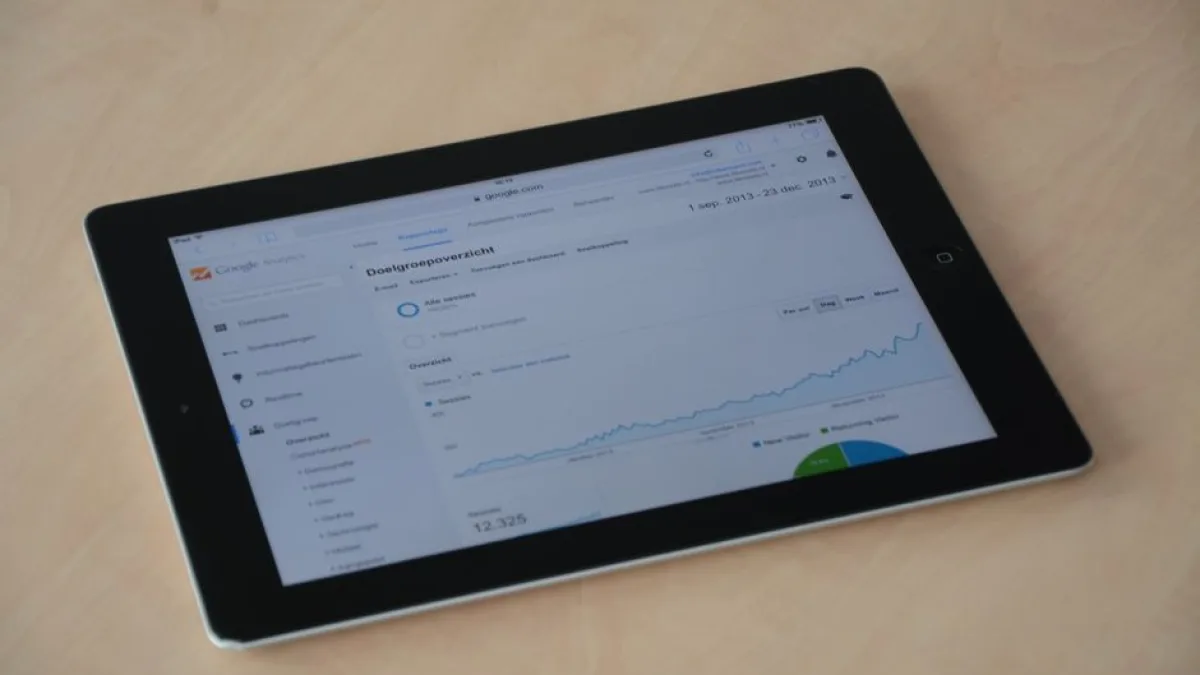
Data is the most valuable asset in modern logistics, yet many firms fail to utilize the information they collect. Analyzing your operational performance reveals hidden patterns and opportunities for improvement. Transforming raw data into actionable reports allows you to optimize your service offerings.
- Carrier performance metrics: Analyze historical data to evaluate which shipping lines offer the most reliable transit times, helping you make informed decisions when selecting partners for clients.
- Customer profitability analysis: Review your top clients based on revenue and resource investment to identify which partnerships provide the highest value to your company over time.
- Route efficiency reports: Identify common bottlenecks in specific transit lanes and adjust your routing strategies to improve delivery speed and reduce overall operational costs for shippers.
- Volume forecasting models: Project future shipping volumes based on previous yearly data to negotiate better rates with carriers and ensure sufficient capacity during the busy peak season.
- Trend identification tools: Monitor changes in market demand or shipping costs to adjust your pricing strategies proactively, ensuring you remain competitive while maximizing your overall company profits.
Harnessing the power of analytics gives you a clear view of your business health. You can move beyond reactive problem solving and start planning for long-term growth with confidence. By reviewing performance metrics regularly, you identify exactly where to invest your resources for the best return. Integrating data-driven insights into your daily strategy ensures you stay ahead of market trends and competitors.
Conclusion

Implementing these best practices will elevate your freight forwarding business to new levels of efficiency and reliability. By focusing on visibility, automation, collaboration, and data, you build a foundation that can scale alongside your growing client base. Start your transformation today by adopting modern software solutions. These changes will ultimately save your team time, reduce costly mistakes, and provide superior service to shippers.