Mastering Digital Logistics: Best Practices for Modern Freight Forwarders
Wednesday, July 29 2026
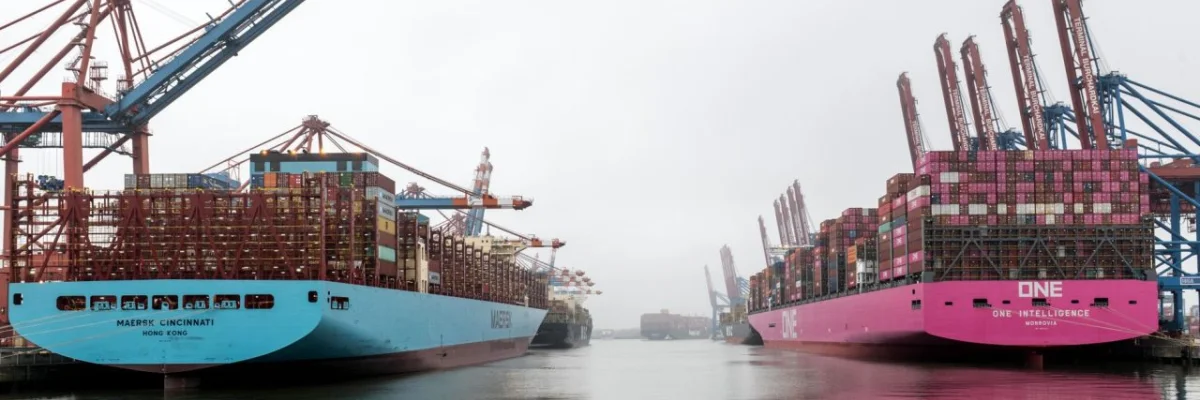
The global shipping landscape is changing at a rapid pace, demanding that freight forwarding professionals move away from outdated manual processes. Modern logistics requires a delicate balance of speed, accuracy, and clear communication to meet client expectations in an increasingly competitive market. By embracing digital transformation and refining your internal operational workflows, you can reduce administrative bottlenecks, minimize human error, and position your company for long-term scalability. This article explores essential strategies designed to help you streamline your freight management, leverage technology effectively, and provide exceptional value to your shipping partners while maintaining high operational standards throughout every single shipment phase.
Optimizing Shipment Visibility
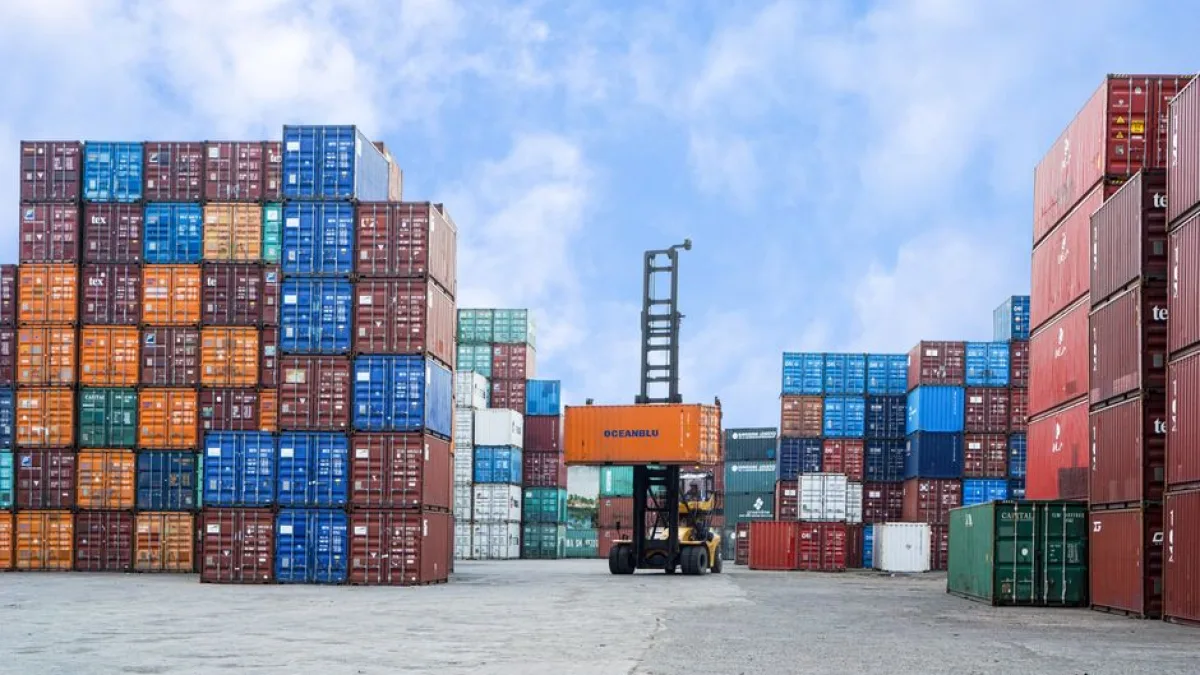
Real-time visibility is the cornerstone of modern logistics, allowing forwarders to proactively address delays before they impact your clients. By utilizing cloud-based tracking systems, you can ensure that every stakeholder remains informed throughout the entire transit process without manual updates.
- Automated Tracking Systems: Integrate your software with carrier portals to receive real-time updates on vessel positions. This approach eliminates the need for manual status checks and reduces your daily email volume.
- Client Portal Access: Provide your customers with a secure login to view their own shipment milestones. Transparency builds trust and significantly lowers the time your staff spends answering routine inquiries.
- Exception Management Alerts: Configure your platform to trigger automatic notifications for any unexpected transit delays. Early warnings empower your team to propose alternative routing solutions before problems become costly disruptions.
- Data Integration Standards: Maintain standardized digital document formats to ensure seamless communication between your partners. Consistent data entry practices prevent discrepancies that often lead to customs clearance delays or billing errors.
- Proactive Communication Strategy: Establish a protocol for notifying clients of potential issues immediately upon detection. Honest communication creates a professional reputation that encourages repeat business and fosters long-term client loyalty today.
Adopting a robust digital visibility strategy transforms how you manage customer expectations and internal workflows. By removing the guesswork from global shipping, you free up your team to focus on strategic growth rather than manual tracking tasks. Your commitment to transparency not only improves service quality but also distinguishes your freight forwarding business from competitors who rely on traditional, inefficient communication methods.
Streamlining Documentation Workflows

Documentation is frequently the biggest bottleneck in freight forwarding, but digitizing these essential tasks can save hours of manual data entry. Shifting to electronic systems minimizes paperwork errors and accelerates the movement of goods across complex international borders.
- Centralized Document Storage: Utilize a single cloud repository for all shipping documents to ensure instant access. This prevents staff from wasting valuable time searching for misplaced files or emails.
- OCR Automation Tools: Implement Optical Character Recognition to extract text from invoices and bills of lading. This technology reduces human data entry errors and speeds up the billing process significantly.
- Digital Approval Workflows: Design digital sign-off procedures to expedite the verification of commercial invoices and packing lists. Approval cycles drop from days to minutes with integrated electronic signature platforms.
- Standardized Template Creation: Develop reusable document templates that auto-fill data directly from your shipment records. Consistent templates minimize formatting inconsistencies and ensure all documentation meets strict international regulatory compliance requirements daily.
- Security and Compliance: Use encrypted cloud storage to protect sensitive client data and financial records. Maintaining high security standards keeps your operations compliant with global data protection and privacy regulations.
Efficient documentation management is the engine of a productive freight forwarding company. By eliminating repetitive manual entry and adopting smart automation tools, you dramatically improve the accuracy and speed of your back-office operations. Investing in a digital-first approach to paperwork not only protects your margins by reducing costly mistakes but also ensures that your team remains focused on high-level logistics tasks.
Effective Partner Collaboration

Building strong relationships with carriers, truckers, and overseas agents is essential for managing complex supply chains. Effective collaboration relies on shared information and a mutual commitment to standardizing the way partners exchange data and critical shipping instructions globally.
- Shared Digital Spaces: Use collaborative platforms where agents and carriers can update information in real time. Shared access eliminates the version control issues that occur with heavy email attachments.
- Performance KPI Monitoring: Establish clear metrics for your partners to ensure they meet your service level agreements. Regularly reviewing performance data helps you identify reliable partners for critical shipments.
- Automated Messaging Protocols: Use standardized messaging formats to send booking requests and instructions to carriers. This uniformity reduces misunderstandings and ensures that all parties follow the same operational procedures consistently.
- Partner Feedback Loops: Conduct periodic reviews with your top logistics partners to discuss improvement areas. Open dialogue strengthens professional bonds and helps resolve recurring issues before they impact end clients.
- Integrated Scheduling Tools: Sync your pickup and delivery schedules with your local transport partners through integrated APIs. Synchronized systems reduce empty miles and help optimize the entire land-based leg of shipping.
Success in freight forwarding is rarely an individual achievement; it is the result of strong, well-coordinated partnerships. By fostering a digital ecosystem where partners can collaborate seamlessly, you eliminate the communication gaps that often lead to logistical failures. Prioritizing collaborative technology ensures that every link in your supply chain is aligned, resulting in smoother transitions and more reliable services for your customers.
Scaling Through Software Automation

Automation is no longer a luxury but a requirement for forwarders aiming to scale their operations effectively. As your volume grows, software platforms provide the infrastructure needed to handle increased demand without needing to hire additional administrative staff for repetitive tasks.
- Automated Billing Cycles: Set up your system to generate and send invoices immediately upon proof of delivery. Faster billing cycles improve your cash flow and reduce the time spent chasing late payments.
- Custom Report Generation: Automate the delivery of performance reports to your leadership team on a weekly basis. Data-driven insights allow you to make better business decisions and adjust strategies quickly.
- Workflow Task Scheduling: Assign specific milestones to automated tasks that remind team members of upcoming deadlines. Proactive reminders ensure that no shipment or documentation requirement ever slips through the cracks.
- Dynamic Pricing Engines: Use software to calculate quotes instantly based on updated carrier tariffs and fuel surcharges. Rapid quoting capability helps you capture more leads and improve your closing ratios.
- API Integration Power: Connect your logistics software with accounting and CRM platforms for total business synchronization. Integrated systems eliminate the need for manual data reconciliation between your different business departments.
Scaling your freight forwarding business requires a solid foundation of automated processes that can adapt to changing market conditions. By leveraging technology to handle the heavy lifting of administrative work, your team is empowered to provide a more personalized service. This shift from manual task management to intelligent automation is the key to maintaining profitability while expanding your client base effectively.
Conclusion

Transforming your freight forwarding operations requires a strategic focus on visibility, documentation, collaboration, and automation. By modernizing your approach and utilizing dedicated logistics software like MakeCargo, you can overcome common industry challenges with ease. Start implementing these best practices today to refine your workflows, improve your service delivery, and maintain a competitive edge in the fast-paced, ever-evolving world of global freight transportation.