Mastering Digital Logistics: Best Practices for Modern Freight Forwarders
Tuesday, August 4 2026
The global shipping landscape is changing rapidly as digital transformation becomes a requirement rather than a luxury for competitive freight forwarders. Companies must move away from manual spreadsheets and siloed legacy systems to stay relevant in a volatile market. By leveraging cloud-based platforms like MakeCargo, logistics providers can automate complex workflows and enhance transparency across their supply chains. This shift not only improves operational efficiency but also builds stronger trust with clients who demand real-time status updates and accurate documentation. Embracing these advanced technological standards is the most effective way to scale your logistics business while reducing overall overhead costs.
Streamline Your Documentation Processes

Managing customs clearance and bills of lading manually often leads to human errors and costly shipping delays. Automating these documents ensures that every piece of paperwork remains organized and accessible within your central digital dashboard throughout the entire transit process.
- Digitize Customs Compliance: Implement automated validation tools to ensure that all declarations meet international standards before submission to avoid potential fines or regulatory penalties during critical cross-border operations.
- Centralized Document Storage: Maintain a single source of truth by hosting every shipping document in the cloud to prevent version control issues and enable team-wide access from anywhere.
- Standardized Digital Templates: Utilize pre-configured document templates to accelerate administrative throughput and reduce the time spent on repetitive tasks that do not add value to your core operations.
- Automated Workflow Triggers: Set up smart notifications that automatically alert the correct stakeholder whenever a document is signed or uploaded to keep the freight movement process consistently moving forward.
Optimizing how your team handles paperwork reduces the administrative burden on your staff. By removing manual data entry from daily routines, you allow your employees to focus on high-value client communication and strategic problem solving. Investing in these digital tools creates a foundation for consistent growth and improved accuracy, ultimately leading to a more reliable service experience for your diverse global client base.
Enhance Real-Time Shipment Tracking
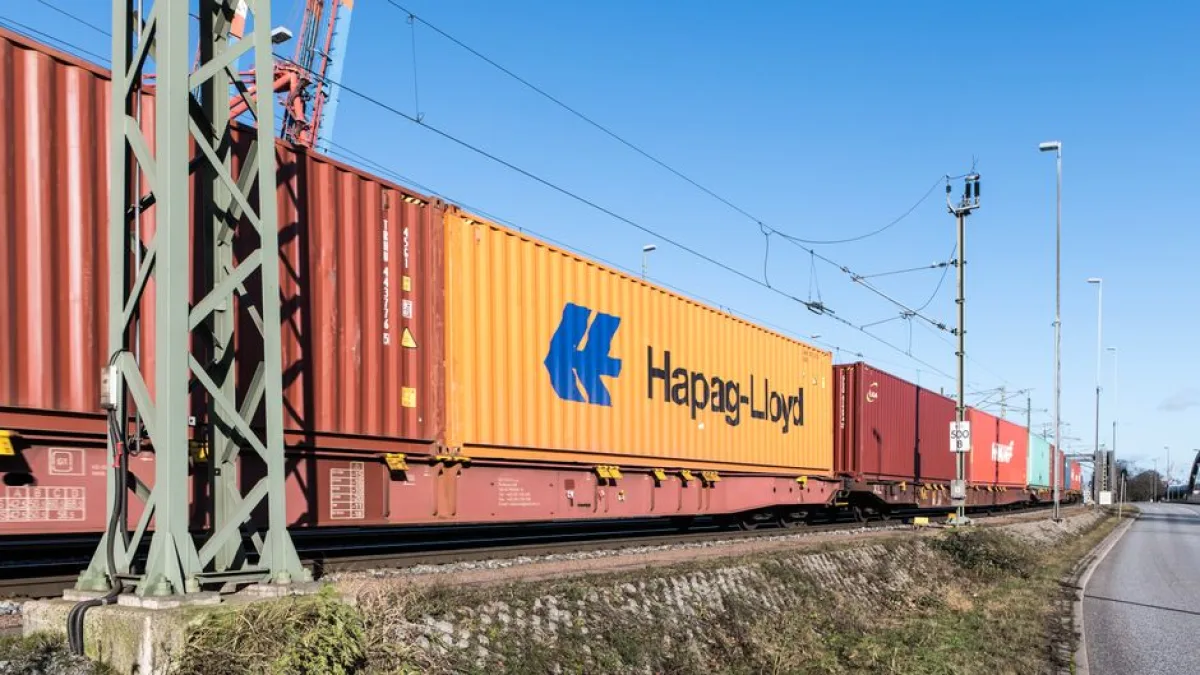
Customers expect complete transparency regarding their cargo locations. Providing real-time updates through a client portal builds immense trust and eliminates the constant stream of status inquiry emails that currently clutter your team's support inbox every single day.
- Live Cargo Monitoring: Integrate GPS and IoT tracking data directly into your dashboard to provide clients with precise, live updates on their freight status during international transit.
- Automated Status Alerts: Configure proactive notification systems that automatically inform clients whenever a shipment reaches a specific milestone or faces an unexpected delay during its global journey.
- Interactive Client Portals: Offer a user friendly gateway where partners can view their shipment history, tracking logs, and relevant invoices without needing to contact your support staff directly.
- Unified Tracking Data: Aggregate information from various carriers and regional partners into a single view to provide a holistic picture of complex supply chain movements for customers.
Transparency is the defining characteristic of a modern freight forwarding partnership. When you provide your clients with self-service access to live data, you demonstrate professionalism and technical maturity. This level of visibility fosters long-term relationships while simultaneously freeing your operations team to manage more complex logistics tasks rather than simply answering simple status update inquiries throughout their busy work day.
Optimize Your Carrier Management

Maintaining strong relationships with a diverse network of carriers is vital for logistics resilience. Effective carrier management involves tracking performance metrics and ensuring that your vendor selection process remains data-driven to provide the best routes for your clients.
- Performance Evaluation Metrics: Track carrier punctuality and service quality using automated reports to identify top performers and address recurring issues that might affect your own service reputation.
- Dynamic Route Planning: Utilize software tools that compare carrier rates and transit times in real time to ensure you select the most efficient path for every shipment.
- Integrated Vendor Communication: Centralize all communications with your transport partners within your logistics platform to keep important discussions connected to specific shipments for better audit trails and transparency.
- Centralized Rate Management: Maintain an up to date database of carrier pricing models to ensure that every quote provided to your clients is accurate and highly competitive.
Success in logistics relies heavily on the quality of your partnerships with various transport providers. By monitoring carrier performance closely, you can identify hidden inefficiencies that threaten your profit margins. A strategic approach to managing these vendors ensures that you always provide high-quality routing solutions while keeping your overheads controlled, allowing for better pricing and more sustainable growth within the competitive logistics market.
Prioritize Data Security and Compliance

As logistics data becomes increasingly digital, protecting sensitive client information and shipment details is critical. Robust cybersecurity measures prevent data breaches and demonstrate to your partners that you are a serious, professional player in the global trade industry today.
- Cloud Access Controls: Implement strict user permissions to ensure that only authorized personnel can access sensitive financial records or private client contact information within your software system.
- Regular Data Backups: Ensure your logistics platform performs frequent automated backups so that critical operational data remains secure and recoverable in the event of a technical system failure.
- Encryption For Transfers: Use end-to-end encryption protocols for all data exchanges between your platform and external partners to keep sensitive information safe from any potential cyber threats.
- Compliance Audit Readiness: Keep detailed logs of all system activities and user changes to ensure your company remains fully compliant with industry data protection regulations during periodic audits.
Protecting your digital environment is a fundamental component of business continuity in the modern age. A secure platform prevents data loss and builds a reputation for reliability that attracts larger enterprise clients. By investing in modern security protocols today, you protect your company from future risks and ensure that your operations remain smooth, trustworthy, and ready for any future digital challenges.
Conclusion

Adopting digital best practices is essential for freight forwarders aiming to thrive in a modern, fast-paced logistics environment. By optimizing your documentation, tracking, vendor relationships, and security protocols, you create a robust foundation for scalable growth. Use cloud-based technology to replace outdated manual processes and provide the transparency your clients deserve. Start upgrading your operational efficiency today to stay ahead of your global competition.