Mastering Digital Logistics: Best Practices for Modern Freight Forwarders
Friday, July 24 2026
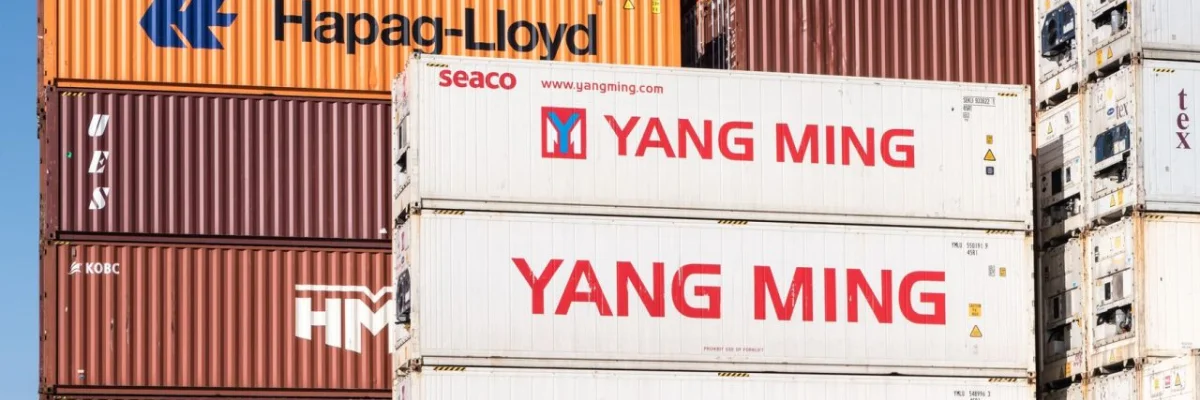
The global shipping landscape is changing rapidly as digital transformation becomes the standard for efficient supply chain management. Freight forwarders are increasingly tasked with managing complex shipments while maintaining high levels of transparency for their clients. Adapting to this new environment requires a proactive approach toward technology adoption and operational streamlining. By leveraging cloud-based platforms and data-driven insights, forwarders can eliminate manual bottlenecks and focus on high-value tasks. This article explores essential strategies for enhancing your service offerings and driving sustainable growth in an era where speed and precision are the primary drivers of long-term business success.
Optimizing Shipment Tracking Visibility
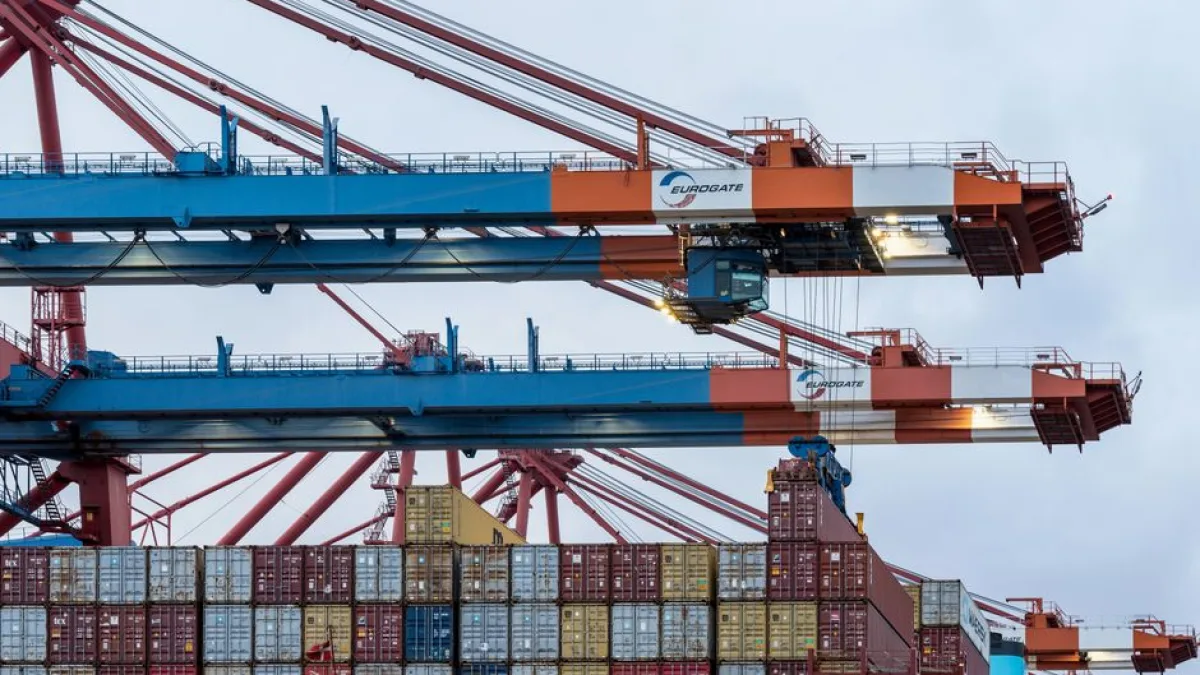
Real-time visibility serves as the backbone of modern freight operations, allowing forwarders to proactively manage transit status updates. When clients can track their cargo across various transit points, uncertainty is reduced, and overall trust in your service improves significantly.
- Automated status updates: Implement digital systems that push notifications to clients automatically whenever a shipment changes status at a port or hub to reduce constant manual customer inquiries.
- Centralized data access: Maintain a single source of truth within your cloud platform so that every team member views the exact same tracking information for every shipment.
- Proactive delay alerts: Configure your software to trigger alerts when cargo exceeds expected transit times, allowing your team to inform stakeholders before a major issue occurs.
- Integration with carriers: Connect your tracking dashboard directly to major ocean and air carrier APIs to ensure you receive the most accurate data without manual entry.
- Customer portal access: Provide your clients with a secure login to view their current shipments, which empowers them while freeing your staff from answering repetitive status requests.
By prioritizing visibility, you distinguish your firm in a competitive market while reducing the heavy administrative burden on your logistics coordinators. Customers now expect instant information, and failing to provide it can result in lost accounts. Embrace these digital tools to transform how you handle communications and see how your operational efficiency improves when your team has more time for complex planning.
Streamlining Documentation Workflows

Managing heavy documentation loads is often the biggest cause of friction in the freight forwarding industry. Digitizing these processes reduces the potential for human error while ensuring that customs compliance remains consistent throughout the lifecycle of every international movement.
- Cloud document storage: Migrate all paper-based shipping documents to a secure cloud server that allows for instant retrieval, version control, and seamless collaboration between international branch offices.
- Automated form generation: Utilize software features that automatically pull shipment data into required customs forms to minimize redundant typing and prevent common spelling or numerical errors.
- Electronic signature integration: Adopt e-signature solutions to bypass the need for physical printing and scanning, which drastically accelerates the turnaround time for essential legal shipping contracts.
- Centralized audit trails: Keep a complete log of every document change made during the shipping process, which simplifies compliance reporting and protects your agency during external audits.
- Secure document sharing: Implement secure portals to share sensitive financial or customs documents with partners and agents, ensuring that data privacy standards remain high at all times.
Optimizing your documentation flow saves hours of manual work every week and reduces the risk of costly customs delays. When your documentation is digitized and organized, your team can focus on solving logistical challenges instead of hunting for misplaced files. Invest in robust filing systems today to ensure your agency stays organized, compliant, and ready to handle high shipment volumes effectively.
Enhancing Partner Communication Channels

Effective collaboration with overseas agents and local carriers is essential for seamless logistics. Without clear communication protocols, cargo often sits idle at transfer points, leading to added storage fees and unhappy clients. Standardizing these interactions keeps everyone aligned throughout transport.
- Standardized messaging templates: Create clear templates for inquiries and status updates to ensure that your international partners understand exactly what information you need for every shipment.
- Collaboration via software: Shift team conversations from scattered email threads into a centralized platform where all discussions are linked directly to the specific cargo file history.
- Regular performance reviews: Analyze the response times and reliability of your agent network on a monthly basis to identify which partners contribute to your overall success.
- Shared project milestones: Define clear objectives for each leg of the journey with your partners so that everyone understands their responsibilities during the multi-modal transit process.
- Multi-language support tools: Integrate translation tools within your communication platform to break down language barriers with overseas agents and ensure that instructions are clearly understood everywhere.
Refining how you interact with your partners will yield faster response times and fewer errors during the transit process. When communication is streamlined, you can resolve potential issues before they escalate into expensive claims. Maintain strong relationships by providing clear instructions and leveraging software that keeps your logistics chain connected from the point of origin to the final destination point.
Leveraging Data for Strategic Decisions

Transforming your operational data into actionable insights is the ultimate goal for any growing freight forwarding business. By analyzing performance trends, you can identify hidden profit margins and optimize your routing strategies for better results for both you and your loyal shipping customers.
- Performance KPI dashboards: Use built-in analytics tools to visualize key performance indicators like on-time delivery percentages and average cost per container to measure your company growth.
- Cost analysis reporting: Examine your spending habits on carrier rates and surcharges to determine where you can negotiate better contracts for your high-volume shipping routes annually.
- Trend forecasting tools: Analyze historical data to predict peak shipping seasons, allowing you to prepare your staff and partner capacity before the market demand spikes higher.
- Profitability per client: Review financial reports to understand which accounts generate the best margins, helping you decide where to focus your future marketing and sales efforts.
- Operational bottleneck detection: Track the time spent on specific tasks to reveal where your team is losing productivity, enabling you to refine internal processes for efficiency.
Data-driven decisions allow you to move away from guesswork and start building a more profitable business model. With a clear view of your operational performance, you can make informed choices about your service offerings and future investments. Start tracking your key metrics today to ensure that your forwarding business is not only surviving in the current market but actually thriving long-term.
Conclusion

Success in modern freight forwarding relies on the integration of digital tools and refined operational processes. By prioritizing visibility, simplifying documentation, improving communication, and utilizing data analytics, your firm will gain a significant competitive edge in the logistics market. Start implementing these best practices today to streamline your workflows, impress your clients, and secure your place as a leader in global supply chain solutions.